
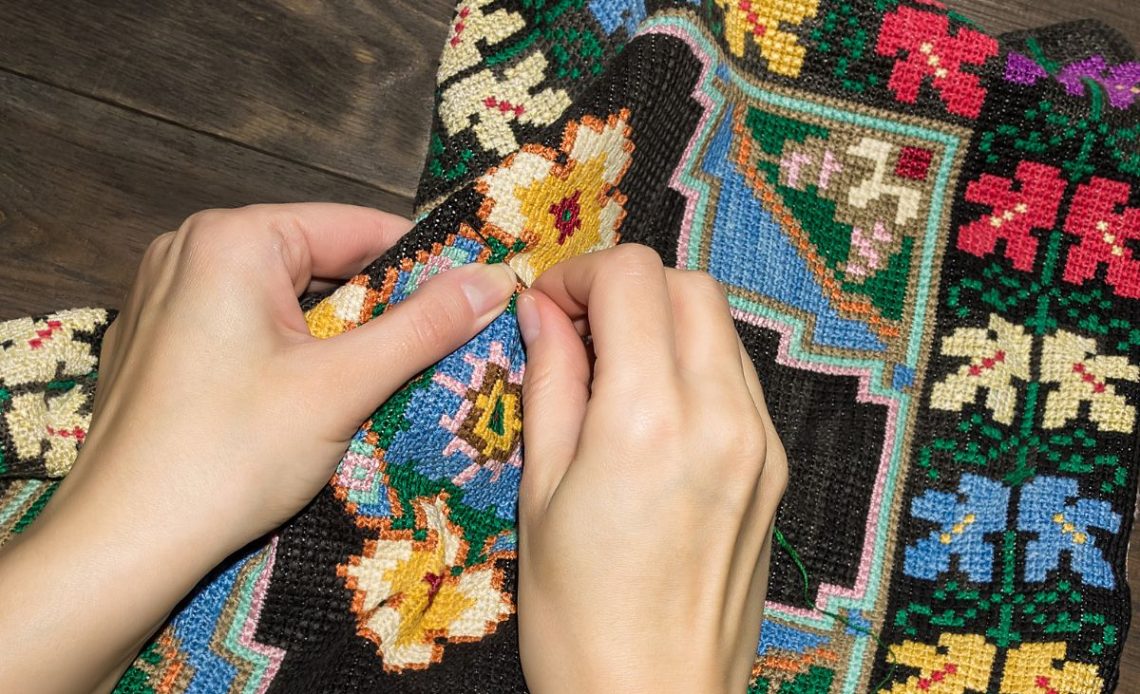
Embroidery is a process that involves real decisions: digitizing your logo, matching thread colors, choosing hoop size, selecting the right item for the application. These decisions are easier to make well when you can communicate directly with the shop handling them.
With a national embroidery platform, you submit a file and receive finished product. If the digitized design doesn’t look right — a common occurrence with first-time orders — the resolution happens through a ticket system rather than a five-minute phone conversation. For businesses ordering embroidered uniforms on a deadline, that lag matters.
A local shop also lets you see samples before you commit. Evaluating embroidery quality in person — checking stitch density, color accuracy, coverage on different fabrics — is much more informative than judging from product photos on a website.
Questions to Ask When Evaluating a Local Embroidery Shop
Do you digitize in-house or outsource? In-house digitizing gives the shop more control over quality and turnaround time. Outsourced digitizing adds a step and a potential delay.
What is the digitizing fee and does it carry over to future orders? Most shops charge a one-time digitizing fee per design ($15-50 depending on complexity). Once the file is in their system, future orders using the same design have no additional digitizing cost. A shop that charges digitizing on every order is either poorly structured or unclear about their own process.
Can you show me samples on different fabrics? Embroidery looks and behaves differently on structured caps vs. polo shirts vs. canvas bags. A shop with a range of samples demonstrates experience across applications.
What’s the minimum order quantity? Many embroidery shops have minimums of 12-24 pieces because the setup time per order is significant. Shops with no minimums give you the option to order a sample piece before a full run.
What Embroidery Works Well On
Embroidery performs best on items that can hold a hoop flat without distorting. Structured caps, polo shirts, Oxford shirts, woven jackets, canvas tote bags, and workwear are the natural home of embroidery.
Thin, stretchy fabrics — lightweight jersey tees, athletic performance fabrics — are more challenging because hoop tension can pucker the fabric around the design. Not impossible, but less reliable for clean results.
Logos with clean lines, limited colors (under 10 thread colors), and solid shapes reproduce best. Fine detail, photographic artwork, and thin lines at small scale are difficult to replicate accurately in thread.
Turnaround Expectations
For a new logo that hasn’t been digitized before, expect 24-48 hours for the digitizing step at most shops. Once the design is in the system, production turnaround on the physical pieces depends on the shop’s queue.
Rush orders are possible at most full-service embroidery shops, often for a premium. If your order is time-sensitive, communicate that upfront and confirm the shop’s capacity before assuming rush production is available.
Shops like DTF Dallas offering custom embroidery near me for DFW customers handle digitizing and production in-house, which means faster turnaround and direct communication on order details throughout the process.
Finding the right local embroidery shop is about matching your specific order — blank type, design complexity, quantity, timeline — to a shop that has the equipment and experience to handle it well. Ask the right questions before you order, and you’ll have a clear picture of whether a shop is the right fit.
