
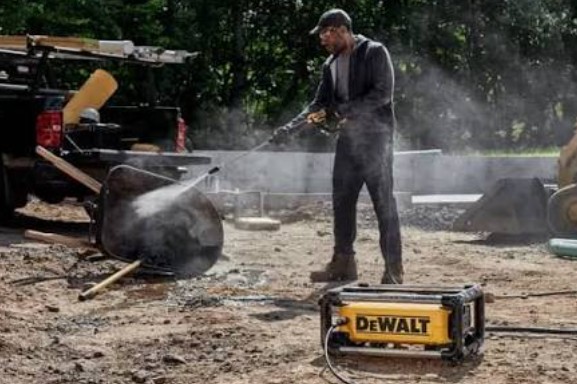
Outdoor cleaning rarely involves a single pass with a pressure washer. A driveway may need loose debris removed, embedded dirt loosened, detergent applied, and residue rinsed away. Decks, patio furniture, garden equipment, and vehicles often require similarly staged approaches, with different pressure levels and cleaning methods at each step.
A battery power washer can simplify these projects by reducing dependence on extension cords and, depending on the model, fixed electrical outlets. However, its effectiveness depends on more than battery capacity. Water supply, flow rate, surface conditions, detergent dwell time, and the sequence of cleaning tasks all influence the final result. Understanding these variables helps homeowners plan realistic workloads and avoid interruptions halfway through a job.
Why Multi-Stage Cleaning Requires More Than Adequate Pressure
Pressure washing works best when each stage prepares the surface for the next. Applying maximum pressure immediately is rarely the most efficient approach, particularly when cleaning painted surfaces, wood, outdoor furniture, or vehicles.
A typical project includes four stages:
- Preparation: Remove loose leaves, dust, sand, and other debris.
- Pre-treatment: Apply a suitable cleaning solution when needed.
- Mechanical cleaning: Use an appropriate spray pattern and pressure to loosen remaining contamination.
- Final rinsing: Remove detergent and suspended dirt before the surface dries.
Each stage places different demands on the equipment. Preparation may require minimal water, while rinsing a large driveway can consume considerably more. A washer that performs well during short cleaning bursts may struggle to maintain the same pace across an extended sequence.
How a Battery Power Washer Fits Into a Multi-Stage Workflow
A cordless washer is particularly useful when the work area is spread across several locations or when access to mains electricity is inconvenient. Moving between a patio, garden path, outdoor seating area, and vehicle becomes easier without managing a power cord.
For homeowners comparing equipment, reviewing different battery power washer configurations alongside other pressure-washing options can help clarify which setup suits the intended workload.
Performance still depends on the individual model. Some cordless units prioritize portability and moderate cleaning tasks, while other pressure washers deliver greater sustained output for demanding jobs. Battery-powered equipment should therefore be evaluated according to its rated pressure, water flow, compatible water source, and expected operating time rather than its power source alone.
What Battery Runtime Really Means During Extended Cleaning
Battery runtime is often treated as a single number, but real projects rarely involve uninterrupted spraying. Operators stop to change nozzles, reposition hoses, apply detergent, inspect results, and move equipment.
These pauses can make a multi-stage job more manageable, although they do not guarantee that a battery will last through the entire project.
Actual runtime varies with battery capacity, operating mode, pump demand, temperature, battery condition, and the specific washer design. Higher-output settings generally place greater demands on the power system.
For planning purposes, divide the job into manageable sections and estimate active spraying time separately from setup and waiting periods. If the manufacturer provides runtime estimates, use them as a starting point rather than a guarantee.
A spare compatible battery may help where supported, but charging time and battery compatibility should be checked before scheduling a long session.
How Water Flow and Surface Conditions Affect Cleaning Results
Pressure, measured in pounds per square inch (PSI), describes the force of the water stream. Flow rate, measured in gallons per minute (GPM), indicates how much water the washer delivers over time. Both matter, but they serve different purposes.
Higher pressure can help dislodge stubborn contamination, while adequate flow supports rinsing and moving loosened dirt away. A compact cordless washer may be sufficient for light soil and small surfaces without matching the productivity of a larger, higher-flow machine.
Surface condition also changes the equation. Fresh dust on patio furniture usually requires less effort than compacted soil on concrete. Algae, greasy residue, and dried mud may need pre-treatment or repeated passes rather than simply increasing pressure.
Always follow the equipment manufacturer’s instructions and begin with a less aggressive setting when the surface is unfamiliar.
Choosing the Right Cleaning Sequence for Different Outdoor Surfaces
A well-planned sequence reduces unnecessary battery use and prevents clean areas from becoming dirty again.
For a driveway, remove loose debris first, pre-treat suitable stained areas, clean systematically in sections, and finish with a thorough rinse. Working downhill where practical helps manage runoff.
For patio furniture, begin with a gentle rinse, apply a material-compatible cleaner if needed, and use a suitable low-pressure spray to remove residue. Check seams, cushions, and manufacturer care instructions before introducing water.
For vehicles, rinse loose grit away before washing to reduce the risk of scratching the finish. Use automotive-approved cleaning products and a suitable spray setting rather than directing a concentrated jet at paint, seals, or electrical components.
When several surfaces need attention, clean the dirtiest areas first and avoid directing contaminated runoff toward freshly cleaned sections.
When a Battery Washer Makes Sense Compared With a Corded or Gas Model
The right equipment depends on the scale of the project, not simply the advertised pressure rating.
| Consideration | Battery-powered washer | Corded electric washer | Gas-powered washer |
| Mobility | High; no power cord | Limited by cord and outlet access | High within hose and equipment limits |
| Setup | Often straightforward | Requires suitable electrical access | Usually involves more setup and maintenance |
| Typical strengths | Smaller jobs and scattered cleaning areas | Regular residential cleaning with available power | Demanding jobs requiring sustained output |
| Main limitation | Battery runtime and model-specific output | Cord management and electrical access | Noise, exhaust, fuel, and maintenance |
For a few patio sections, garden tools, and outdoor chairs, portability may be more valuable than maximum cleaning capacity. For extensive concrete surfaces or frequent heavy-duty work, a higher-output model may be more practical.
Compare rated PSI and GPM, available accessories, battery compatibility, and water-supply requirements before deciding.
Practical Ways to Get More Work Done Before the Battery Needs Recharging
Efficient preparation can improve productivity without pushing the equipment beyond its intended use.
- Group tasks by cleaning method. Complete similar rinsing or washing stages together to reduce repeated setup.
- Sweep before spraying. Removing loose debris reduces the amount of material that must be moved with water.
- Pre-treat appropriate stains. Use a compatible detergent according to its label, allowing the recommended dwell time without letting it dry.
- Use the correct nozzle. Match the spray pattern and pressure to the surface and follow the manufacturer’s guidance.
- Work in defined sections. Finish one manageable area before moving to the next, keeping track of battery consumption.
- Inspect the water supply. Confirm that the source provides the flow and connection required by the washer.
- Maintain the battery properly. Follow charging, storage, temperature, and inspection instructions supplied by the manufacturer.
These steps help reduce wasted spraying and make it easier to judge whether the available battery capacity matches the workload.
Common Mistakes That Reduce Efficiency or Damage Surfaces
One frequent mistake is assuming that greater pressure automatically produces better results. Concentrated jets can damage wood fibers, strip coatings, force water behind siding, or harm delicate components.
Another is applying detergent without checking whether it is suitable for the surface or washer. Incorrect products can leave residue or damage finishes, while excessive dwell time may allow cleaners to dry before rinsing.
Operators also underestimate water consumption. A washer may have sufficient battery capacity but still be impractical if its water source cannot support the required flow.
Finally, avoid planning a large project around an ideal runtime figure without allowing for difficult stains, repositioning, and rework. A short test area provides a more useful indication of actual cleaning speed.
Frequently Asked Questions About Battery Power Washers
Can a battery power washer handle several cleaning tasks in one session?
Yes, provided the model’s output, battery capacity, and water supply match the workload. Smaller jobs across multiple locations are often well suited to cordless equipment, while extensive or heavily soiled surfaces may require a more powerful washer.
How can I estimate battery requirements before starting?
Estimate active spraying time for each stage, then compare the total with the manufacturer’s runtime guidance under similar operating conditions. Allow additional capacity for difficult areas and unexpected delays.
Is higher PSI always better for outdoor cleaning?
No. Pressure must suit the material and contamination. Flow rate, detergent, spray pattern, and technique also influence results. Start conservatively and follow the surface and equipment manufacturer’s recommendations.
Can a battery washer use a bucket or rainwater tank?
Some models support alternative water sources, but others require specific inlet arrangements or minimum water-supply conditions. Check the owner’s manual before using a bucket, tank, or collected rainwater.
Better Project Planning Produces More Consistent Cleaning Results
Battery-powered pressure washing is most effective when equipment capability and task sequence are considered together. Portability can make scattered outdoor jobs easier to organize, but battery capacity alone does not determine productivity.
By matching the washer to the surface, preparing areas before spraying, using suitable cleaning solutions, and accounting for water flow and runtime, homeowners can achieve more consistent results with fewer interruptions. The most effective setup is the one that handles the entire workflow safely and reliably not merely the one with the highest advertised pressure.
