
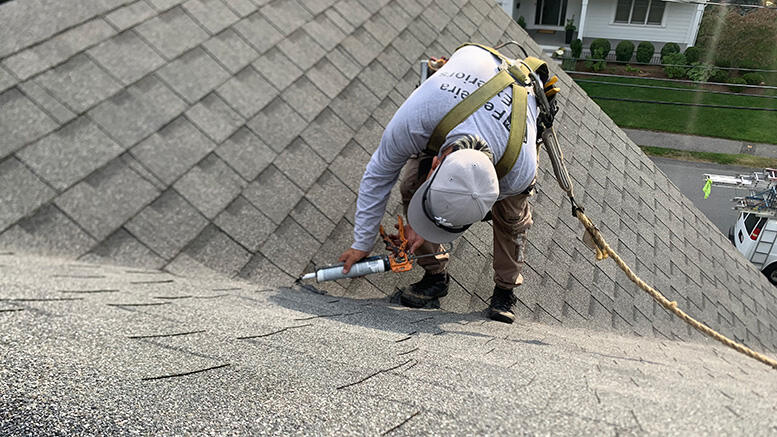
Spring has a funny way of making us want to scrub every baseboard and organize the garage, but we often forget to look up. While you are busy airing out the house and planting petunias, your roof is sitting there after a long winter of heavy snow and freezing rain. It is the perfect time to bring in a professional roof repair mountain green inspector to check things out before the summer storms hit. Taking a moment to focus on the spots where your roof meets the rest of your house can save you a massive headache down the road. Most people think about shingles or gutters, but the real trouble usually starts at the access points.
The Sneaky Danger of Skylights
Skylights are amazing for letting in that natural spring sunshine, but they are also notorious for developing leaks. The seals around the glass tend to shrink and expand as the temperature changes throughout the year. Over a few seasons, those seals can get brittle and crack.
If you do not catch a failing skylight seal early, you might not notice the problem until you see a water stain on your ceiling. By then, the wood framing around the window might already be starting to rot. Checking these during your spring maintenance means you can reseal them while the weather is mild and dry.
Vents and Pipes Need Love Too
Every house has pipes poking through the roof for plumbing or attic ventilation. These pipes are usually wrapped in a rubber boot or flashing to keep water out. The sun is actually quite brutal on these rubber components. After a few years, the rubber can dry out and split, creating a direct path for rainwater to slide right into your attic.
It is easy to overlook a small crack in a vent boot, but even a tiny drip can lead to mold growth in your insulation. Checking these access points every spring ensures that a ten-dollar piece of rubber does not turn into a thousand-dollar interior repair job.
Chimneys and Flashing Issues
Chimneys are another major access point that requires a close eye. The metal flashing that connects the chimney to the roof tiles is a common spot for failure. As the house settles and the seasons change, this metal can pull away, or the caulking can fail.
When you inspect the chimney area, you are looking for any gaps where water could seep behind the metal. It is also a good time to make sure no critters have decided to make a nest in your chimney cap over the winter. Birds and squirrels love the warmth of a chimney, but their nests can cause ventilation issues or even fire hazards.
Attic Hatches and Energy Loss
While most roof access points are on the outside, do not forget about the hatch inside your house that leads to the attic. Spring is a great time to check the weather stripping around this door. If the seal is leaky, you are basically pumping your expensive air conditioning straight into the attic all summer long.
A quick check to ensure the hatch closes tightly and has proper insulation on top can make a big difference in your monthly power bill. It is one of those small DIY tasks that pays for itself almost immediately.
Why Timing Matters in Spring
The reason spring is the golden window for this work is simple. The weather is finally warm enough for sealants to cure properly, but it is not yet so hot that being on a roof is dangerous or exhausting. If you wait until the middle of July, you are dealing with blistering heat that can make shingles soft and easily damaged.
Doing these inspections now also beats the rush. Once the first major summer thunderstorm rolls through, every roofing company in town is going to be booked solid with emergency calls. Getting ahead of the curve lets you fix small issues on your own timeline.
Final Word
Taking care of your home is a year-round job, but focusing on these specific entry points during the spring will give you peace of mind for the rest of the year. If you find something that looks a bit too complicated for a ladder and a tube of caulk, do not hesitate to call a roof repair mountain green inspector to give the structure a professional once-over. Keeping the water out is the best way to protect your investment and keep your family comfortable. Always remember that a little bit of prevention today is much better than a major restoration tomorrow.
