
A backyard pool is one of the biggest perks of living in Pompano Beach. Warm weather runs almost year round, so the pool gets used constantly, from early morning laps to late night swims with friends. That kind of daily use puts real wear on a pool’s plumbing, plaster, and equipment. Over time, small cracks and worn fittings develop, and water starts finding its way out. If a homeowner does not catch that early, the cost adds up fast, both in water bills and in structural repairs.
Pool leak detection is not a luxury service reserved for emergencies. It is a routine part of pool ownership in South Florida, where the combination of sandy soil, high water tables, and heavy seasonal rain creates conditions that make leaks more likely and harder to spot. Understanding why leak detection matters, and what signs to watch for, helps homeowners protect their investment before a small problem turns into a major one.
The Hidden Cost of Ignoring a Leak
Every pool loses some water to evaporation, especially during Pompano Beach’s hot, humid summers. That is normal and expected. The problem starts when water loss goes beyond what evaporation alone can explain. A pool that is quietly leaking can drain thousands of gallons over the course of a few months without an obvious sign of trouble on the surface.
That lost water carries a real financial cost. Every gallon that leaks out is a gallon a homeowner has to pay to replace, along with the chemicals needed to keep the new water balanced. Chlorine, algaecide, and pH adjusters all get diluted or lost when a pool keeps refilling itself. Homeowners who do not realize they have a leak often end up buying chemicals more frequently and wondering why their pool never seems to stay balanced.
The bigger risk is what happens underground. Pompano Beach sits on sandy soil over limestone bedrock, the same geology responsible for sinkhole activity throughout Broward County. When pool water leaks into the ground around the shell or the plumbing lines, it can erode the soil beneath the pool deck, the equipment pad, or even the foundation of the home. What starts as a small plumbing leak can eventually lead to a sunken deck, a cracked pool shell, or costly foundation repairs. Catching a leak early avoids that entire chain of expensive problems.
Signs a Pompano Beach Pool May Be Leaking
Homeowners do not need special training to notice the early warning signs of a leak. A few consistent habits make it much easier to catch a problem before it grows.
- The water level drops more than a quarter inch per day, well beyond what evaporation would explain in Pompano Beach’s climate.
- The water bill jumps noticeably without a clear reason, such as extra irrigation or guests staying over.
- Chemical levels swing unpredictably even though the pool gets tested and treated on a normal schedule.
- Air bubbles come out of the return jets, which often points to a leak in a suction line.
- The pump loses prime more often than it used to.
- Cracks appear in the pool shell, tile, or coping, or tiles start to separate from the wall.
- The grass or soil around the pool deck stays soggy even when it has not rained, or the deck develops a soft or sunken spot.
- Algae keeps returning quickly after treatment, since diluted water makes it harder for chlorine to do its job.
Any one of these signs on its own might not mean much, but a homeowner who notices two or three at once should treat it as a strong signal that something needs a closer look.
A Simple First Step: The Bucket Test
Before calling in a professional, homeowners can do a basic bucket test to get a sense of whether a leak is real. Fill a bucket with pool water and set it on a step in the shallow end, so the water level inside the bucket matches the level of the pool. Mark both levels with tape or a marker, then check them again after 24 hours.
If the pool’s water level has dropped noticeably more than the level inside the bucket, that difference points to a leak rather than ordinary evaporation, since both the bucket and the pool are losing water to the same weather conditions. This test will not tell a homeowner exactly where the leak is, but it is a useful way to confirm that a leak likely exists before investing in professional detection services.
Why Professional Detection Makes Sense
Once a leak is suspected, tracking down the exact source usually calls for professional equipment and experience. Leaks can hide underground, inside the plumbing lines, behind tile, or within the pool’s structural shell. Pinpointing the source without the right tools often means guesswork, and guesswork can lead to unnecessary digging or repairs that do not actually fix the problem.
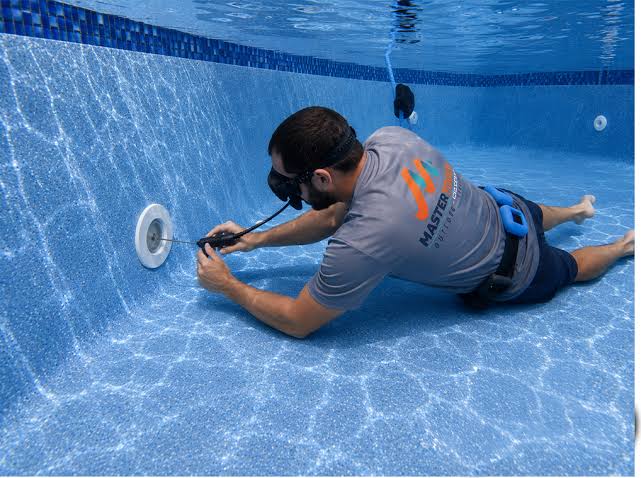
Professional pool leak detection in Pompano Beach typically combines a few techniques. Pressure testing isolates which section of plumbing is losing pressure. Electronic listening equipment picks up the sound of water escaping underground. Dye testing highlights leaks around fittings, lights, skimmers, and other visible fixtures. Together, these methods let a technician find the precise leak location, which keeps repairs targeted instead of turning into a full pool renovation.
This precision matters even more in Pompano Beach, where the sandy, porous soil makes it easy for a plumbing leak to go unnoticed at the surface for a long time. A technician who understands local soil and pool construction can often identify problem areas that a general inspection would miss.
Protecting a Long Term Investment
A pool is a significant investment, both in the upfront cost of building it and in the ongoing cost of maintaining it. Regular attention to leak detection protects that investment on every level. It keeps water and chemical costs predictable, prevents unnecessary strain on pumps and filtration equipment, and reduces the risk of the kind of underground erosion that leads to expensive structural repairs.
Pompano Beach homeowners who stay alert to the early signs, run a bucket test when something feels off, and bring in a professional at the first sign of a real leak put themselves in the best position to keep their pool running smoothly for years to come. A little vigilance now is far cheaper than a major repair later.
