
Understanding the Integrated Building Envelope System
Our homes are far more than just structures; they are our personal sanctuaries, providing comfort and safety from the elements. But what truly protects this sanctuary? It’s the roof and the entire exterior of your home. These crucial components form the primary defense against weather, pests, and the inevitable wear of time.
Ignoring the upkeep of your roof, siding, gutters, and other exterior elements can lead to significant problems. This includes expensive damage, reduced energy efficiency, and even serious structural issues over time. In September 2026, knowing the value of proactive maintenance and quick repairs is more important than ever.
In this comprehensive guide, we will delve into the integrated building envelope system. We will cover essential strategies for residential roofing and exterior repairs. We will also discuss how to choose professional contractors for these vital projects. We believe that investing in quality craftsmanship for your home’s exterior is a smart move for its long-term health and your peace of mind.
A home’s exterior is not a collection of isolated parts but an integrated system, often referred to as the “building envelope.” This system works in concert to protect the interior from moisture, temperature fluctuations, and environmental stressors. The roof, as the uppermost layer, is undoubtedly critical, but its effectiveness is deeply intertwined with other components like siding, soffits, fascia, and drainage systems.
At the core of the roof’s protection are the roof decking and underlayment. The decking, typically plywood or OSB, provides the structural base. Over this, a waterproof or water-resistant underlayment acts as a crucial secondary barrier, safeguarding against moisture penetration should the primary roofing material be compromised. This combination is vital for shedding water effectively.
Beyond the roof, moisture barriers behind siding materials prevent water from seeping into wall cavities, which could lead to rot, mold, and structural damage. Modern building codes often require advanced moisture management systems, including house wraps and flashing, to ensure comprehensive protection.
Siding defense is the vertical extension of the building envelope’s protection. Whether it’s vinyl, fiber cement, wood, or brick, siding shields the walls from direct rain, wind, and UV radiation. Its proper installation, including sealing and flashing around windows and doors, is paramount. Finally, drainage systems—primarily gutters and downspouts—are responsible for collecting rainwater from the roof and directing it away from the home’s foundation. Without an efficient drainage system, water can pool around the foundation, leading to erosion, basement leaks, and costly structural problems. Each element plays a non-negotiable role in maintaining the home’s structural integrity and interior comfort.
Attic Ventilation and Moisture Management
Often overlooked, attic ventilation is a cornerstone of a healthy and durable roofing system and overall building envelope. It’s not just about keeping the attic cool; it’s about maintaining a delicate airflow balance that significantly impacts the longevity of your roof and the energy efficiency of your home. Proper ventilation involves a continuous flow of air from intake vents (typically in the soffits) to exhaust vents (along the ridge or in gable ends).
This continuous airflow provides crucial thermal regulation. In warmer months, it expels superheated air from the attic, preventing it from radiating down into living spaces and reducing the workload on your air conditioning system. This translates directly to lower energy bills. In colder months, it helps maintain a temperature closer to the outside air, preventing ice dams from forming on the roof eaves, which can cause significant water damage.
Crucially, effective ventilation also prevents condensation prevention. Warm, moist air from the living spaces can rise into the attic. Without proper ventilation, this moisture condenses on cooler surfaces, like the underside of the roof deck. This can lead to mold mitigation concerns, as mold thrives in damp, enclosed environments. Mold not only poses health risks but can also degrade wooden components of the roof structure. Furthermore, excessive moisture can lead to rot in the roof decking and rafters, compromising structural integrity. By ensuring adequate attic ventilation, homeowners can significantly enhance their home’s energy efficiency and protect their roofing system from premature deterioration, extending its lifespan and avoiding expensive repairs.
Siding, Gutters, and Peripheral Water Diversion
While the roof takes center stage in overhead protection, the surrounding exterior components are equally vital for comprehensive defense against the elements. Fascia boards and soffit integrity are critical. Fascia boards are the long, straight boards that run along the lower edge of the roof, directly supporting the gutters. Soffits are the finished underside of the eaves, bridging the gap between the siding and the roof’s edge. Both protect the rafter tails from moisture and pests. Damaged fascia or soffits can lead to water infiltration into the attic or wall cavities, creating pathways for insects and rodents.
Effective runoff management is primarily handled by the gutter system. Properly installed and maintained gutters collect rainwater and direct it through downspouts safely away from the home. When gutters are clogged, damaged, or improperly sloped, water can overflow, cascading down the siding, eroding landscaping, and saturating the soil around the foundation. This leads to critical foundation defense issues. Excess moisture near the foundation can cause hydrostatic pressure, leading to cracks in the foundation walls, basement leaks, and even structural settlement over time.
Beyond gutters, the choice and condition of your siding are paramount. Different materials offer varying levels of durability, aesthetic appeal, and maintenance requirements. Understanding these differences can help homeowners make informed decisions for repairs or replacements.
Here’s a comparison of common siding materials and their general lifespans:
Siding Material Typical Lifespan (Years) Key Characteristics Vinyl Siding 20-40 Low maintenance, wide color selection, susceptible to cracking in extreme cold or heat, can fade. Fiber Cement Siding 50+ Durable, fire-resistant, pest-resistant, mimics wood or stone, requires painting, heavier than vinyl. Wood Siding 20-40 (with maintenance) Natural aesthetic, can be painted or stained, susceptible to rot, pests, and fire; requires regular maintenance. Brick Veneer 100+ Extremely durable, low maintenance, excellent insulation, high initial cost, limited color/style options. Stucco 50-80 Versatile, durable, good insulation, prone to cracking if not properly installed or maintained, can absorb moisture. Metal Siding 40-70 Durable, fire-resistant, recyclable, can dent, can be noisy during rain, available in various finishes. Ensuring the integrity of your siding, fascia, soffits, and gutters is as crucial as maintaining your roof. Together, they form a robust shield that protects your home from the ground up, preventing costly damage and preserving its value.
Essential Strategies for Residential Roofing and Exterior Repairs
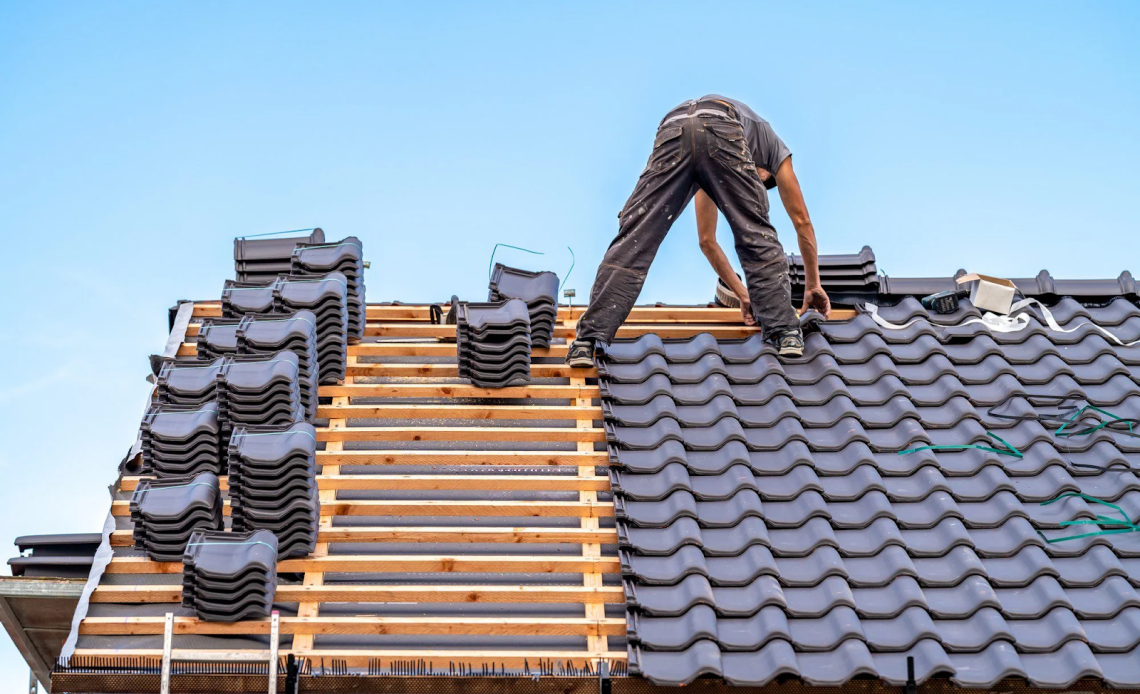
When it comes to maintaining the integrity of your home, proactive and informed repair strategies are key. The type of roofing material often dictates the approach to repairs. For instance, homes with architectural shingles benefit from their layered design, which offers enhanced durability and a distinctive aesthetic. Repairs typically involve carefully removing and replacing damaged shingles, ensuring proper sealing to prevent leaks. For flat or low-slope roofs, membrane roofing materials like TPO, EPDM, or PVC require specialized techniques, often involving patching or heat-welding new sections to the existing membrane to maintain a watertight seal.
Beyond the main roofing material, flashing repairs are among the most critical aspects of preventing water intrusion. Flashing, typically made of metal, is installed around chimneys, skylights, vents, and valleys where the roof planes meet. It directs water away from vulnerable areas. Deteriorated or improperly installed flashing is a common source of leaks, and its repair or replacement requires precision to ensure a lasting seal.
Effective exterior maintenance extends beyond the roof to all components of the building envelope. This includes regularly inspecting siding for cracks, warping, or loose panels; checking caulk around windows and doors for degradation; and ensuring that gutters and downspouts are clear and securely fastened. Addressing these issues promptly prevents minor problems from escalating into significant damage. For all these complex and interconnected tasks, the importance of professional expertise cannot be overstated. We believe that investing in quality craftsmanship for your home’s exterior is a smart move for its long-term health and your peace of mind, ensuring that repairs are not just temporary fixes but lasting solutions that protect your investment.
Assessing Storm Damage for Residential Roofing and Exterior Repairs
Storms can inflict significant damage on a home’s exterior, often in ways that aren’t immediately obvious. A thorough assessment is crucial after any severe weather event. Hail impacts are a common culprit, leaving behind dents or circular bruises on shingles, gutters, and siding. While some hail damage might appear cosmetic, it can compromise the protective granules on shingles, accelerating their deterioration and leading to premature roof failure.
Wind uplift is another major concern, especially with high winds. This can cause shingles to lift, crack, or even detach entirely, exposing the underlayment and decking to moisture. Strong winds can also propel debris, leading to punctures or tears in roofing materials and siding.
After a storm, a comprehensive inspection should include checking for loose or missing shingles, damaged flashing, and any signs of water intrusion in the attic. Leak detection can be challenging, as water often travels along rafters or through insulation before manifesting as a visible stain on the ceiling. Professional inspectors use various techniques, including moisture meters and thermal imaging, to pinpoint the source of leaks. In cases of severe damage, emergency tarping may be necessary to provide immediate protection against further water infiltration while permanent repairs are being arranged. Documenting all damage with photos and videos is essential for insurance claims and repair planning. Acting quickly to assess and address storm damage can prevent more extensive and costly problems down the line.
Budgeting and Planning Residential Roofing and Exterior Repairs
Embarking on residential roofing and exterior repairs requires careful budgeting and planning to ensure a smooth process and a successful outcome. The first step is obtaining a detailed cost estimation. This should encompass not just materials and labor, but also permits, debris removal, and any unforeseen repairs to the underlying structure. The cheapest option isn’t always the best; quality materials and experienced installers can prevent future headaches and expenses.
Defining the project scope is equally important. Are you replacing the entire roof, or just repairing a section? Is the siding being fully replaced, or are only specific panels being addressed? A clear understanding of what needs to be done will help contractors provide accurate bids and prevent scope creep. Timeline management is another critical aspect. Roofing and exterior projects are often weather-dependent, so factor in potential delays. Discuss project start and completion dates with your contractor and establish clear communication channels.
Consider the material lifespans when making choices. While a cheaper material might save money upfront, a more durable option with a longer lifespan could offer better value over decades. For instance, investing in high-quality, storm-resistant shingles might cost more initially but could save you from future storm damage repairs.
Here’s a list of key steps for planning your exterior repair project:
- Assess Damage Thoroughly: Get multiple professional opinions on the extent of damage.
- Prioritize Repairs: Determine which repairs are most urgent for structural integrity and weather protection.
- Obtain Multiple Bids: Compare quotes from several reputable contractors, ensuring they include similar scopes of work.
- Verify Credentials: Check licenses, insurance, and certifications of potential contractors.
- Review Contracts Carefully: Ensure all aspects of the project, including materials, timeline, payment schedule, and warranties, are clearly stated.
- Plan for Contingencies: Allocate a portion of your budget (e.g., 10-15%) for unexpected issues.
- Communicate Regularly: Maintain open lines of communication with your chosen contractor throughout the project.
By meticulously planning and budgeting, homeowners can navigate residential roofing and exterior repairs with confidence, ensuring their investment yields long-term protection and peace of mind.
Selecting Professional Contractors and Best Practices
Choosing the right contractor for your residential roofing and exterior repairs is paramount to the success and longevity of the project. It’s not just about finding someone to do the job, but about partnering with a company that adheres to best practices and prioritizes quality, safety, and customer satisfaction. A truly professional contractor will always emphasize jobsite safety, ensuring that their crew is properly trained and equipped, and that all necessary precautions are taken to protect both workers and your property. This includes using safety harnesses, securing ladders, and establishing clear work zones.
Beyond safety, consider the contractor’s approach to cleanliness and environmental responsibility. Many leading companies now implement practices like magnetic sweeping around the perimeter of the home to collect stray nails and metal debris, preventing potential hazards to family members and pets. Furthermore, responsible shingle recycling is becoming a standard practice, diverting old roofing materials from landfills and contributing to environmental sustainability. These details reflect a commitment to professionalism and respect for your property and the community.
When evaluating potential contractors, look for signs of a licensed and certified team. Certifications from manufacturers, like GAF Master Elite® or CertainTeed SELECT ShingleMaster™, indicate that a contractor has met rigorous standards for installation quality, product knowledge, and customer service. These certifications often come with the ability to offer enhanced warranties, providing you with greater peace of mind. Always verify a contractor’s licensing, insurance (liability and worker’s compensation), and references. A reputable contractor will be transparent about their credentials and happy to provide them.
Selecting a professional contractor means choosing expertise, reliability, and a commitment to delivering superior results. This decision will significantly impact the durability and performance of your home’s exterior, protecting your investment for years to come.
Comprehensive Inspections and Preventative Upkeep
The lifespan and performance of your residential roofing and exterior components are greatly enhanced by comprehensive inspections and preventative upkeep. Waiting for a problem to become obvious, like a leak or a visibly damaged siding panel, often means the issue has already caused underlying damage. Instead, adopting a routine maintenance schedule is a far more cost-effective and protective strategy.
Routine maintenance should ideally be performed annually, or at least bi-annually, preferably in the spring and fall. These seasonal audits allow for the early detection of potential issues before they escalate. For the roof, this means checking for loose, cracked, or missing shingles, examining flashing around penetrations, and ensuring gutters are clear of debris. For the exterior, it involves inspecting siding for cracks, rot, or pest activity, checking paint and caulk for deterioration, and ensuring proper drainage around the foundation.
Beyond visual checks, modern techniques like drone assessments are becoming increasingly popular. Drones can provide high-resolution images of hard-to-reach areas of the roof, identifying subtle damage that might be missed during a ground-level inspection. This technology offers a safer and more efficient way to conduct thorough roof evaluations.
Preventative upkeep also plays a crucial role in maintaining warranty compliance. Many roofing and siding manufacturers require regular maintenance and inspections to keep their warranties valid. Neglecting these can void your coverage, leaving you responsible for repair costs that would otherwise be covered. By investing in comprehensive inspections and consistent preventative upkeep, homeowners can significantly extend the life of their roofing and exterior systems, avoid costly emergency repairs, and ensure their home remains a safe and secure sanctuary for decades.
Frequently Asked Questions About Roofing and Home Exteriors
Homeowners often have many questions when considering repairs or replacements for their roofing and exterior components. Here, we address some of the most common inquiries to provide clarity and guidance.
What is included in a complete residential roof replacement?
A complete residential roof replacement is a comprehensive process designed to give your home a brand-new, durable roof system, not just new shingles. It typically begins with the tear-off process, where all existing roofing materials—shingles, underlayment, and old flashing—are removed down to the roof deck. This allows for a thorough decking evaluation. The underlying plywood or OSB sheathing is inspected for any signs of rot, water damage, or structural weakness, and necessary repairs or replacements are made to ensure a solid foundation for the new roof.
Following this, a new underlayment installation occurs. This protective layer, often synthetic felt or rubberized asphalt, provides an additional barrier against moisture, acting as a crucial secondary defense should the primary roofing material be compromised. Next, ridge ventilation and other attic ventilation components are installed or upgraded to ensure proper airflow, which is vital for roof longevity and energy efficiency. Finally, new shingles or other roofing materials are installed, along with perimeter flashing around chimneys, skylights, vents, and valleys. This flashing is critical for directing water away from vulnerable areas, ensuring a watertight seal across the entire roof system. The goal is a complete system that offers superior protection and peace of mind.
How does inadequate attic ventilation impact exterior building components?
Inadequate attic ventilation has far-reaching negative consequences that extend beyond just the attic space, impacting various exterior building components and the overall health of your home. One of the most immediate effects is heat accumulation in the attic during warmer months. This superheated air can cause shingle blistering, leading to premature aging and cracking of the roofing material. The intense heat also radiates downwards, making your living spaces warmer and forcing your air conditioning system to work harder, increasing energy consumption.
In colder climates, poor ventilation contributes significantly to ice damming. When warm air from the living space escapes into a poorly ventilated attic, it heats the roof deck, melting snow. This water then flows down to the colder eaves, where it refreezes, forming ice dams. These dams can force meltwater under shingles, leading to leaks, damaged gutters, and saturated wall cavities. Furthermore, the lack of airflow allows moisture to build up, leading to moisture rot in the roof decking, rafters, and fascia boards. This structural degradation can compromise the integrity of your roof. Finally, excess moisture can also lead to damp insulation, causing insulation breakdown and reducing its effectiveness, further exacerbating energy loss. A poorly ventilated attic creates a cascade of problems that undermine the durability and performance of your entire exterior.
What are the earliest warning signs that exterior cladding requires repair?
Recognizing the earliest warning signs that your exterior cladding, or siding, requires repair can save homeowners from more extensive and costly damage down the line. One common indicator is panel warping. This is often seen in vinyl siding, where panels may ripple, buckle, or pull away from the wall, usually due to improper installation, exposure to extreme heat, or moisture absorption. For wood siding, warping can indicate moisture damage or rot.
Another crucial sign is caulking degradation around windows, doors, and trim. Over time, caulk can dry out, crack, shrink, or pull away, creating gaps that allow water to penetrate behind the siding. This seemingly minor issue can lead to significant water damage, mold growth, and structural rot within the wall cavities. Moisture stains on the siding itself, or streaks running down from windows or eaves, are clear indicators of water intrusion. These stains suggest that water is not being properly shed or that there’s a leak point above.
Siding gaps, whether due to shrinking materials, loose fasteners, or impact damage, create direct pathways for moisture, pests, and air infiltration. These gaps compromise your home’s insulation and weather resistance. Lastly, any signs of pest infiltration, such as small holes, nests, or droppings around the siding, can indicate that insects or rodents have found entry points. Pests can cause significant damage to the siding material and the underlying structure. Addressing these early warning signs promptly is essential for maintaining the protective barrier of your home’s exterior.
Conclusion
Our homes are invaluable assets, and their protection begins with a robust exterior. The integrated system of roofing, siding, gutters, and proper ventilation acts as the first line of defense against the relentless forces of nature. By understanding the intricate connections within this building envelope, homeowners can appreciate the critical role each component plays in ensuring home longevity and structural integrity.
Investing in proactive maintenance and timely, high-quality repairs is not merely an expense; it’s an investment in your property’s future. It safeguards against costly emergency repairs, enhances property value, and ensures your home’s weather resilience for years to come. In September 2026, with evolving weather patterns, the importance of a well-maintained exterior cannot be overstated. By choosing professional contractors and adhering to best practices, you are actively protecting your most significant asset protection, ensuring your home remains a safe, comfortable, and valuable sanctuary for your family.
