
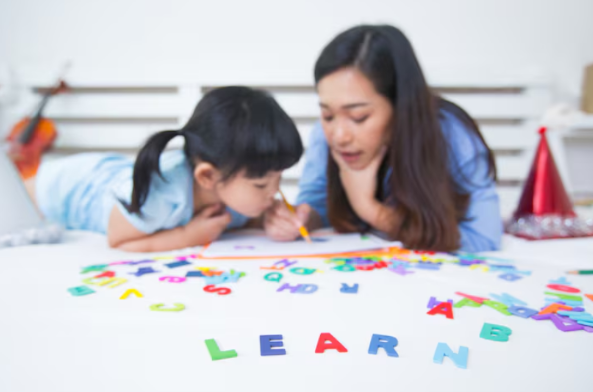
Learning English composition in Primary 3 is an important step in helping children become confident writers. At this stage, pupils move beyond writing simple sentences and begin creating complete stories, describing experiences, and expressing their ideas more clearly. Developing these skills early helps children communicate effectively while building confidence in both writing and reading.
Strong composition skills are developed through regular practice, guidance, and encouragement. With the right support from teachers and parents, children can improve their vocabulary, grammar, creativity, and organisation while learning to enjoy the writing process. If you are looking to strengthen your child’s writing abilities, explore our English composition for Primary 3 programme to build confidence and develop essential composition skills.
Writing Clear and Interesting Sentences
Strong composition begins with writing effective sentences. Primary 3 pupils learn how to combine ideas into complete sentences while avoiding repetition.
They are encouraged to use descriptive words that make their writing more colourful without becoming overly complicated. Learning to vary sentence openings and sentence lengths also makes compositions more enjoyable to read.
Correct punctuation, including full stops, commas, question marks, and speech marks, helps improve clarity and allows readers to understand the intended meaning more easily.
Practising sentence construction regularly helps children become more confident writers over time.
Using Grammar Correctly
Grammar provides the structure that allows writing to communicate ideas clearly. Primary 3 students continue developing their understanding of sentence structure, tenses, subject-verb agreement, pronouns, adjectives, adverbs, and conjunctions.
Rather than memorising rules alone, children benefit most from applying grammar naturally during their writing activities. Teachers often reinforce grammar through reading exercises, classroom discussions, and regular composition practice.
Strong grammar helps pupils produce writing that is both accurate and easy to understand while preparing them for more advanced writing in later years.
Planning Before Writing
Good compositions begin with careful planning. Before writing, pupils should spend a few minutes thinking about their ideas and organising them logically.
Simple planning methods such as mind maps, picture discussions, or short outlines help children decide what will happen in their stories before they begin writing. This reduces confusion and allows ideas to flow more naturally.
Planning also encourages children to include important details while avoiding unnecessary repetition or missing key parts of the story.
Developing good planning habits from an early stage makes writing more organised and enjoyable.
Developing Narrative Writing Skills
Story writing is one of the main composition activities in Primary 3. Children learn how to create interesting characters, realistic settings, and simple but engaging plots.
A good story usually begins by introducing the characters and setting before presenting a problem or challenge. The middle develops the events, while the ending provides a satisfying conclusion.
Encouraging pupils to include feelings, conversations, and actions makes stories more engaging and helps readers connect with the characters.
Reading storybooks regularly also exposes children to different storytelling techniques that they can apply in their own writing.
Improving Descriptive Writing
Descriptive writing teaches children how to paint pictures using words. Instead of simply stating facts, pupils learn to describe people, places, objects, and events using details that help readers imagine the scene.
Using the five senses encourages richer descriptions. Children can explain what characters see, hear, smell, taste, and feel, making their writing more vivid and realistic.
Simple comparisons, carefully chosen adjectives, and expressive verbs help create stronger descriptions while remaining suitable for Primary 3 writing.
Observation activities in classrooms or outdoor settings can also strengthen children’s descriptive abilities.
Learning Simple Expository Writing
Primary 3 pupils may also begin writing simple factual compositions that explain ideas or describe familiar topics.
These pieces help children organise information clearly while presenting facts in a logical order. Topics often include hobbies, school activities, favourite animals, healthy habits, or family traditions.
Writing factual compositions develops organisational skills while encouraging pupils to communicate information accurately and confidently.
Learning to explain ideas clearly also supports speaking and presentation skills.
Encouraging Creativity
Creativity is an important part of composition writing. Children should feel comfortable expressing their own ideas and exploring different storylines without worrying about finding a single correct answer.
Teachers often use picture prompts, interesting questions, or imaginative scenarios to encourage creative thinking. These activities allow children to develop original ideas while building confidence in their writing.
Allowing pupils to make creative choices helps them enjoy writing and discover their own writing style.
Confidence grows naturally when children feel proud of the stories they create.
The Value of Reading
Reading and writing support each other closely. Children who read regularly are exposed to different writing styles, sentence structures, vocabulary, and storytelling techniques.
Reading a variety of books introduces pupils to new ideas while helping them understand how experienced authors organise stories and develop characters.
Parents can encourage reading by providing access to age-appropriate books and setting aside regular reading time each day.
Discussing stories after reading also strengthens comprehension and encourages children to think more deeply about language.
Supporting Children at Home
Parents play an important role in helping children develop strong writing habits. Encouraging children to write regularly, even outside school, builds confidence through consistent practice.
Simple activities such as keeping a diary, writing short stories, describing family outings, or creating imaginative adventures make writing enjoyable rather than stressful.
Positive encouragement is especially important. Praising effort alongside improvement motivates children to continue developing their skills without becoming discouraged by mistakes.
Creating a quiet, comfortable place for reading and writing also helps children concentrate more effectively.
Providing Helpful Feedback
Constructive feedback helps children understand both their strengths and areas for improvement. Rather than focusing only on mistakes, teachers and parents should highlight successful ideas, interesting vocabulary, and creative storytelling.
Suggestions should be simple and encouraging. Correcting a few important areas during each composition is often more effective than overwhelming children with too many changes at once.
Allowing children to revise their work after receiving feedback also teaches them that good writing is developed through editing and improvement.
This process builds confidence while encouraging continuous learning.
Developing Good Writing Habits
Regular practice is the key to improving composition skills. Writing short compositions each week allows children to gradually strengthen their vocabulary, grammar, creativity, and organisation.
Children also benefit from reviewing their work before finishing. Checking spelling, punctuation, grammar, and sentence structure helps them develop greater attention to detail.
With consistent practice, writing becomes more natural and enjoyable, allowing children to express their ideas more confidently.
Small improvements made regularly often lead to significant progress over time.
Making Writing Enjoyable
Children learn best when they enjoy the learning process. Writing should be presented as an opportunity to share ideas, tell stories, and express creativity rather than simply complete classroom assignments.
Celebrating completed compositions, displaying children’s work, or allowing them to read their stories aloud can increase confidence and enthusiasm.
When children experience success through writing, they become more willing to experiment with new vocabulary, develop creative ideas, and challenge themselves with more advanced compositions.
Creating positive experiences helps build a lifelong appreciation for reading, writing, and communication.
Conclusion
Developing Primary 3 English composition skills requires patience, encouragement, and regular practice. By strengthening vocabulary, grammar, sentence construction, planning, creativity, and reading habits, children build a strong foundation that supports future learning.
With guidance from teachers and parents, pupils can become confident writers who communicate their ideas clearly and creatively. As their skills continue to grow, composition writing becomes not only an important academic ability but also an enjoyable way to express thoughts, imagination, and personal experiences.
