
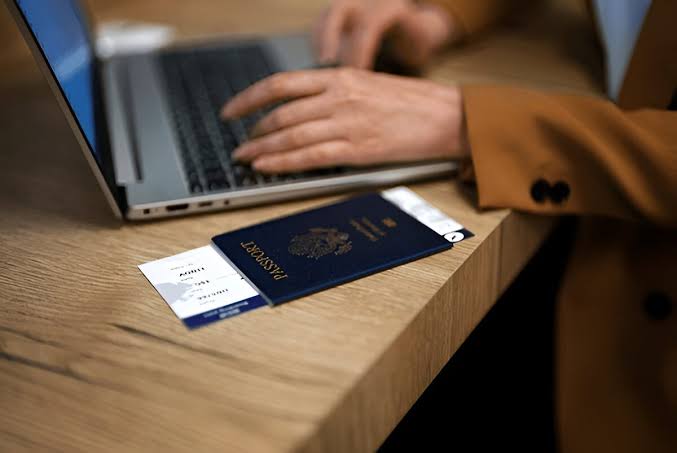
Florida is a state made for travel. Between cruise ports in Miami, Fort Lauderdale, Port Canaveral, and Tampa, major international airports, and the short hop to the Caribbean, Latin America, and beyond, plenty of residents find themselves thinking about a passport sooner or later. Maybe a family cruise is on the calendar, a destination wedding is coming up, or a work trip abroad just landed on your desk.
If you have never held a passport before, the process can feel more complicated than it should. There are forms, documents, photo rules, and fees to sort out, and a small mistake can cost you weeks. This guide walks through what first-time applicants in Florida need to know, from gathering paperwork to avoiding the errors that cause the most delays.
Why Florida Residents Should Not Wait
Passport demand tends to spike around spring break, summer vacation, and the winter holidays, and Florida’s travel culture makes those peaks feel even busier. Appointment slots at local acceptance facilities can fill up, and processing times can stretch when demand is high.
Another reason to apply early is that many trips require more lead time than people expect. International flights, cruises that stop in foreign ports, and visa-dependent destinations all work better when your passport is already in hand. Starting well before your departure date gives you breathing room if something goes wrong.
Who Needs to Apply in Person?
Most first-time applicants cannot simply mail in a form or apply online. The State Department generally requires an in-person application, using Form DS-11, in situations like these:
- You have never had a US passport before
- Your previous passport was issued when you were under 16
- Your previous passport was lost, stolen, or damaged beyond use
- Your most recent passport was issued more than 15 years ago
Children under 16 also apply in person, and both parents or guardians typically need to be involved, either by appearing together or by providing the required consent documentation. Renewal rules are different, so if you already hold a recent adult passport, you may qualify for a simpler process.
Step-by-Step: Your New US Passport Application
Here is how the process generally unfolds for a first-time adult applicant. Always confirm the latest requirements on the State Department website before you begin, since forms, fees, and procedures can change.
Step 1: Gather proof of US citizenship
You will need an original document showing you are a US citizen. Common examples include:
- A certified US birth certificate issued by the city, county, or state, listing your parents’ full names
- A previous, undamaged US passport
- A Certificate of Naturalization or Certificate of Citizenship
Hospital-issued certificates and souvenir copies are usually not accepted. If you were born in Florida and cannot find your birth certificate, you can request a certified copy from the state’s vital records office. Allow time for that request, since it can add days or weeks to your plan.
Step 2: Bring valid photo identification
You will also need a government-issued photo ID, such as a driver’s license. Florida driver’s licenses are widely accepted for this purpose. You will need to bring a photocopy of both the front and back of your ID, along with the original.
Step 3: Complete Form DS-11, but do not sign it yet
Fill out the application carefully, using black ink if you are completing a paper copy. The key detail is that you should not sign the form until you are in front of the acceptance agent. Signing early is one of the most common reasons applications get rejected at the counter.
Step 4: Get a compliant passport photo
Your photo must be recent and meet strict requirements. It should be a 2 by 2 inch color photo with a plain white or off-white background, a neutral expression, and no glasses. Photos that are blurry, edited, or taken with shadows can cause your application to be returned. Many pharmacies and shipping stores across Florida offer passport photo services, which is usually safer than a DIY attempt.
Step 5: Prepare your fees
Applications generally involve two separate payments. One goes to the US Department of State, and the other, known as an execution or acceptance fee, goes to the facility that processes your paperwork. Payment methods can differ by location, so check what your chosen facility accepts before you go. Current amounts are listed on the State Department website.
Step 6: Submit in person and track your application
Take your documents, photocopies, photo, form, and payment to an authorized acceptance facility. After submission, you can track your application status online. Your passport book and any supporting documents are typically returned by mail separately.
Where to Apply in Florida
Passport acceptance facilities are spread across the state, and they include many post offices, county clerk of court offices, public libraries, and some city or county government buildings. Availability and appointment policies vary by location, so it is worth checking a few options if your first choice is booked.
If you live in a larger metro area like Miami-Dade, Broward, Orange, or Hillsborough County, you will likely have several choices, but they can also be busier. Residents in smaller or more rural counties may have fewer options and should plan for a longer drive.
Getting Help With the Paperwork
Many first-timers feel unsure about whether they have the right documents or filled out the form correctly. If you want extra guidance, resources that walk you through a new US passport application can help you understand the requirements, organize your paperwork, and avoid the small errors that slow people down. Whichever route you choose, treat the official State Department instructions as the final word on rules and fees.
Processing Times and Expedited Options
Standard processing can take several weeks, and the timeline shifts depending on demand. If you are traveling soon, you can pay an additional fee for expedited service, and urgent travel situations may qualify for faster options in some circumstances.
Keep in mind that processing time does not include mailing time or the time it takes to get an appointment. Build in a buffer, especially if your trip involves nonrefundable flights or cruise fares. As a general rule, applying several months before departure is far safer than hoping for a last-minute miracle.
Common Mistakes That Delay Applications
Most rejected or delayed applications come down to a handful of avoidable issues:
- Signing the form too early. Wait until the acceptance agent tells you to sign.
- Bringing the wrong citizenship document. Hospital certificates and photocopies of a birth certificate will not work.
- Skipping photocopies. The facility needs copies of your citizenship document and ID, in addition to the originals.
- Using a noncompliant photo. Glasses, shadows, filters, or the wrong size can all trigger a rejection.
- Mismatched names. If your name has changed through marriage or court order, bring the legal documents that connect your names.
- Paying with the wrong method. Double-check the accepted payment types for both fees.
What About a Passport Card?
You may see the option to apply for a passport card along with, or instead of, a passport book. The card is cheaper and works for certain land and sea crossings between the US and Canada, Mexico, and the Caribbean, but it cannot be used for international air travel. For most Florida residents who might fly abroad, the passport book is the more flexible choice.
A Note on REAL ID
Florida residents sometimes confuse a REAL ID with a passport. A REAL ID-compliant driver’s license can be used for boarding domestic flights, but it does not replace a passport for international travel. If your plans include leaving the country, you will still need your passport.
How Long Does a Passport Last?
An adult passport is generally valid for 10 years, while passports issued to children under 16 are valid for 5 years. Many countries also require that your passport remain valid for at least six months beyond your travel dates, so check the entry rules for your destination well in advance.
The Bottom Line
Applying for your first passport takes some planning, but it does not have to be stressful. Collect your documents early, use a compliant photo, sign only when instructed, and give yourself plenty of time before your trip. For Florida residents, where cruises, flights, and international getaways are never far away, having a valid passport ready can turn spontaneous travel from a scramble into a pleasure.
Take it one step at a time, double-check the details on the official State Department site, and your first passport will be in your mailbox before you know it.
