
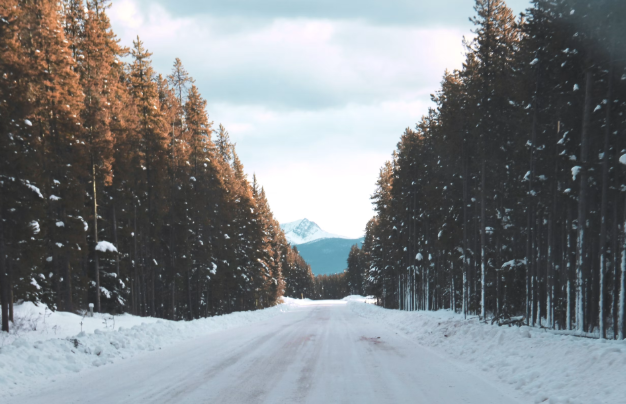
Ozark’s got a unique feeling to offer in the Autumn-Winter period. That transition from crisp, cold mornings to soggier, colder, more bracing mornings is one of those ‘things you love to hate’ about the area. Numb fingers, the smell of clear, cold rivers and damp white oak as you’re driving to work in the half-dark, and that smoky, grey quality the air takes on as the morning turns to afternoon – deep down, who really wants anything else?
But Autumn-Winter is also one of the worst times for your truck. The rain, freezing temperatures, wind, mud, grit on the roads and, perhaps worst of all, those freezing fogs are all major problems for your undercarriage, paintwork, truckbed, engine, and interior. And just about every other part you can think of.
You need to start planning ahead of time, but it’s possible to keep your truck protected through yet another winter on the roads. Luckily, right now is the best time to start getting prepared.
Here’s what you need to know.
What’s the difference between frost and freezing frost?
Frost is what happens when surface temperatures reach freezing temperature (32°F). A freeze, also known as a freezing frost, happens when the air itself also reaches that same 32°F temperature. Even when the ground is freezing, the air can still be a couple degrees above freezing, since hot air rises.
A regular frost is a lot less damaging than a freeze, which can quickly kill-off crops and bring outdoor work to a grinding halt.
Why is it bad for my truck?
When the air is below freezing, even the fluids in your truck – like your coolant – can freeze too, and other fluids like engine oil can thicken which causes a lot more wear and tear to the metal components under the hood, since that oil will move a lot slower when you start the ignition.
Freeze-thaw weathering can also impact the body of your truck. If you have any seemingly minor scratches or dings in the bodywork, moisture can get in and, when frozen, expand, creating an even bigger problem (one that’s a lot more prone to rust) than before.
Cold temperatures also drain your battery a lot faster, which is a big problem when the engine needs to work harder against thickened oil. Tires also lose pressure about 1-2 pounds per square inch (PSI) per 10°F, while the cold makes plastic and rubber more brittle and prone to cracking and breaking.
How can I protect my truck?
Your coolant and anti-freeze need to be at a near perfect 50:50 ratio – something you can check pretty easily with a hydrometer.
You should protect your paintwork, and particularly your truckbed, since that sees the most wear and tear. You can buy truck bed liner paint that also reduces the risk of slips and falls, alongside keeping the truck itself protected against scratching, UV damage, and rust.
Also, consider changing to a low-viscosity synthetic oil (like 0W-20 or 5W-30, depending on your manual). It’ll flow better in cold weather.
Throughout the winter, keep checking your tire pressure and cleaning any build-up off your battery. Also, avoid letting your fuel drop below around 50% – too much space means too much air, which will invite condensation in.
Finally, as much as possible, store your truck indoors or under cover. Even just a little shelter can protect it from those really biting temperatures, and make it a lot easier to start in the morning.
