
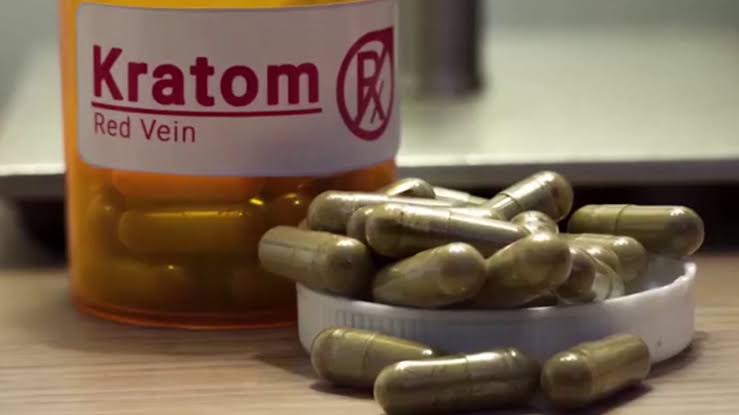
Walk into an independent smoke shop, wellness boutique, or specialty grocery anywhere from Jacksonville to Key West, and you’ll notice the same shift that’s been building across Florida’s botanical retail scene for the past few years: shelves that once held a scattering of loosely labeled powders now feature clearly branded product lines with visible lab documentation, batch numbers, and age-verification signage at the register. Florida has become one of the more active state markets for botanical products like kratom, and that growth has pulled quality standards up along with it.
A Regional Market With Its Own Character
Florida’s climate, tourism economy, and dense network of independent retailers make it a distinct market compared to other states. Coastal towns catering to visitors, inland communities with long-standing wellness cultures, and metro areas with dozens of competing specialty shops all create different pressures on suppliers. A shop in a beach town serving mostly tourists has different inventory needs than a shop in a college town or a shop serving a regular local customer base that shops weekly.
What ties the state together is that Florida retailers, more than in many other states, tend to compete on visible quality signals rather than price alone. Ask an owner of a longtime local shop why they switched suppliers in the last two years and the answer is rarely “cheaper.” It’s almost always about documentation, consistency, or a supplier that could actually explain where their product came from.
Sourcing Questions Local Retailers Are Asking
Independent shop owners across the state have gotten noticeably more specific in their vendor conversations. Instead of asking simply “what’s your price per kilo,” buyers are asking where the raw leaf originates, how it’s processed, whether batches are tested for contaminants before they’re ground into finished powder, and whether that testing documentation is something they can hand to a curious customer on the spot.
This is a meaningful change from a decade ago, when kratom powder moved through informal networks with minimal paperwork. Today’s Florida retail buyer, particularly one running a shop with a storefront reputation to protect, treats sourcing transparency as a baseline requirement rather than a bonus feature. Suppliers who can answer these questions clearly, and who make batch-level testing data easy to access, have an edge in a state where word travels fast between shop owners who all know each other from the same trade shows and supplier expos.
What Quality Powder Actually Looks Like on the Shelf
For consumers newer to the category, the visible cues of a well-sourced kratom powder are worth knowing. Consistent color and texture from batch to batch suggest controlled processing rather than mixed sourcing. Clear labeling with a lot number allows a buyer to trace that specific package back to its testing record. And packaging that states the product is intended for adults 21 and older, with retailers enforcing that age restriction at checkout, signals a business treating the category the way any age-restricted botanical product should be treated.
Florida shops that have built loyal customer bases tend to train staff to explain these details rather than simply ring up a sale. That customer education piece has become a competitive differentiator in a state where botanical retail is dense enough that shoppers can easily walk down the street to a competitor if they don’t feel informed.
The Business Side: Wholesale Relationships Matter More Than Ever
Behind every well-stocked Florida shelf is a wholesale relationship that either works or doesn’t. Retailers report that the suppliers earning long-term loyalty are the ones who behave like actual business partners: consistent fulfillment timelines, responsive customer service when a shipment is delayed, and a willingness to provide documentation without a retailer having to chase it down repeatedly.
This matters because Florida’s botanical retail sector includes a large number of small, independently owned businesses without dedicated compliance staff. A shop owner running the register, managing inventory, and handling supplier relationships alone doesn’t have time to interrogate every vendor. They gravitate toward suppliers who make the transparency and reliability parts easy, which increasingly means vertically integrated manufacturers who control their own processing and testing rather than reselling product sourced through multiple middlemen.
Tourism Adds a Layer Most States Don’t Deal With
Unlike a lot of the country, Florida retailers have to think about two very different customer bases at once: locals who shop the same handful of stores year-round, and visitors who might walk in once during a week-long trip and never come back. That dynamic changes how shops present botanical products. A regular customer will ask detailed questions about sourcing over multiple visits. A tourist is deciding in the moment, often based entirely on how professional and trustworthy the shelf and the staff look.
Shop owners in tourist-heavy areas along the coast have told suppliers directly that packaging and visible documentation carry more weight for that one-time buyer than any conversation could. A product that looks clearly labeled, age-restricted, and backed by testing information wins that split-second trust decision. That’s part of why suppliers investing in professional packaging and accessible lab documentation have found particular traction in Florida’s tourist corridors, where the shelf itself has to do most of the selling.
Where the Market Goes From Here
As more Florida municipalities and the state itself continue to watch this product category, retailers who have already built their business around documented sourcing and consistent supplier relationships are in a stronger position than those who haven’t. The shops thriving in this environment tend to be the ones that treated quality control as a business fundamental years before it became a competitive necessity.
State-level attention on botanical retail categories has only increased in recent years, and Florida shop owners who already run tight operations, with age verification at checkout, organized inventory records, and suppliers who can produce documentation on request, are simply better prepared for whatever regulatory conversations come next. Those who treated compliance as optional are the ones scrambling every time a new local ordinance or reporting requirement gets discussed at a city council meeting.
For a state with as much retail density and tourist foot traffic as Florida, that head start matters. Botanical wellness products aren’t going away from Florida shelves, but the bar for how they’re sourced, tested, and sold to adult consumers keeps rising, and the suppliers and retailers paying attention to that shift are the ones building something that lasts past the next trend cycle.
