
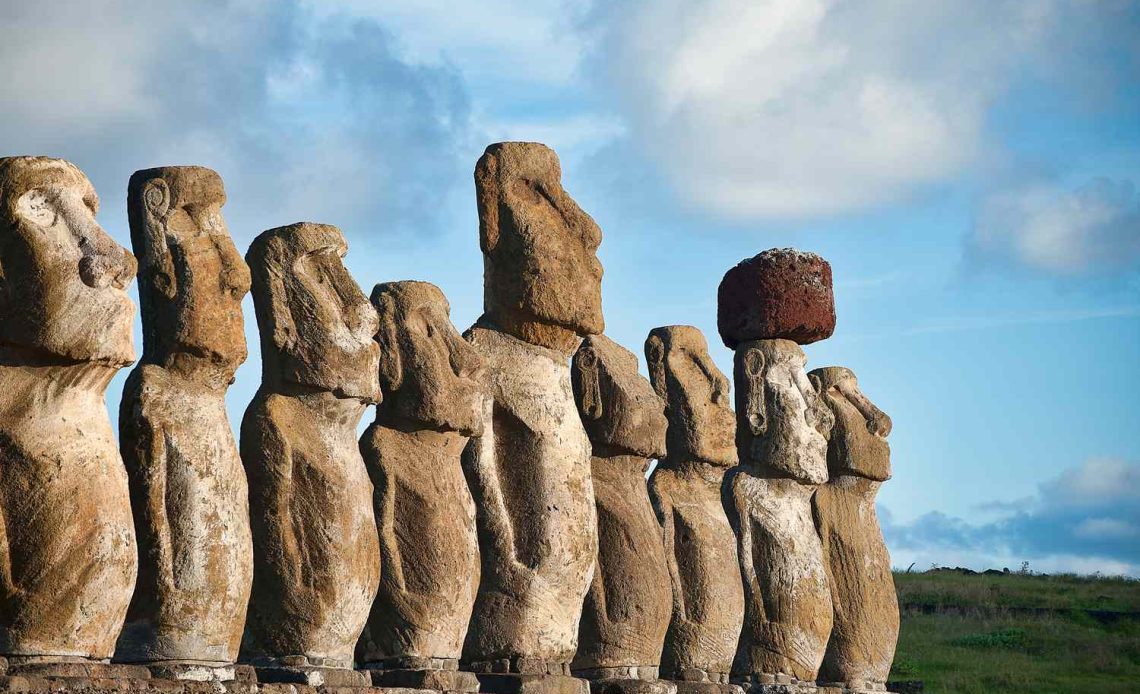
Unraveling the Mystery of the Easter Island Statues
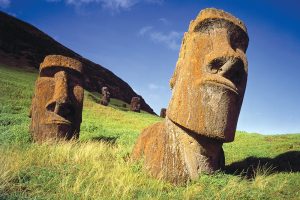
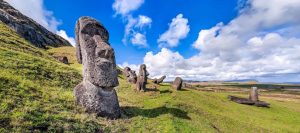
The Easter Island statues, or moai, are the island’s most iconic Easter Island attractions. Carved by the Rapa Nui people between 1250 and 1500 AD, these massive stone figures—some weighing over 80 tons—were created to honor ancestors, chiefs, and deities. Nearly 900 moai are scattered across the island, often perched on ceremonial stone platforms called ahu. Visiting Rano Raraku, the volcanic quarry where most moai were carved, is a highlight of any Easter Island itinerary. Here, you’ll see dozens of statues in various stages of completion, some still embedded in the rock, offering a glimpse into the ancient sculpting process. The site’s serene landscape, with moai dotting the hillside against a backdrop of rolling green slopes, feels like stepping into a living museum.Before you book your Easter Island trip, make sure to learn about its rich Polynesian heritage.
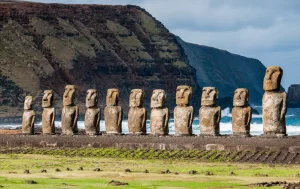
Another must-see is Ahu Tongariki, the largest ahu on the island, where 15 restored moai stand in a dramatic row facing the ocean. The site is particularly striking at sunrise, when the statues are silhouetted against the glowing sky, making it a favorite for photographers. Ahu Akivi, with its seven moai gazing toward the sea, is unique as the only inland platform aligned with the ocean, believed to represent seven explorers who discovered Rapa Nui. These sites, accessible via guided Easter Island tours, provide a deep connection to the island’s Easter Island history and spiritual legacy.
Exploring Easter Island Cultural Heritage
Easter Island culture is a vibrant blend of Polynesian traditions and modern Rapa Nui identity. The annual Tapati Festival, held in February, is the island’s biggest cultural event, showcasing traditional music, dance, and competitions like Haka Pei, where participants slide down a hill on banana trunks. Visitors can immerse themselves in this celebration by attending performances or joining workshops to learn about Rapa Nui crafts, such as wood carving or weaving. Local dance troupes often perform at cultural centers or restaurants in Hanga Roa, the island’s main town, offering a chance to witness the graceful movements of traditional Polynesian dances accompanied by rhythmic drumming.
The Sebastian Englert Anthropological Museum in Hanga Roa is a treasure trove for those eager to dive into Easter Island history. Named after a German priest who studied Rapa Nui culture, the museum houses artifacts like stone tools, wooden carvings, and a rare female moai. Its exhibits explain the island’s Polynesian origins, the construction of the moai, and the challenges faced by the Rapa Nui people, including environmental changes and European contact. Visiting the museum early in your trip provides valuable context for exploring the island’s archaeological sites.
For a hands-on cultural experience, consider joining a Rapa Nui cooking class. These workshops teach you to prepare dishes like poe, a sweet bread made from taro or banana, or ceviche-style fish marinated in coconut milk. Many classes are hosted by local families, offering insight into daily life and culinary traditions, making it one of the most authentic things to do on Easter Island.
Natural Wonders and Outdoor Adventures
Easter Island’s volcanic landscape offers a wealth of natural attractions for outdoor enthusiasts. Rano Kau, a dormant volcano with a massive crater lake, is a highlight of what to see on Easter Island. The trail to the crater’s rim offers panoramic views of the lake’s emerald waters and the vast Pacific beyond. Nearby, the ceremonial village of Orongo is a fascinating archaeological site tied to the Birdman cult, a post-moai tradition where competitors swam to a nearby islet to retrieve a sacred egg. The village’s stone houses, perched on the crater’s edge, offer a glimpse into this unique ritual and stunning ocean vistas.
For beach lovers, Anakena Beach is a tropical paradise with white sand, swaying palms, and calm turquoise waters. It’s also home to Ahu Nau Nau, a platform with seven moai, some adorned with red stone topknots called pukao. The beach is perfect for swimming, picnicking, or simply relaxing after exploring archaeological sites. Ovahe Beach, a smaller and more secluded spot, offers pinkish sands and dramatic cliffs, ideal for those seeking tranquility.
Adventure seekers can explore the island by hiking, biking, or horseback riding. The Terevaka volcano, the island’s highest point at 1,674 feet, is a popular trek with 360-degree views of Rapa Nui’s coastline and interior. Guided Easter Island tours often include these activities, with knowledgeable locals sharing stories about the island’s geology and history. Scuba diving and snorkeling are also excellent ways to discover the underwater world, with clear waters revealing coral reefs and volcanic formations around islets like Motu Nui.
Planning Your Easter Island Itinerary
A well-planned Easter Island itinerary ensures you experience the island’s highlights without feeling rushed. For a 4-5 day trip, start in Hanga Roa, where most Easter Island hotels are located. Day one can include the Sebastian Englert Museum and a walking tour of Ahu Tahai, a nearby site with three restored moai, perfect for sunset views. On day two, visit Rano Raraku and Ahu Tongariki, followed by a relaxing afternoon at Anakena Beach. Day three could focus on Rano Kau and Orongo, with an evening cultural performance in Hanga Roa. Use day four for adventure activities like hiking Terevaka or a horseback ride along the northern coast. If time allows, add a day for a boat tour or a cooking class to round out your experience.
Easter Island vacation packages often bundle accommodations, guided tours, and meals, making planning easier. For a more flexible approach, rent a bike or car to explore at your own pace, but note that many archaeological sites require a guide or park pass, available at the Rapa Nui National Park office. A typical 5-day package might cost between $1,000 and $2,500 per person, depending on accommodation and inclusions, which leads into understanding Easter Island travel cost.
Getting to Easter Island and Where to Stay
How to get to Easter Island is straightforward but requires planning due to its remoteness. The only commercial flights to Mataveri International Airport in Hanga Roa depart from Santiago, Chile, with LATAM Airlines operating daily flights (5-6 hours). Less frequent flights from Papeete, Tahiti, are also available. Booking flights 3-6 months in advance can help secure better rates, with round-trip tickets typically ranging from $500 to $1,200, depending on the season. No ferries or cruises regularly service the island, so flying is the primary option.
Easter Island hotels range from budget guesthouses to luxury resorts. In Hanga Roa, Hotel Hare Noi offers upscale accommodations with ocean views and traditional Rapa Nui design, while Taha Tai Hotel provides mid-range comfort near the town center. For budget travelers, hostels like Kona Tau or family-run guesthouses offer affordable stays with local charm. Camping is also an option at sites like Mihinoa, with basic facilities and stunning coastal views. Booking accommodations early is crucial, especially during peak seasons, as options are limited.
Best Time to Visit and Travel Tips
The best time to visit Easter Island is during the shoulder seasons—March to May or September to November—when the weather is mild (65-75°F), crowds are smaller, and prices are more affordable. Summer (December to February) is warm and lively, coinciding with the Tapati Festival, but it’s also the busiest and priciest time. Winter (June to August) brings cooler temperatures (around 60°F) and occasional rain but fewer tourists.
Easter Island travel tips include packing light layers, as weather can change quickly, and bringing sturdy shoes for hiking uneven terrain. The island has limited ATMs, so carry cash (Chilean pesos) for small purchases, as many vendors don’t accept cards. Respect local customs by staying on designated paths at archaeological sites and asking permission before photographing locals. A Rapa Nui National Park ticket ($80 for adults, valid for 10 days) is required for most sites and can be purchased in Hanga Roa. Guided tours are recommended for deeper insights, as signage at sites is minimal.
Easter Island travel cost varies widely. Budget travelers can expect to spend $100-$150 per day on basic accommodations, food, and transport, while mid-range travelers might spend $200-$300. Luxury trips, including upscale hotels and private tours, can exceed $500 per day. Flights and park fees are the biggest expenses, so plan accordingly.
Practical Considerations for Your Trip
Dining on Easter Island centers around fresh seafood, Polynesian flavors, and Chilean influences. Local restaurants in Hanga Roa, like Te Moana or Tataku Vave, serve dishes such as tuna ceviche, grilled fish, and poe. Groceries are expensive due to the island’s isolation, so budget travelers may want to eat at local eateries or food trucks for affordable meals like empanadas. Tap water is generally safe, but bottled water is widely available.
Transportation on the island is simple. Hanga Roa is walkable, and bikes or scooters are ideal for short distances. Renting a 4×4 vehicle is useful for exploring remote sites, but roads can be rough, so drive cautiously. Taxis are available but pricey, and guided Easter Island tours often include transport, making them a convenient option.
FAQs About an Easter Island Trip
1. What are the top Easter Island attractions to include in my itinerary?
Key sites include Rano Raraku, Ahu Tongariki, Rano Kau, Orongo, and Anakena Beach. The Sebastian Englert Museum and Ahu Tahai are also must-sees for history and sunset views.
2. How do I get to Easter Island?
Flights from Santiago, Chile, or Papeete, Tahiti, to Mataveri International Airport are the only way to reach the island. LATAM operates daily flights from Santiago, taking 5-6 hours.
3. What is the best time to visit Easter Island?
March to May and September to November offer mild weather and fewer crowds. February is ideal for the Tapati Festival, but it’s busier and more expensive.
4. What are the best things to do on Easter Island?
Explore Easter Island statues, hike Terevaka, visit Anakena Beach, join a cooking class, or attend a cultural performance. Guided tours and outdoor activities like biking or diving are also popular.
5. How much does an Easter Island trip cost?
Budget travelers spend $100-$150 daily, mid-range $200-$300, and luxury over $500. Flights ($500-$1,200 round-trip) and park fees ($80) are major costs.
6. What are the best Easter Island tours?
Guided tours to Rano Raraku, Ahu Tongariki, and Orongo are highly recommended. Cultural tours, cooking classes, and adventure options like horseback riding or diving offer diverse experiences.
7. Where should I stay on Easter Island?
Options include luxury hotels like Hare Noi, mid-range Taha Tai, budget hostels like Kona Tau, or camping at Mihinoa. Most accommodations are in Hanga Roa.
Conclusion Easter Island trip
An Easter Island trip is a once-in-a-lifetime adventure, blending the awe-inspiring Easter Island statues with the island’s rich Easter Island culture and stunning natural beauty. From exploring archaeological wonders like Rano Raraku and Ahu Tongariki to hiking volcanic trails and relaxing on Anakena Beach, the island offers endless opportunities for discovery.
Whether you’re drawn to the mysteries of Easter Island history, seeking adventure through Easter Island tours, or immersing yourself in local traditions, Rapa Nui delivers an unforgettable experience. With careful planning—considering how to get to Easter Island, the best time to visit, and Easter Island travel cost—you can craft the perfect Easter Island itinerary to explore this remote Pacific gem. Pack your sense of wonder and prepare for a journey to one of the world’s most captivating destinations.
