
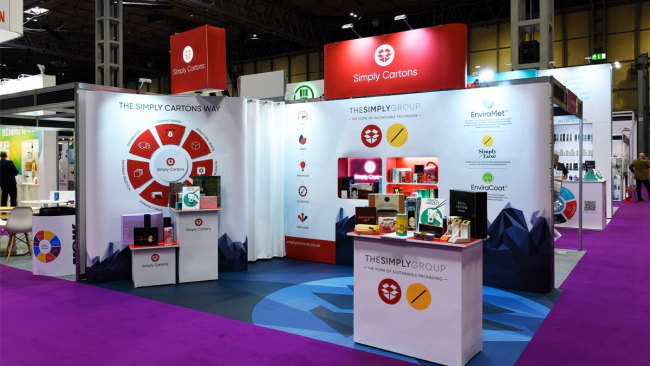
Choosing the right trade show stand is like deciding how you want to show up on a first date: you want the right impression. Your stand says a lot about what your company values, whether you’re launching a new app, unveiling a gadget, or raising brand awareness.
Let’s explore the pros and cons of three popular styles- a custom exhibition stand, a modular exhibition stand, and a portable exhibition stand—so you can pick the one that fits your goals and budget.
Custom stands
A custom exhibition stand is built around your unique specifications. Every panel, light, shelf, and graphic is tailored to your brand and objectives. Think of it as a mini flagship store designed to reflect your company’s soul. Partner with experienced exhibition stand makers who can push creativity and elevate your booth’s visual story.
Benefits:
- Brand authenticity: your logo, colors, textures, and lighting communicate what your company stands for.
- Show-stopping design: unique shapes, furniture, and interactive features create buzz and attention.
- Targeted experience: you choose how attendees walk through the space, what they see first, and which demos feel most natural.
Challenges:
- High initial cost: custom builds often involve one-time use, expert design, and transportation of bulky parts.
- Time-heavy planning: constructing a unique booth takes longer, from approvals and design to build and teardown.
- Logistical complexity: installation demands professional rigging, shipping, and coordination on-site.
Modular stands
A modular exhibition stand is made from standardized, reusable components that fit together in different layouts. It combines flexibility, cost savings, and a polished look, making it a reliable option for many tech teams.
Benefits:
- Budget-savvy reuse: you pay once, then reuse the system at multiple events, updating graphics as needed.
- Quick assembly: lightweight components arrive ready to snap together, minimizing setup time and labor costs.
- Adaptable configurations: you can expand or downsize the layout depending on booth size, which is handy for flexible floor plans.
- Eco-friendly option: reusing materials across events supports sustainability.
Challenges:
- Design rigidity: you may end up with a “modular aesthetic” less expressive than a custom booth, though quality systems offer creative design solutions.
- Storage & maintenance: you’ll need space between shows and a plan to keep everything in good shape.
- Brand consistency risk: without periodic updates, your stand might look stale after multiple uses.
Portable stands
A portable exhibition stand offers convenience and value for teams that need to hit lots of small events, such as roadshows, pop-ups, or demo days.
Benefits:
- Ultimate portability: these display systems are easily transported in a case or trunk.
- Rapid setup: lightweight and tool-free, these can be up in minutes by one or two people.
- Cost-effective basics: they’re budget-friendly and ideal for demos, sign-ups, or simple brand reinforcement.
Challenges:
- Limited scale: these stands are compact and often less immersive, which may struggle on crowded floors.
- Wear and tear: pop-up systems and thin banners may degrade with frequent use.
- Fixed layout: there’s little room to expand or adapt once you’ve set it up.
Conclusion
Your final decision should align with your goals, event frequency, and resources. Use custom stands to make a statement, modular stands for sustainable efficiency, and portable setups for speed and mobility. Reach out to trusted exhibition stand makers who can help you map your needs, stay on budget, and make your presence shine, no matter the size or scale of your event.
