
Backpacking Europe is an exhilarating way to immerse yourself in a continent bursting with diverse cultures, ancient landmarks, and breathtaking landscapes. From the sun-drenched coasts of Greece to the medieval streets of Prague, Europe’s compact size and robust transport network make it a backpacker’s paradise.
Whether embarking on a solo backpacking Europe adventure or planning a backpacking Europe with friends trip, travelers can craft unforgettable experiences on a budget. This Europe backpacking guide explores best countries for backpacking in Europe, backpacking Europe itinerary ideas, and backpacking safety tips in Europe to ensure a memorable journey.
Best Countries for Backpacking in Europe
Best countries for backpacking in Europe offer a mix of affordability, culture, and accessibility, catering to various interests. Here are top picks:
- Portugal: Lisbon and Porto blend sunny beaches, historic trams, and affordable hostels ($20/night). Pastel de nata pastries cost $1, making it a cheap place to travel in Europe.
- Czech Republic: Prague’s fairy-tale charm, with Charles Bridge and cheap beer ($2/pint), is budget-friendly. Smaller towns like Český Krumlov offer medieval vibes.
- Hungary: Budapest’s thermal baths and ruin bars are backpacker magnets. Hostels start at $15, and goulash meals are $5.
- Croatia: Dubrovnik’s old town and Split’s beaches are stunning. Inland Plitvice Lakes National Park is a must. Dorms cost $25.
- Poland: Krakow’s Wawel Castle and vibrant squares are affordable, with hostels at $12/night. Auschwitz tours provide historical depth.
These countries, central to backpacking Eastern Europe and Western Europe, balance cost and cultural richness, ideal for any backpacking Europe route.
Backpacking Europe Itinerary
Backpacking Europe itinerary ideas vary by duration, but a backpacking Europe for 2 weeks plan can cover 4-5 cities. Here’s a sample 14-day itinerary for budget Europe travel:
- Days 1-3: Amsterdam, Netherlands – Stay at ClinkNOORD hostel ($30/night), bike through Vondelpark, and visit Rijksmuseum (free with I Amsterdam Card). Budget: $150.
- Days 4-6: Berlin, Germany – Check into Circus Hostel ($25/night), explore Brandenburg Gate, and eat currywurst ($3). Budget: $120.
- Days 7-9: Prague, Czech Republic – Book Czech Inn ($20/night), wander Old Town Square, and hike to Prague Castle (free entry). Budget: $100.
- Days 10-12: Budapest, Hungary – Stay at Wombat’s City Hostel ($18/night), relax at Széchenyi Baths ($20), and savor lángos ($2). Budget: $90.
- Days 13-14: Vienna, Austria – Check into Meininger Hostel ($22/night), visit Schönbrunn Palace gardens (free), and enjoy schnitzel ($8). Budget: $80.
Total: ~$540 for accommodation and activities, excluding transport. A Eurail Youth Pass ($233 for 5 travel days) supports how to backpack Europe on a budget. Extend to a month for Western Europe backpacking highlights like Paris or backpacking Eastern Europe gems like Belgrade.
How to Backpack Europe on a Budget
How to backpack Europe on a budget requires strategic planning to keep daily costs at $50-80. Here’s how:
- Accommodation: Stay in cheap hostels in Europe for backpackers like St Christopher’s Inn (Barcelona, $28/night) or Plus Hostel (Budapest, $18/night). Book early via Hostelworld for 8+ rated options.
- Food: Eat at markets or street vendors. Berlin’s Markthalle Neun offers meals for $5, while Prague’s food stalls sell trdelník for $3. Cook in hostel kitchens to save more.
- Transport: Use train travel in Europe for backpackers with a Eurail Global Pass ($302 for 7 days) or FlixBus ($10-30/trip). Budget airlines like Ryanair offer flights from $20 if booked early.
- Activities: Prioritize free attractions, like Rome’s Pantheon or Lisbon’s Alfama district. City passes (e.g., Lisboa Card, $25 for 24 hours) include museums and transport.
- Drinks: Avoid pricey bars; buy beer or wine at supermarkets ($2-5). Eastern Europe’s pubs are cheaper than Western Europe’s.
This approach ensures budget Europe travel, keeping your backpacking Europe route affordable and fun.
Europe Backpacking Travel Tips
Europe backpacking travel tips streamline your journey, enhancing safety and enjoyment. These pointers suit all travelers:
- Plan Flexibly: Reserve key trains and hostels 1-2 months ahead, especially for summer, but leave room for spontaneous detours.
- Stay Connected: Buy a local SIM (e.g., Vodafone, $20 for 10GB) or use hostel Wi-Fi. Download offline maps for rural areas.
- Learn Phrases: Basic words like “hello” (bonjour in French, ciao in Italian) and “thank you” build goodwill, especially in backpacking Eastern Europe.
- Budget Tracking: Use apps like Trail Wallet to monitor spending, ensuring you stay within $50-80/day.
- Cultural Respect: Dress modestly for churches (cover shoulders/knees) and avoid loud behavior in quiet towns.
These tips, part of how to plan a backpacking trip in Europe, prepare you for a seamless adventure.
Cheap Hostels in Europe for Backpackers
Cheap hostels in Europe for backpackers offer affordability and social vibes, with dorms, kitchens, and group activities. Top picks in must-visit cities for backpackers in Europe:
- Amsterdam – ClinkNOORD: Near Central Station, dorms cost $30, with a bar and bike rentals. Ideal for solo backpacking Europe.
- Berlin – Circus Hostel: In Mitte, dorms start at $25, offering a brewery and walking tours. Perfect for history enthusiasts.
- Prague – Czech Inn: Stylish dorms from $20, with a bar and proximity to Old Town. Great for budget travelers.
- Lisbon – Home Lisbon Hostel: Dorms at $22, featuring family dinners and free walking tours, fostering a homey vibe.
- Rome – The Yellow: Near Termini Station, dorms cost $28, with a lively bar and pizza nights.
Hostels with 24-hour check-in and lockers enhance Europe backpacking guide convenience. Book 2-3 weeks ahead for peak season (June-August).
Solo Backpacking Europe
Solo backpacking Europe is empowering, with Europe’s safe cities and backpacker-friendly infrastructure easing the journey. Here’s how to thrive:
- Socialize: Join hostel pub crawls or cooking classes to meet travelers. Cities like Amsterdam and Budapest have vibrant solo scenes.
- Safe Destinations: Backpacking safety tips in Europe highlight Copenhagen, Lisbon, and Prague for low crime and English speakers.
- Plan Key Stops: Focus on walkable cities like Vienna or Krakow, reducing navigation stress. Hostel staff offer local tips.
- Stay Secure: Use a money belt for valuables, avoid deserted areas at night, and share itineraries with family.
Solo travel, supported by Europe backpacking travel tips, builds confidence and fosters connections across must-visit cities for backpackers in Europe.
Train Travel in Europe for Backpackers
Train travel in Europe for backpackers is efficient and scenic, with interrail Europe backpacking passes like Eurail simplifying multi-country trips.
- Eurail Youth Global Pass: For ages 12-27, $233 for 5 travel days in 1 month, covering 33 countries. High-speed trains (e.g., TGV) may need reservations ($10-30).
- Night Trains: Save time and accommodation costs. Routes like Munich to Budapest offer recliners ($6) or sleepers ($20).
- Scenic Routes: The Bernina Express (Switzerland to Italy) or Cinque Terre (Italy) routes are bucket-list experiences, showcasing Western Europe backpacking highlights.
- Booking: Use Eurail’s app for schedules and reservations. FlixBus or budget flights complement trains for remote areas.
Night trains and regional routes keep how to backpack Europe on a budget achievable, with passes offering flexibility.
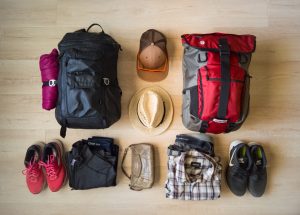
Backpacking Europe Packing List
Backpacking Europe packing list ensures mobility and comfort across seasons. A 40-50L backpack is ideal for budget Europe travel.
- Clothing: 5 t-shirts, 2 pants, 1 fleece, 1 waterproof jacket, and walking shoes. Include a swimsuit for Mediterranean stops. Layer for spring/fall (5-20°C).
- Toiletries: Travel-sized shampoo, toothbrush, and a quick-dry towel. A reusable water bottle reduces waste.
- Electronics: Universal adapter (Type C/F plugs), portable charger, and earbuds. A compact camera captures landmarks.
- Documents: Passport (valid 6+ months), Eurail pass, travel insurance, and a no-fee debit card (e.g., Revolut).
- Extras: Money belt, padlock for hostel lockers, and a daypack for city tours.
Pack for 7-10 days, using hostel laundry to rewear clothes, aligning with backpacking safety tips in Europe for light travel.
Backpacking Eastern Europe
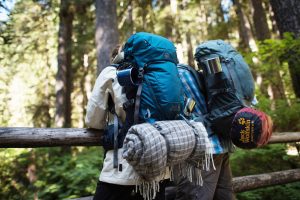
Backpacking Europe Packing List how to travel europe on a budget europe travel itinerary
Backpacking Eastern Europe offers affordability, rich history, and fewer crowds than Western Europe. Key destinations include:
- Krakow, Poland: Wawel Castle and Kazimierz district are vibrant. Hostels cost $12, and pierogi meals are $4.
- Budapest, Hungary: Thermal baths and ruin bars draw backpackers. Dorms start at $15, with free walking tours.
- Belgrade, Serbia: Fortress views and nightlife shine. Hostels are $10/night, and cevapi costs $3.
- Ljubljana, Slovenia: Lake Bled and compact old town are budget gems. Dorms cost $20.
- Lviv, Ukraine: If safe, its coffeehouses and architecture charm. Hostels are $8, though check travel advisories.
Eastern Europe’s lower costs ($40/day vs. $70 in Western Europe) make it a highlight of cheap places to travel in Europe.
Western Europe Backpacking Highlights
Western Europe backpacking highlights feature iconic landmarks and vibrant cities, perfect for a classic backpacking Europe route.
- Paris, France: Free entry to Sacré-Cœur and Seine picnics keep costs low. Hostels near Montmartre cost $30.
- Barcelona, Spain: Gaudí’s Sagrada Família and beach vibes draw crowds. Dorms start at $28.
- Amsterdam, Netherlands: Canals and Van Gogh Museum are musts. Bike rentals ($10/day) save money.
- Dublin, Ireland: Guinness Storehouse and Temple Bar are lively. Hostels cost $25.
- Munich, Germany: Oktoberfest (September) and Marienplatz are highlights. Dorms are $30.
These cities, central to must-visit cities for backpackers in Europe, blend history and modernity, though they’re pricier than Eastern Europe.
Backpacking Europe with Friends
Backpacking Europe with friends creates shared memories, with group dynamics easing costs and planning. Tips for success:
- Split Costs: Share private hostel rooms ($50-80/night for 4) or Airbnb apartments. Bulk-buy groceries for hostel cooking.
- Plan Together: Agree on priorities (e.g., nightlife vs. museums). Cities like Berlin or Barcelona suit diverse interests.
- Group Transport: Eurail’s group discounts (10% off for 2-5 people) or FlixBus multi-tickets save money.
- Social Hubs: Stay at hostels like Generator (Paris, $28/night) with bars and game rooms for group bonding.
Group trips enhance Europe backpacking guide experiences, balancing adventure and camaraderie.
Backpacking Safety Tips in Europe
Backpacking safety tips in Europe ensure a secure journey across diverse destinations.
- Valuables: Use a money belt for passports and cash. Hostel lockers protect electronics.
- Night Safety: Stick to well-lit areas in cities like Rome or Budapest. Avoid excessive drinking on pub crawls.
- Scams: Beware pickpockets in crowded spots like Paris’ metro or Barcelona’s La Rambla. Decline unsolicited “friendship bracelets.”
- Emergency Contacts: Save local emergency numbers (112 for EU) and embassy details. Share itineraries with family.
- Insurance: World Nomads ($50/month) covers medical emergencies and theft, essential for solo backpacking Europe.
These precautions, part of how to plan a backpacking trip in Europe, keep safety first.
FAQs About Backpacking Europe
- What is the best backpacking Europe itinerary?
Backpacking Europe itinerary for 2 weeks includes Amsterdam, Berlin, Prague, Budapest, and Vienna, costing ~$540 plus transport. - How can I backpack Europe on a budget?
How to backpack Europe on a budget involves staying in hostels ($20-30/night), using Eurail passes ($233), and eating street food ($5-10/day). - Which are the best countries for backpacking in Europe?
Best countries for backpacking in Europe like Portugal, Czech Republic, and Hungary offer affordability and rich culture. - What are Europe backpacking travel tips?
Europe backpacking travel tips include planning flexibly, using public transport, and learning local phrases for better experiences. - Where are cheap hostels in Europe for backpackers?
Cheap hostels in Europe for backpackers like ClinkNOORD (Amsterdam, $30) and Czech Inn (Prague, $20) provide budget-friendly stays. - Is solo backpacking Europe safe?
Solo backpacking Europe is safe in cities like Lisbon and Prague, with hostels and group tours fostering connections. - What’s on a backpacking Europe packing list?
Backpacking Europe packing list includes a 40-50L backpack, versatile clothing, a universal adapter, and a money belt.
Conclusion on Backpacking Europe
Backpacking Europe weaves a tapestry of iconic landmarks, hidden gems, and vibrant cultures, perfect for adventurers seeking freedom and discovery. Best countries for backpacking in Europe like Portugal and Poland offer affordability, while backpacking Europe itinerary plans balance Western Europe backpacking highlights with backpacking Eastern Europe charm. How to backpack Europe on a budget ensures accessibility with cheap hostels in Europe for backpackers and train travel in Europe for backpackers.
Whether solo backpacking Europe or backpacking Europe with friends, backpacking safety tips in Europe keep journeys secure. With a thoughtful backpacking Europe packing list and flexible planning, this continent’s must-visit cities for backpackers in Europe promise a transformative adventure.
