
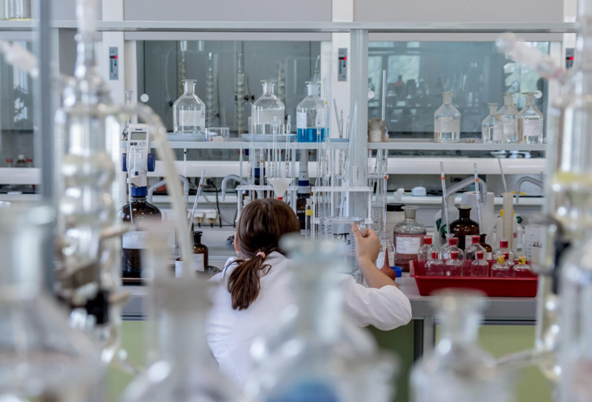
Clinical research helps doctors learn more about health and illness. It studies how treatments work in real people. This helps improve safety and care. Many modern treatments come from years of research.
This work happens in hospitals, clinics, and research centers. Doctors, nurses, and scientists all work together. Volunteers also help by joining studies.
Continue reading to discover everything you need to know.
Why Clinical Research Matters
Clinical research helps improve medical care. It shows how diseases affect the body. This helps scientists make better treatments. These treatments are safer and more helpful.
Many diseases once had few treatment options. Research has helped people live longer and feel better. It also reduces pain and improves daily life. These changes continue to help patients around the world.
Clinical research also protects public health. It helps stop diseases before they spread. Vaccines and early tests are good examples. This keeps communities safer.
How Medical Trials Work
Medical trials test new treatments. They check if a treatment is safe and helpful. Researchers collect data during these studies. This helps improve patient care.
Trials happen in steps. Early steps check safety. Later steps test how well treatments work. Each step gives useful information.
Rules are strict in every trial. These rules protect people in the study. Patients must understand the risks first. Safety always comes first.
How Research Improves Treatments
Clinical research helps create new medicines. Scientists study how diseases grow. They use this to build better treatments. This takes time and careful work.
Research also improves old treatments. Some studies reduce side effects. Others make treatments work better. This helps many patients.
Technology also helps research grow. Better tools help scientists study diseases closely. This leads to faster discoveries. New treatments reach patients sooner.
Personalized Medicine
Personalized medicine is growing fast. It means treatment is made for each person. Doctors use genes and health history. This helps improve results.
Researchers study why treatments work differently. This helps doctors choose better care. It can also reduce side effects. Many patients benefit from this approach.
This field keeps improving. New findings help doctors understand diseases better. This may lead to more exact treatments in the future.
Cancer Research Progress
Cancer research is a major part of clinical work. Scientists study better ways to detect and treat cancer. Clinical trials test new drugs and methods. Many treatments today come from this research.
Immunotherapy is one example. It helps the body fight cancer cells. Some patients respond very well to it. Research is still improving these treatments.
Doctors also work on early detection. START Center for Cancer Research can save lives. They also try to reduce side effects. This helps patients feel better during care.
Why Volunteers Matter
Volunteers are very important in research. Without them, studies cannot move forward. They help scientists collect real data. This supports future patients.
Some volunteers are healthy. Others have medical conditions. A mix of people helps make studies better. This gives more accurate results.
Doctors watch volunteers closely. They check health and safety often. People can leave a study anytime. Their safety is always respected.
Technology in Research
Technology makes research faster and better. Digital records help store data easily. Imaging tools help see diseases clearly. This improves accuracy.
Artificial intelligence is also used now. It helps study large amounts of data. This may lead to new discoveries. It also helps plan treatments.
Some studies can now be done at home. Remote tools track patient health. This makes joining studies easier. More people can take part.
New software systems also help doctors organize patient information in one place. This reduces errors and saves time during research. Cloud storage allows teams from different locations to work together easily. Wearable devices can also track heart rate, sleep, and movement in real time.
These tools give researchers better and faster information. As technology grows, clinical research becomes more efficient, more accurate, and more helpful for patients worldwide.
Challenges in Research
Clinical research is not always easy. It takes time and money. Some studies last many years. Researchers must stay patient.
Finding volunteers can be hard. Some people worry about risks. Clear information helps build trust. Education is very important.
Strict rules also slow down progress. But these rules protect people. They make research safe and fair. This is always important.
Even with these challenges, researchers continue their work every day. They follow careful steps to avoid mistakes and protect patients. Many teams work together to solve problems and improve results. Funding support is also needed to keep studies going.
Each challenge teaches researchers something new. Over time, these efforts lead to better treatments and stronger healthcare systems for everyone.
The Future of Clinical Research
The future of research looks bright. Scientists keep finding new ways to treat disease. Genetics and technology help a lot. These tools may lead to big changes.
Global teamwork is also growing. Countries share knowledge and results. This helps speed up progress. It can save more lives.
More personal treatments may come in the future. Care may be designed for each patient. This could improve results even more. Medicine will keep improving over time. New discoveries are also helping doctors prevent diseases before they become serious.
Early detection tools are becoming more accurate and easier to use. This allows patients to get treatment sooner and avoid complications. Research is also making healthcare more affordable and accessible. These improvements support better health outcomes for many people.
Lasting Impact on Healthcare
Clinical research helps improve modern healthcare. It leads to safer treatments and better care. It also helps doctors understand diseases. Many advances come from long studies.
Doctors, scientists, and volunteers all help this work. Their efforts create hope for the future. Research will keep shaping medicine. It will continue to improve lives around the world.
This progress also helps new treatments reach patients faster. Each study adds small steps that lead to big change over time. Better tools and methods make research more accurate and useful. Hospitals and clinics depend on this work every day. It supports better decisions for patient care.
Ongoing research also builds trust in modern medicine. It shows what works and what does not. This helps improve safety for everyone involved.
Expand your knowledge and check out more posts on our blog!
