
Hot water is something most households rely on every day. Whether you are taking a shower, washing dishes, or cleaning around the house, a reliable hot water system makes daily routines much easier. If your hot water is only warm, it may be a sign that your system requires inspection, maintenance, or repair to restore consistent performance.
If your hot water is not getting hot enough, the problem may be caused by something relatively simple, such as an incorrect temperature setting or a partially closed valve. In other cases, the issue could involve the heating element, thermostat, gas supply, plumbing, or another component within the system.
Understanding some of the common causes can help you identify what may be happening and determine when professional assistance is needed.
Check the Temperature Setting
One of the first things to consider is the temperature setting on your hot water system.
If the thermostat or temperature control has been adjusted too low, the water may feel warm rather than properly hot.
Some systems have controls that allow the temperature to be adjusted within a particular range. The location and operation of these controls depend on the type of hot water system installed.
Avoid making adjustments without understanding the manufacturer’s instructions. Hot water systems can reach temperatures that cause serious burns, and some components should only be accessed by qualified professionals.
If the setting appears normal but the water remains lukewarm, another issue may be responsible.
A Faulty Heating Element
Electric hot water systems commonly use heating elements to heat the stored water.
If an element develops a fault, the system may struggle to heat the water to the expected temperature. Depending on the problem, you may still receive some warm water, but it may not remain hot for very long.
Sediment or mineral deposits can also affect heating performance in some systems.
Diagnosing or replacing a heating element involves electrical components, so it is generally a job for a qualified professional rather than a DIY repair.
Problems With the Thermostat
The thermostat controls the temperature of the water by regulating when the heating system operates.
If the thermostat is faulty or incorrectly calibrated, it may stop the system from heating the water adequately.
A malfunctioning thermostat may result in water that is consistently too cool, temperature fluctuations, or a system that does not appear to heat the water properly.
Because thermostats can be connected to electrical or gas components depending on the system, professional diagnosis is recommended when a fault is suspected.
Sediment and Mineral Build-Up
Over time, minerals and sediment can accumulate inside some hot water systems.
This can be particularly relevant in areas where the water contains higher levels of minerals.
Build-up may affect heating efficiency and reduce the amount of hot water available.
It can also contribute to other problems, such as unusual noises from the system or reduced performance.
Regular servicing can help identify accumulation and other issues before they become more serious.
The Hot Water System May Be Too Small
Sometimes there may not be a fault with the system at all.
If your household’s hot water demand has increased, the existing system may no longer provide enough hot water for everyone.
For example, a system that previously supplied a small household may struggle after additional people move into the property or if water usage increases significantly.
A storage system has a limited amount of heated water available at any one time. Once the supply is used, the system needs time to heat more water.
If hot water regularly runs out before everyone has finished using it, the system’s capacity may need to be assessed.
Issues With a Gas Hot Water System
Gas hot water systems have their own potential causes of insufficient hot water.
A problem with the gas supply, burner, ignition system, or other components can affect heating performance.
If the system is not heating water properly, it should be inspected by a qualified gas professional.
Never attempt to repair gas components yourself. Gas appliances require appropriate expertise and safety procedures.
If you smell gas or suspect a gas leak, leave the area and seek urgent professional assistance.
Issues With an Electric Hot Water System
Electric systems can experience problems involving the heating element, thermostat, electrical supply, or associated components.
A tripped circuit breaker may prevent the system from heating water, although repeatedly resetting a breaker without investigating the cause is not recommended.
Electrical faults can pose serious safety risks. If your hot water system appears to have an electrical problem, contact a qualified electrician or appropriately licensed hot water technician.
Check Whether the Problem Affects the Whole House
Pay attention to whether the issue occurs at every hot water outlet or only one tap.
If the water is lukewarm throughout the house, the hot water system itself may be the likely source of the problem.
If only one shower or tap has insufficiently hot water, the issue may instead involve the individual fixture or mixing valve.
A faulty tempering or mixing valve can cause cold water to mix with hot water and reduce the temperature delivered through the tap.
Identifying where the problem occurs can help a professional diagnose the issue more efficiently.
A Faulty Tempering or Mixing Valve
Some plumbing systems use valves designed to control the temperature of water delivered to taps and showers.
These valves can develop faults over time. If one is not operating correctly, it may allow too much cold water to mix with the hot supply.
The result can be water that never becomes as hot as expected even though the hot water system itself is operating normally.
A plumber can inspect the valve and determine whether it needs servicing or replacement.
When to Call a Professional
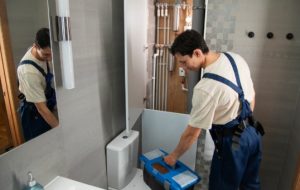
If basic checks do not explain why your hot water is not getting hot, professional inspection is usually the safest option.
You should seek assistance if the problem is persistent, the system is leaking, unusual noises are present, the circuit breaker repeatedly trips, or there are signs of a gas-related problem.
A qualified professional can inspect the system, identify the underlying cause, and recommend an appropriate repair.
Attempting to dismantle electrical, gas, or pressurised components without the necessary training can create serious safety risks.
Preventing Future Hot Water Problems
Regular maintenance can help keep a hot water system operating efficiently.
Professional servicing can identify worn components, leaks, corrosion, sediment build-up, and other potential problems.
It is also useful to pay attention to changes in performance. If water gradually becomes less hot, takes longer to heat, or runs out faster than usual, these may be early signs that the system needs attention.
Addressing problems early may help prevent more expensive repairs later.
Final Thoughts
If your hot water is not getting hot enough, there are several possible explanations. The cause could be a temperature setting, a faulty thermostat, a heating element, mineral build-up, a mixing valve, insufficient system capacity, or a problem with the gas or electrical supply.
Some basic observations can help narrow down the issue, but repairs involving gas, electricity, heating components, or pressurised systems should be handled by qualified professionals.
Getting the problem checked promptly can restore reliable hot water and help prevent a minor fault from developing into a larger system failure.
