
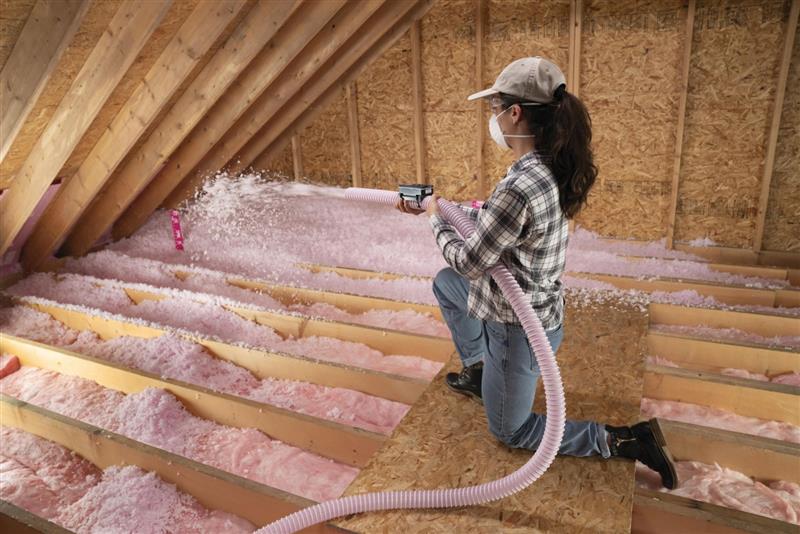
The Rising Importance of Attic Insulation in Modern Homes
In 2025, rising energy bills and unpredictable weather are pushing homeowners to rethink how their houses manage heat and cold. What used to be seen as a small upgrade has become a key part of modern home design one that affects comfort, utility costs, and long-term durability. Good insulation keeps indoor temperatures steady, shielding homes from scorching summers and chilly winters alike.
Connection Between Insulation and Energy Efficiency
In today’s energy-conscious world, efficiency isn’t a luxury it’s a necessity. Attic insulation acts as a thermal barrier, slowing the transfer of heat between your living space and the outside environment. Without it, heated or cooled air escapes easily, forcing HVAC systems to work overtime.
A well-insulated attic can lower energy consumption by up to 20–30%, depending on climate and home size. This leads to noticeable long-term savings, especially as electricity and gas rates continue to rise. Greater thermal performance also reduces carbon emissions, making it a smart, eco-conscious choice for homeowners.
When Insulation Fails: Real-World Consequences
Consider a homeowner who invested in a high-efficiency HVAC system but overlooked proper thermal sealing in the upper areas of the home. Despite the upgraded equipment, the house still struggled to stay warm in winter. The culprit? Gaps and poorly insulated zones allowed heated air to escape, leading to inconsistent temperatures and rising energy bills.
Another common scenario involves older houses where insulation has settled or deteriorated over time. In such cases, temperature differences between rooms can become extreme upstairs bedrooms may feel stifling in summer while lower floors remain cool. This imbalance disrupts indoor comfort, making everyday living less pleasant and often more expensive.
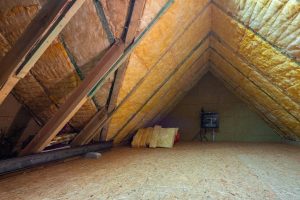
How Proper Insulation Improves Home Comfort
Comfort goes beyond just temperature. Good insulation contributes to quieter rooms, fewer drafts, and more stable humidity levels. It minimizes the strain on HVAC systems and helps maintain consistent conditions throughout the year.
By sealing air leaks and increasing the thermal barrier in the upper portion of the home, homeowners can experience a noticeable change in how their space feels cozier in winter and cooler in summer. This improved balance not only enhances daily comfort but also protects the home’s structure by minimizing moisture buildup and preventing condensation-related issues.
Finding Expert Help for a Smarter Home
While many homeowners attempt insulation upgrades themselves, the process demands precision. The right material type, thickness, and installation technique determine how well your insulation performs. Experienced attic insulation installers assess factors such as roof design, local climate, and ventilation to ensure maximum effectiveness.
They also identify weak points like recessed lighting gaps, unsealed vents, or insufficient vapor barriers that can compromise insulation performance over time. Investing in expert guidance ensures the job is done safely and effectively, providing lasting results rather than temporary fixes.
Building Energy-Efficient Homes for the Future
With climate patterns changing and energy prices continuing their upward climb, proper home insulation is no longer optional it’s essential. Houses built or upgraded with efficient thermal protection stand stronger against temperature fluctuations, use less energy, and deliver year-round comfort.
Whether you’re upgrading an older property or building new, prioritizing insulation today safeguards both your wallet and your wellbeing for years to come. In 2025 and beyond, a well-insulated attic isn’t just an upgrade it’s the foundation of sustainable living.
