
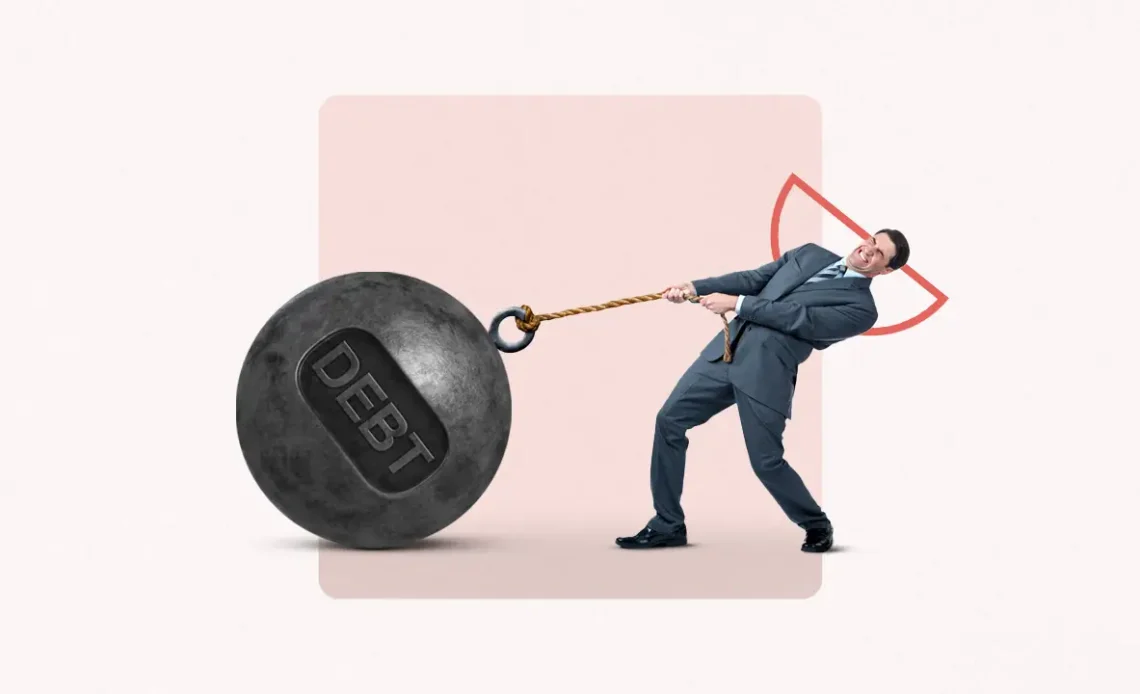
Debt consolidation is often promoted as a smart financial move, and in many cases, it truly can simplify payments and reduce stress. But consolidation is not a one size fits all solution. It can sometimes create more problems than it solves, especially if the new loan terms are not in your favor. Some people explore options like Hialeah vehicle title loans when debt feels unmanageable, but consolidation requires careful evaluation before making the leap. Understanding when consolidation doesn’t make sense can save you from long term financial setbacks.
When the New Interest Rate Is Higher Than What You Already Have
One of the biggest reasons consolidation becomes a bad decision is when the new loan has a higher interest rate than your existing debts. Many people assume that consolidation automatically results in savings, but that is not guaranteed. If your credit score is low or market rates have risen, lenders may only offer consolidation loans with expensive terms. This means you could end up paying more over the life of the loan, even if your monthly payment looks smaller. Lower monthly payments can be misleading if the total cost is higher. Always compare interest rates, repayment terms and total costs before committing.
If Your Credit Score Is Poor, Consolidation May Work Against You
Consolidation usually works best for borrowers with good to excellent credit. A strong credit score helps you qualify for lower interest rates and better terms. If your credit score is poor, lenders might offer high-rate loans that are more expensive than your current debt. Worse, applying for multiple consolidation loans could result in hard inquiries that lower your credit score further. The Consumer Financial Protection Bureau’s credit education tools emphasize the importance of assessing your credit before pursuing new credit products. If your credit is not strong enough to secure a beneficial consolidation loan, it might be wiser to focus on rebuilding your credit first.
When Spending Habits Have Not Been Addressed
Consolidation does not fix the behaviors that created the debt in the first place. If overspending or poor budgeting led to your current debt, consolidating without changing habits can set you up for even deeper financial trouble. Some people pay off their credit cards through consolidation, only to run them back up again because their spending habits remain unchanged. This creates a cycle of increasing debt that becomes harder to escape. Before consolidating, it is crucial to establish a realistic budget and build healthier financial habits that support long term stability.
If You Are Tempted to Use Consolidation to Free Up Credit for More Spending
Some borrowers view consolidation as a clean slate, giving them room to start spending again. This mindset is dangerous. Using consolidation to clear your credit cards and free up available balances encourages the same cycle of debt accumulation. This often leads to even higher total debt and another attempt at consolidation later. Instead, consolidation should simplify your payments and lower your interest costs, not serve as a way to regain spending room. If the goal is to create more space to spend, consolidation is not the right solution.
When Your Income Is Unpredictable or Unstable
Debt consolidation works best when your income is steady and reliable. If you work seasonally, freelance, or have unpredictable income, committing to a fixed consolidation payment may not be realistic. Missing payments on a consolidation loan can severely damage your credit and put you in a worse position. It may be safer to focus on flexible repayment strategies or budgeting adjustments instead. Unpredictable income requires financial approaches that allow for fluctuations rather than locking you into rigid monthly obligations.
When the New Monthly Payment Does Not Fit Your Budget
Consolidation is only helpful if the new monthly payment is manageable. A lower interest rate does not automatically mean the payment will be affordable. Longer loan terms may reduce the monthly payment, but they also increase the total amount you pay over time. Conversely, a shorter repayment term may save you money overall but create a monthly payment that is too high. The Federal Trade Commission’s debt management guidance stresses that affordability should always be a top consideration. If the payment does not fit your budget comfortably, consolidation may increase financial stress rather than relieve it.
Consolidation Can Hurt More Than It Helps If You Are Close to Paying Off Your Debts
If you are only a few months away from paying off your existing debts, consolidation could restart the clock unnecessarily. Instead of being debt free soon, you may end up with a new loan that stretches your payments over years. This delays financial freedom and may cost you more in the long run. In cases where your remaining balances are small or nearly paid off, focusing on finishing your current repayment plans is usually the smarter choice.
When Fees and Hidden Costs Offset Any Benefits
Some consolidation loans come with origination fees, balance transfer fees or prepayment penalties. These extra costs can diminish or even eliminate any potential savings. If a loan charges expensive fees just to consolidate your balances, the financial benefit may disappear. Always read the terms carefully and calculate how the fees affect your total repayment cost. A consolidation loan with attractive interest rates can still be a poor choice if the fees outweigh the advantages.
If Consolidation Encourages Avoidance Instead of Engagement
Debt consolidation can sometimes be a way for people to avoid confronting their financial situation. Instead of understanding their debt, learning from past mistakes or developing new habits, they use consolidation to push the problem aside. But long term financial health requires engagement, not avoidance. Consolidation should be viewed as a tool within a broader plan, not a standalone solution that magically fixes everything.
Knowing When to Step Back Instead of Consolidate
Consolidation can be a powerful financial tool, but only when used for the right reasons and under the right circumstances. It is not always the best choice, and in some situations, it can create more hardship. If the interest rate is higher, your budget is tight or your habits have not changed, stepping back and reevaluating your approach can save you from long term problems. Understanding when consolidation does not make sense allows you to make informed choices that support your financial stability and future goals.
