
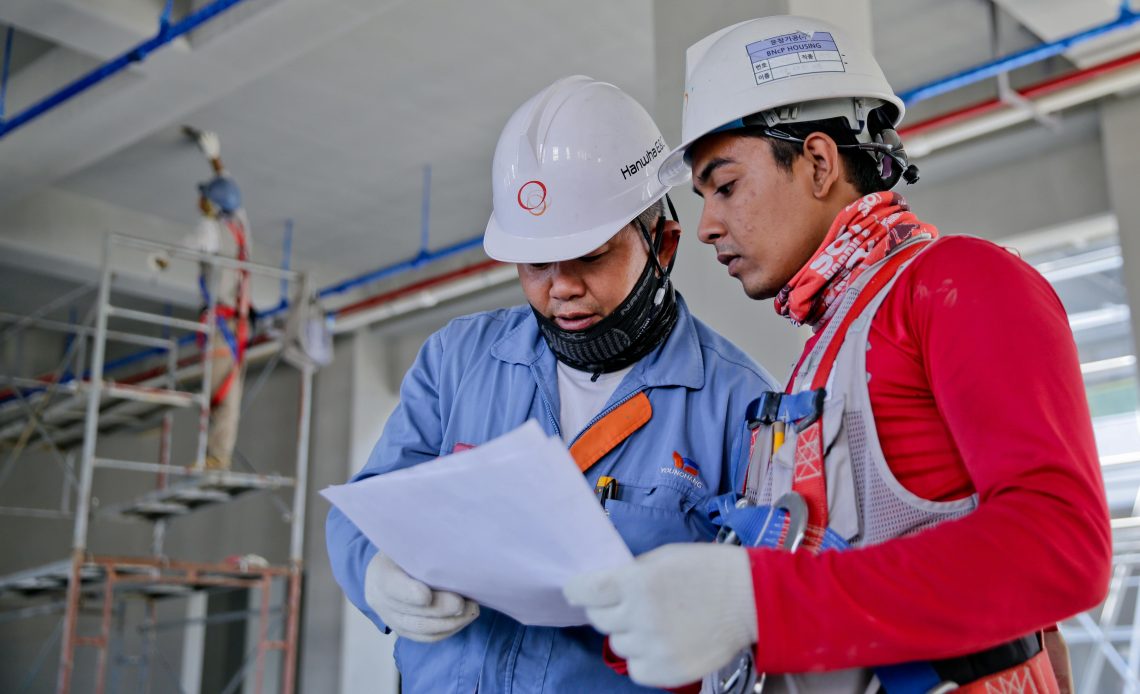
Construction has stopped being something that happens on the edge of cities. It now happens right in the middle of daily life. Pavements narrow overnight. Bus stops shift a few metres down the road. A route that worked yesterday suddenly doesn’t today. For most people, it feels abrupt. For the teams behind it, none of it is accidental.
Cities don’t pause when construction begins. Offices open, deliveries arrive, schools run on schedule, and commuters expect to get where they’re going. Keeping all of that moving safely, while heavy work happens just metres away, depends on systems most people never notice. They don’t announce themselves. They simply prevent things from going wrong.
-
Planning That Starts With How People Actually Move
Before barriers go up, many sites are already being studied digitally. Not just the layout of the land, but how it’s used day to day. When foot traffic builds up. Where people hesitate before crossing. Which corners delivery drivers favour. Which pavements get crowded after school hours.
This kind of digital site risk mapping changes everything. A café entrance that stays busy all day or a junction that backs up every evening can reshape an entire construction layout. When these details are taken seriously, temporary changes feel manageable rather than chaotic. The site fits around people, not the other way around.
-
Sensors Watching What the Eye Can’t See
Some of the most important safety work happens beneath the surface. Sensors embedded into structures track vibration, movement, and load changes that are far too small to spot visually.
In tightly built cities, this matters more than ever. Buildings share boundaries. Roads sit directly beside active work zones. A slight shift in one place can ripple outward. Live monitoring allows engineers to respond early, often before there’s any visible sign of stress. Much of this approach is informed by standards promoted by bodies like the Institution of Structural Engineers, which continues to shape how modern projects manage structural risk.
-
Knowing Exactly Who Is Where on Site
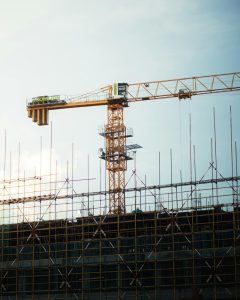
Construction sites used to rely heavily on manual oversight. Sign-in sheets. Verbal checks. Physical supervision. Digital access systems have changed that dynamic.
Controlled entry points now track who is authorised to be in specific areas and when. This reduces unnecessary exposure to high-risk zones and removes uncertainty during incidents. In an emergency, clarity matters. Knowing exactly who is present can make the difference between confusion and a controlled response.
-
Temporary Structures That Carry Permanent Responsibility
Temporary support systems are rarely noticed unless something goes wrong. Yet they hold buildings steady, protect neighbouring properties, and create safe working platforms in extremely tight spaces.
In redevelopment areas, solutions such as Aylesbury scaffolding are typically part of a wider safety conversation rather than a standalone decision. These systems are designed to change as the project evolves, meeting strict strength and access requirements at every stage. Once the work is complete, they disappear, leaving behind no trace of the role they played.
-
Weather Treated as a Live Risk, Not an Afterthought
Weather has always influenced construction, but it’s no longer something teams simply react to. Modern sites combine forecasts with on-site environmental data to assess risk continuously.
Wind, rain, temperature shifts, and visibility are measured against the work planned for that day. This allows activities to be delayed or adjusted before conditions become dangerous. Guidance from organisations such as the Occupational Safety and Health Administration continues to influence how environmental risks are managed across the industry.
-
Communication That Moves Faster Than the Problem
Clear communication prevents small issues from becoming serious ones. Many sites now use centralised systems that connect contractors, safety officers, inspectors, and managers in real time.
Safety checks are logged immediately. Alerts move without delay. When information flows properly, problems are dealt with while they’re still manageable. It’s not technology designed to impress. It’s technology designed to remove hesitation.
-
Compliance That Happens in the Background
Compliance used to mean paperwork, folders, and constant manual checks. Today, much of it runs quietly in the background.
Digital systems track inspections, certifications, and equipment status automatically. This reduces the risk of expired approvals or missed checks and gives regulators clearer visibility. More importantly, it allows safety teams to focus on conditions on site instead of chasing documents.
Why This Invisible Work Matters
Construction now shares space with everyday life. People walk past active sites on the way to work. Businesses operate alongside ongoing projects. Traffic flows through constantly changing layouts.
The technology that keeps these environments safe doesn’t seek attention. It doesn’t announce itself. It simply works, supporting progress while protecting the people moving through it. In today’s cities, that quiet reliability matters just as much as what eventually gets built.
