
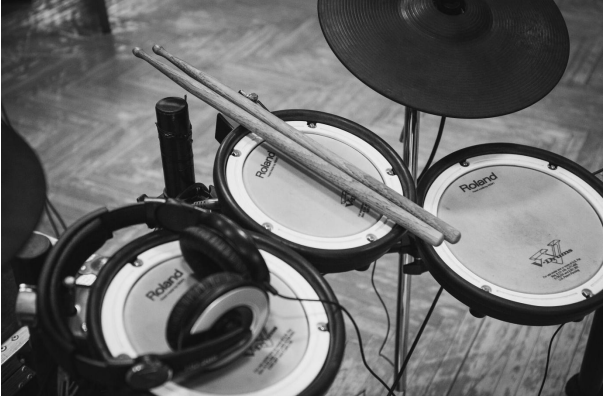
Can a drummer truly capture the soul of music with electronic pads instead of wooden sticks on acoustic shells? The rise of electronic drums has challenged old assumptions about rhythm, sound, and performance.
These digital kits now shape the sound of pop, rock, hip-hop, and even jazz. Musicians are discovering possibilities that go beyond traditional setups.
Technology has made drumming more versatile, accessible, and innovative than ever. From recording studios to concert stages, their presence is undeniable.
This article reveals how electronic drums are changing music and why they continue to grow in popularity. Read on!
A Brief Look Back at Drum History
Before understanding electronic drums, it helps to appreciate where drumming began. Acoustic drums have been central to music for thousands of years, used in ceremonies, marches, and bands.
Every culture developed its own form of percussion, expressing rhythm in unique ways. For most of music history, drummers relied on natural materials like wood, metal, and animal skin. The 20th century saw drum kits evolve into the foundation of popular music.
As recording and amplification advanced, drummers sought more control over sound and volume. This curiosity set the stage for digital rhythm innovations. Out of that desire for new expression, the electronic drum was born.
The Birth of Electronic Drums
Electronic drums first appeared in the late 1970s and early 1980s. Companies such as Simmons and Roland created early models that used pads and sensors to trigger electronic sounds. These kits looked futuristic but often lacked the natural feel of acoustic drums.
Still, they captured attention for their ability to produce sounds impossible with traditional instruments. Pop and new wave artists embraced them for their synthetic, sharp tones.
Drummers could suddenly sound like machines or orchestras at the touch of a pad. This early technology began shaping the rhythm of an entire musical era.
Advancements in Technology and Sound Quality
As technology progressed, electronic drums grew more expressive and lifelike. Modern kits feature mesh heads that closely mimic the rebound and feel of real drums.
Improved sensors detect subtle playing dynamics, giving drummers greater control. Sound modules now include thousands of sampled and modeled drum tones. These can replicate the warm crack of a vintage snare or the deep boom of a concert bass drum.
High-quality headphones and amplification make practice and performance smoother and quieter. Integration with digital audio workstations (DAWs) lets artists record instantly without complex setups.
Why Musicians Choose Electronic Drums
A lot of musicians use electronic drums because they are useful and loud. The fact that these kits can be played quietly with headphones makes them great for small studios and apartments. They also make it easy to change sounds to fit a certain music genre or mood.
Bassists can switch from jazz brushes to heavy rock hits with the push of a button. Recording is easier when you use electronic drums instead of expensive microphones or soundproof rooms. They don’t need as much maintenance as acoustic kits.
Built-in metronomes and coaching tools make it easy and fun for beginners to practice. Both amateurs and professionals like how versatile they are.
Electronic Drums in Live Performances
Onstage, electronic drums have opened new possibilities for creativity. Performers can combine electronic and acoustic elements to achieve hybrid setups. This mix allows for both a natural feel and modern sound design.
Electronic drums also eliminate microphone feedback and volume problems common in live shows. Drummers can load samples, backing tracks, and loops directly into their kits.
Visual performers use them to trigger lights and special effects in sync with beats. Touring musicians appreciate the easy transport and setup compared to bulky acoustic kits.
Recording and Studio Benefits
In recording environments, electronic drums have become indispensable tools. They allow precise control over tone, timing, and volume. Engineers can easily adjust sounds without rerecording entire parts.
MIDI connectivity enables producers to edit performances note by note. With digital kits, mistakes are easier to fix and creative ideas easier to test. The recording process becomes faster and more flexible, saving time and resources.
Many professional studios keep both acoustic and electronic kits ready for different projects. Whether for demos or major releases, electronic drums streamline the entire production process.
The Role of Electronic Drums in Education
Because electronic drums are easy to use and can be changed, they are used in music education. Their quietness is appreciated by teachers and schools. The students can work on their rhythm in silence.
Electronic kits often come with lessons, metronomes, and ways to keep track of your progress. They are used to teach timing and dynamics. They make setting up the classroom easier by getting rid of the need for multiple acoustic kits.
Cheap models make it easier for beginners to play the drums at home. Young percussionists are inspired by and learn how to play with electronic drums.
Electronic Drums Across Musical Genres
Electronic drums are no longer just for pop or electronic music. Rock bands use them to boost energy and control volume. Jazz drummers use pads to create new textures.
Hip-hop producers use them for crisp beats and fast sampling. For emotional expression, gospel and worship musicians like their range of tones. Orchestral composers use electronic percussion for drama.
Their versatility and ability to adapt to any genre show strength. Global musicians now view them as creative partners, not replacements.
Buying and Customizing Electronic Drums
Choosing the right electronic drum kit depends on a musician’s goals. Entry-level models provide basic sounds and learning tools for beginners. Intermediate kits offer more pads, responsive mesh heads, and advanced sound modules.
Professionals often look for kits with full customization and a realistic feel. Accessories such as pedals, headphones, and stands enhance the playing experience. Some drummers mix electronic pads into acoustic setups for hybrid power.
Reputable retailers like Sam Ash offer a wide range of options for every budget and skill level. Whether for home practice or live performance, customization ensures comfort and creativity.
How Electronic Drums Have Grown Popular in Contemporary Music
An important part of how modern music has changed is the use of electronic drums. Keeping the rhythm alive in new and exciting ways, they mix tradition and new ideas. Portable, flexible, and with huge sound libraries, they are great for musicians.
The way they play the drums has changed a lot in the digital age, from studios to stages. Despite new technology and more creative ideas, their influence keeps growing. One experiment turned into a mainstay of music culture around the world.
Did you like this guide? Great! Please browse our website for more!
