
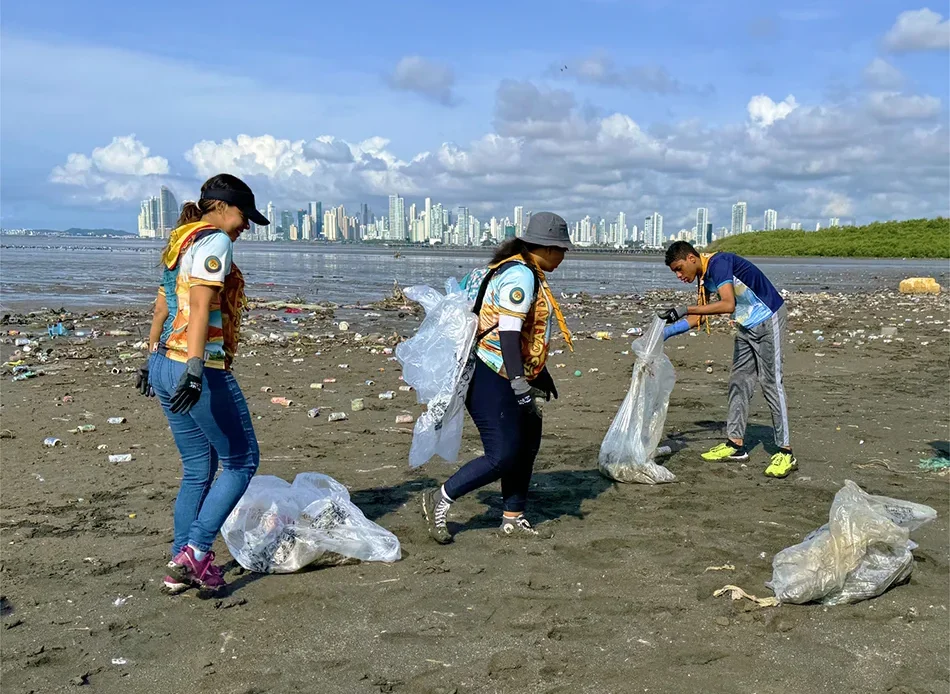
Panama City Beach, FL stands out as a top tourist location because of its beautiful beaches and clear water along with its booming travel industry. Maintenance of residential properties together with hotels and public areas have driven this upward dependence on standards power washing techniques. People who own coastal properties use power washing to preserve aesthetics but they typically don’t consider its detrimental effects on the environment.
In regions with hydrologically connected coastal systems cleaning operations performed as standard practice have measurable impacts on the aquatic environment. Adequate knowledge about power washing effects on these systems is critical to protect both development initiatives alongside environmental sustainability.
Coastal Conditions Make Cleaning Difficult
Panama City Beach, FL is humid and salt-laden as well as jam-packed with visitors. The environment causes exterior surfaces to gather grime, algae, sand and organic debris and the rate to reach this point is swift. All residents need to regularly wash driveways together with decks and siding along public walkways.
Because coastal regions exist outside inland areas they respond differently to any washed-away substances. The closeness to the Gulf of Mexico coupled with waterway linkages permits swift runoff movement from cleaning activities directly into nature-based aquatic environments.
Runoff and the Stormwater Connection
A key environmental concern tied to power washing is runoff. When water flows across hard surfaces such as pavement, rooftops, and roads, it does not soak into the ground. Instead, it enters storm drains and is transported directly to nearby water systems.
According to local stormwater information, runoff collects pollutants like chemicals, oils, debris, and sediments as it moves across surfaces. This untreated water is then discharged into natural waterways, potentially affecting water quality and marine life .
In Panama City Beach, FL, stormwater systems are designed to move water efficiently, not to filter it. This means that any contaminants introduced during cleaning—whether visible or microscopic—can bypass treatment and enter the coastal environment.
What Power Washing Leaves Behind
While the surface may appear cleaner after washing, the water used often carries a complex mixture of substances. These can include:
- Detergents and cleaning agents
- Oil and grease residues from driveways and parking areas
- Paint particles and heavy metals from older structures
- Organic materials such as mold, algae, and pollen
Studies of power washing runoff show that these substances can disrupt aquatic ecosystems. They may contribute to algae growth, reduce oxygen levels in water, and harm fish and plant life .
In a coastal city like Panama City Beach, FL, where marine ecosystems are part of daily life and tourism, even small-scale contamination can have broader consequences.
Effects on Marine and Coastal Ecosystems
The waters surrounding Panama City Beach, FL are home to diverse ecosystems, including fish, shellfish, seagrass beds, and coastal dune lakes. These environments depend on stable water conditions to thrive.
When contaminated runoff enters these ecosystems, several changes can occur:
- Nutrient imbalances that trigger algae blooms
- Reduced oxygen levels, affecting marine species
- Spread of pollutants that accumulate in sediments
- Disruption of natural salinity levels in estuarine zones
Because stormwater flows directly into the Gulf or connected water bodies, pollutants from land-based cleaning activities can reach marine habitats quickly. Over time, repeated exposure may alter ecosystem health in subtle but significant ways.
Impact on Stormwater Infrastructure
Power washing also interacts with the physical infrastructure of Panama City Beach, FL. Storm drains, pipes, and outfalls are designed to manage rainfall, but they are often affected by materials introduced during cleaning.
Debris such as dirt, leaves, and sediment can accumulate in drainage systems, potentially reducing flow efficiency. In some cases, blockages can increase localized flooding risks or require additional maintenance.
Local authorities continuously monitor and maintain stormwater systems to prevent such issues, but external inputs from human activities—including cleaning—remain a contributing factor .
The Role of Coastal Outfalls
Panama City Beach, FL features multiple stormwater outfalls that discharge water directly onto the beach. After rainfall or surface runoff events, these outfalls release water into the Gulf.
While some discolored water seen near these outfalls is natural—caused by organic materials like leaves and tannins—other inputs can originate from urban runoff. The distinction between natural and human-influenced discharge highlights the importance of managing what enters the stormwater system .
Power washing contributes to this broader runoff network, meaning its environmental impact extends beyond the immediate area being cleaned.
Urban Development and Water Flow Patterns
As Panama City Beach, FL continues to develop, the amount of impervious surfaces—such as roads, parking lots, and buildings—has increased. These surfaces prevent water from naturally filtering into the ground.
Instead, water flows rapidly across these surfaces, collecting pollutants along the way. This shift in water flow patterns amplifies the environmental influence of activities like power washing.
Urban runoff is already a significant source of water quality concerns in many regions, and additional inputs from cleaning practices can intensify these challenges.
Regulatory and Environmental Awareness
Environmental compliance programs in Florida aim to reduce pollution entering water systems. These programs focus on managing stormwater, preventing illicit discharges, and maintaining water quality standards.
In Panama City Beach, FL, stormwater management efforts emphasize reducing pollutants at the source and ensuring that only rainwater enters drainage systems. Any additional substances—such as chemicals or wastewater—are considered potential contaminants and may fall under regulatory oversight .
This regulatory framework reflects the broader recognition that everyday activities, including exterior cleaning, play a role in environmental outcomes.
Long-Term Environmental Considerations
The environmental impact of power washing is not always immediate or visible. Instead, it often accumulates over time. Repeated cleaning across residential and commercial properties can contribute to a steady flow of pollutants into local waterways.
In a tourism-driven destination like Panama City Beach, FL, maintaining environmental quality is closely tied to economic sustainability. Clean beaches and healthy ecosystems are essential for attracting visitors and preserving the area’s natural identity.
As awareness grows, the relationship between maintenance practices and environmental health continues to gain attention.
Integrating Responsible Practices
For those seeking professional services such as power washing in panama city beach, understanding the environmental context of the region is an important part of the decision-making process.
Exterior cleaning is not just about appearance—it is also connected to water systems, infrastructure, and ecological balance. Recognizing this connection encourages more thoughtful approaches to how, when, and where cleaning takes place.
FAQs
- Why is runoff from power washing a concern in Panama City Beach, FL?
Runoff can carry pollutants like detergents, oils, and debris into storm drains, which often discharge directly into natural water bodies without treatment.
- Does stormwater in Panama City Beach get filtered before reaching the ocean?
In most cases, stormwater systems are designed for drainage, not filtration, so contaminants can enter waterways directly.
- Can power washing affect marine life?
Yes, pollutants in runoff can disrupt aquatic ecosystems, impact fish and plants, and contribute to algae growth.
- Is all discolored water near beach outfalls harmful?
No, some discoloration is natural and caused by organic materials, but urban runoff may also contribute to water changes.
- How does urban development influence the impact of power washing?
More paved surfaces increase runoff, allowing pollutants from cleaning activities to travel more quickly into water systems.
Conclusion
The environmental impact of power washing in Panama City Beach, FL is shaped by the city’s unique coastal setting, stormwater systems, and growing urban landscape. What begins as a routine cleaning task can extend into broader environmental processes involving runoff, water quality, and marine ecosystems.
By examining how these elements interact, it becomes clear that power washing is more than a surface-level activity. It is part of a larger environmental network—one that requires awareness, responsibility, and ongoing attention to preserve the natural beauty and ecological health of Panama City Beach, FL.
