
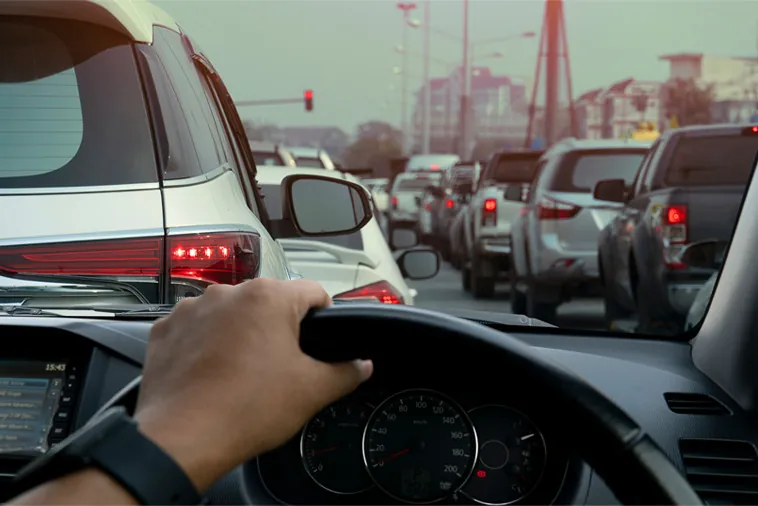
Florida’s roads are known for their heavy traffic, diverse drivers, and year‑round tourism, all of which contribute to unique safety challenges. Whether you’re a resident or a visitor, understanding the state’s road conditions, laws, and common hazards is essential for staying safe behind the wheel. With millions of drivers sharing highways, city streets, and coastal routes, awareness and preparation can make a significant difference. Road safety in Florida isn’t just about following the rules—it’s about anticipating risks and making informed decisions that protect yourself and others.
Understanding Florida’s High‑Risk Driving Conditions
Florida’s climate and geography create driving conditions that differ from many other states. Sudden rainstorms, intense heat, and hurricane‑related weather can all impact visibility and road stability. Wet roads, in particular, contribute to a high number of accidents each year, especially when drivers fail to adjust their speed. Additionally, Florida’s flat terrain and long stretches of highway can lead to driver fatigue, making alertness a critical factor. Being aware of these environmental challenges helps drivers prepare for unpredictable conditions and respond safely when the weather changes.
Navigating Tourist‑Heavy Areas
Tourism plays a major role in Florida’s economy, but it also affects road safety. Popular destinations like Orlando, Miami, and Tampa attract millions of visitors annually, many of whom are unfamiliar with local roads. This can lead to sudden lane changes, missed exits, and slower reaction times. Drivers in tourist‑dense areas should remain patient, maintain safe following distances, and anticipate unexpected maneuvers from others. Understanding that not everyone on the road is familiar with the area can help reduce frustration and prevent collisions.
Staying Informed About State Traffic Laws
Florida’s traffic laws are designed to promote safety, but they can differ from those in other states. For example, Florida enforces strict regulations regarding texting while driving, school zone speeds, and passing stopped school buses. The state also has specific rules for cyclists and pedestrians, who share many of the same roadways. Staying informed about these laws is essential for avoiding violations and ensuring safe interactions with all road users. In the event of an accident, understanding your rights and responsibilities can also be crucial, which is why some individuals seek guidance from legal professionals such as Chris Russo Law when navigating complex traffic‑related issues.
Recognizing the Risks of Distracted and Impaired Driving
Distracted driving remains one of the leading causes of accidents in Florida. With smartphones, navigation systems, and in‑car entertainment, drivers face more distractions than ever before. Even a momentary lapse in attention can lead to serious consequences. Impaired driving is another major concern, particularly in areas with active nightlife or seasonal events. Florida law enforcement takes impaired driving seriously, and penalties can be severe. Staying focused, avoiding alcohol before driving, and planning safe transportation alternatives are essential steps in reducing roadway risks.
Sharing the Road With Vulnerable Users
Florida’s warm climate encourages outdoor activity year‑round, resulting in a high number of cyclists, motorcyclists, and pedestrians on the roads. These vulnerable road users require extra caution from drivers. Motorcycles can be difficult to see, especially in blind spots, while pedestrians may cross streets unexpectedly in busy urban areas. Cyclists often share narrow lanes or ride near traffic, making awareness and patience critical. Giving extra space, signaling clearly, and reducing speed in mixed‑use areas help ensure everyone’s safety.
Conclusion
Road safety in Florida requires a combination of awareness, preparation, and respect for the diverse conditions and road users throughout the state. By understanding local driving challenges, staying informed about traffic laws, and practicing attentive, responsible driving, motorists can significantly reduce risks. Whether navigating busy tourist areas, unpredictable weather, or shared roadways, safe driving habits contribute to a safer environment for everyone on Florida’s roads.
