
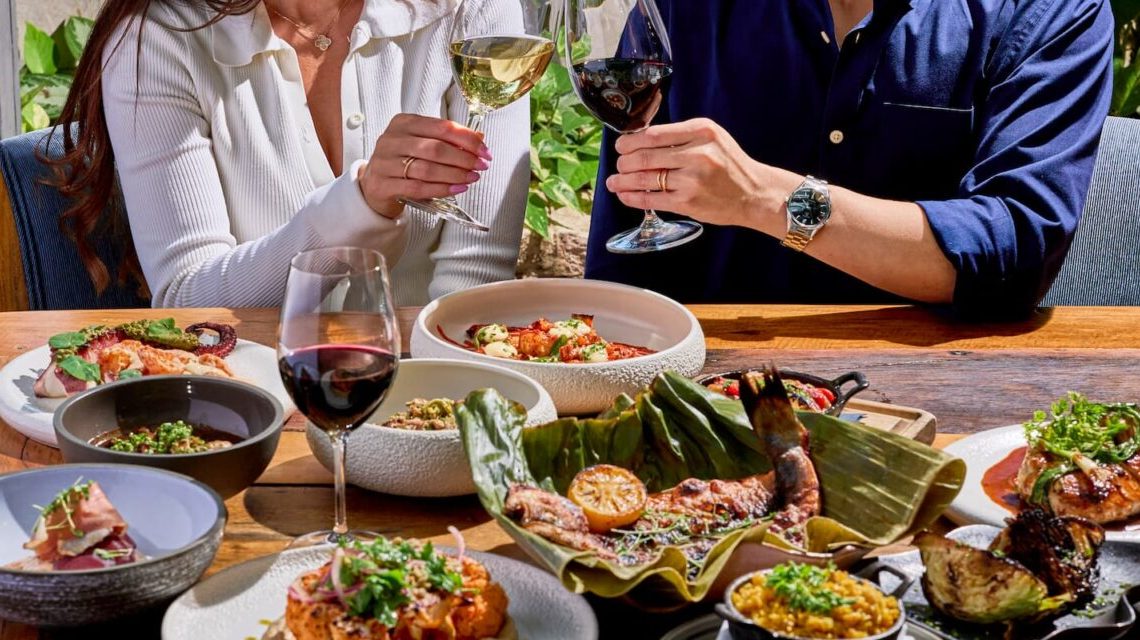
In a city known for vibrant energy, global flavors, and year-round sunshine, it’s no surprise that dining has taken to the skies. Rooftop restaurants are transforming the way people eat, drink, and socialize in Miami. These elevated dining spots do more than serve meals with a view; they represent a shift in how the city approaches hospitality, aesthetics, and food culture. The experience now blends culinary creativity with atmosphere and location, turning an ordinary dinner into a memorable event.
The Allure of the Elevated Experience
Rooftop dining is no longer a novelty in Miami. Venues like MILA Miami rooftop restaurant are among a growing list of places contributing to this shift. These high-rise spots offer not just meals but entire atmospheres that change how people interact with food and with each other. From Brickell to South Beach, rooftops are reshaping the city’s dining geography and elevating its social landscape. They create a sense of escape that resonates deeply with both locals and visitors looking for something fresh yet intimate.
Design, Drama, and Dining
What’s behind the rise of this trend? One reason is Miami’s architectural evolution, where new developments increasingly integrate rooftop spaces into their design. This reflects a demand for more open-air, visually engaging environments. With panoramic views of Biscayne Bay and the downtown skyline, the rooftop becomes more than just a place to eat; it’s a destination in itself. Examples like MILA Miami rooftop restaurant illustrate how these elevated spaces are being embraced across the city. Restaurateurs are using this canvas to introduce natural elements, water features, and live-fire kitchens, making the setting as impressive as the food.
The culinary scene isn’t just going higher—it’s becoming bolder. Chefs are pushing boundaries with presentation and technique, creating dishes that match the drama of their surroundings. Plates often feature vibrant colors, unexpected ingredients, and even interactive elements, such as tableside preparation or smoke effects. These enhancements turn dining into performance, where every course adds to the storytelling. The result is an immersive experience that blurs the line between art and nourishment.
The Power of Atmosphere and Aesthetics
Social media is a major influence on the rooftop movement. These venues are naturally photogenic, with skyline views, elegant plating, and ambient lighting that make them perfect for sharing online. Restaurateurs have noticed, designing with both experience and visibility in mind. Every corner is curated for aesthetic impact, from seating arrangements to lighting choices, contributing to Miami’s reputation as a destination for lifestyle-driven dining.
Beyond their looks, these rooftops are shifting the city’s culinary map. No longer confined to beachfront properties or hotel lobbies, exceptional meals can be found in unexpected vertical spaces. Areas like Wynwood, Edgewater, and Coconut Grove are seeing rooftop concepts pop up, expanding access to unique food experiences. This decentralization encourages locals and tourists to explore new parts of the city by going up, not just out. It also helps diversify the kinds of cuisine and cultural expressions available throughout the city.
Rising with Purpose
Sustainability is quietly becoming a major ingredient in rooftop dining. With more restaurants adopting green practices, rooftops are being used for dining and growing herbs, managing waste, and reducing energy use. These choices may not always be visible to diners, but they reflect a growing awareness of environmental responsibility within the industry. In a city increasingly concerned with climate and resilience, rooftops offer a natural platform for eco-conscious innovation.
It’s clear that rooftop restaurants will continue to shape Miami’s dining identity. They blend architecture, cuisine, and experience in a way that feels forward-thinking and distinctly urban. This movement sets a new bar for the city and other metropolitan areas, watching how Miami reinvents the restaurant scene from the top down. Rooftop dining is no longer just an option; it’s part of the city’s future.
