
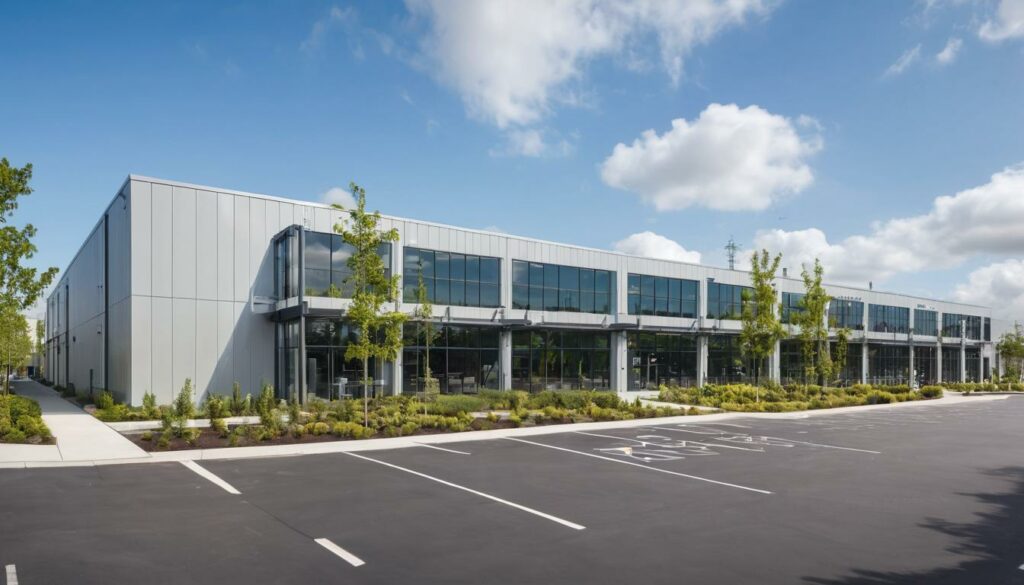
Space has become one of the most valuable commodities in today’s fast-paced, urban world. From growing families to small businesses and even students on the move, people are constantly looking for smarter, more flexible ways to manage their belongings. That’s where self storage builders step in. No longer just about metal units on the edge of town, modern self-storage facilities are designed with innovation, technology, and sustainability at their core. They’re reshaping how we think about space offering secure, efficient, and convenient solutions tailored to modern lifestyles. In this blog, we’ll explore how self storage builders are revolutionizing the industry through cutting-edge designs, smart technology, and sustainable practices that meet the evolving needs of today’s consumers.
Revolutionizing Space: The Role of Self Storage Builders
The Evolution of Self Storage Facilities
Self-storage has transformed dramatically since its modest beginnings in the 1960s. What started as a simple service—metal units on the outskirts of town for people who needed temporary storage—has grown into a multi-billion-dollar industry. Today, self-storage facilities cater not only to individuals but also to businesses, students, travelers, and families navigating major life transitions.
The industry’s growth has been driven by urbanization and lifestyle changes. As cities expand and living spaces shrink, the need for convenient, flexible storage solutions has skyrocketed. Self storage builders have responded by designing facilities that are secure, climate-controlled, and available in a wide variety of sizes. These aren’t just functional spaces anymore; they are thoughtfully engineered to meet evolving consumer demands.
Modern self-storage facilities incorporate innovations such as digital access, enhanced security, and even sustainable building practices. Many now feature climate-controlled units to protect sensitive belongings, while others offer flexible rental terms to cater to short-term users like college students or long-term renters such as small businesses storing inventory. Mini-storage options have also become popular, giving customers just the right amount of space without overspending.
This evolution highlights the vital role of self storage builders. They don’t simply construct buildings; they design experiences that blend accessibility, technology, and functionality, anticipating customer needs in a fast-changing urban landscape.
Key Innovations Driving the Future of Storage
Digital Platforms and Customer Convenience
One of the biggest shifts in self-storage is the integration of digital platforms. Customers can now browse available units, sign contracts, and even unlock their storage spaces from their smartphones. This app-based approach streamlines the process, catering to a generation that values speed and convenience.
Imagine a business owner who needs quick access to inventory late at night. Instead of waiting for office hours, they can use a mobile app to open gates and access their unit instantly. These innovations turn self-storage into a truly on-demand service.
Prefabricated Construction and Green Building
Self storage builders are also transforming how facilities are built. Prefabricated construction methods allow for faster build times, reduced costs, and minimal waste. This not only lowers expenses for operators but also reduces the environmental footprint of new developments.
Sustainability is becoming a major focus. Facilities are increasingly incorporating solar panels, LED lighting, and energy-efficient insulation. By lowering utility consumption, builders help facilities remain environmentally responsible while also reducing long-term operating costs.
Smart Storage and Enhanced Security
Technology has raised the bar for storage security. Facilities are adopting smart sensors that monitor conditions such as temperature and humidity, alerting managers and customers if there’s an issue. This is especially valuable for storing sensitive items like electronics, documents, or artwork.
Advanced security measures—such as biometric access, smart locks, and cloud-connected surveillance cameras—are also becoming standard. Customers gain peace of mind knowing their belongings are protected by the latest technology, while operators can monitor multiple facilities remotely through centralized platforms.
Designing for Functionality: The Art of Creating Efficient Spaces
Adaptive Reuse: Breathing New Life into Old Buildings
One of the most creative trends in self storage construction is adaptive reuse. Instead of building new structures from scratch, many developers are repurposing existing spaces—like warehouses, big-box retail stores, or old factories—into modern storage facilities.
This approach has multiple benefits. It reduces environmental impact, revitalizes neighborhoods, and often preserves historic architecture. For example, a disused industrial warehouse might keep its vintage exterior while its interior is retrofitted with climate-controlled storage units, advanced security, and customer-friendly amenities.
Adaptive reuse also resonates with eco-conscious consumers who want to support companies committed to sustainability. By reimagining existing spaces, self storage builders demonstrate that innovation doesn’t always mean starting from scratch—it can mean finding new value in what’s already there.
Sustainable Construction Practices
The industry is also making strides in eco-friendly construction. Builders are using recycled or locally sourced materials, rainwater harvesting systems, and landscaping that requires minimal irrigation. These choices reduce the carbon footprint of facilities and align with global sustainability goals.
For instance, a facility with solar panels on its roof and LED lighting in every corridor not only saves money on utilities but also appeals to environmentally conscious customers. By blending profitability with responsibility, self storage builders are proving that sustainable construction is both good business and good citizenship.
Smart Technology Integration: A New Era of Storage Security
The Internet of Things (IoT) in Storage
The rise of IoT is changing how storage facilities operate. Sensors track unit occupancy, monitor environmental conditions, and provide real-time data to managers. This allows facilities to run more efficiently while offering customers a better experience.
For example, IoT-enabled kiosks can let a customer rent a unit, pay their bill, and receive digital access codes—all without speaking to a staff member. These automated systems reduce operating costs and allow customers to manage their storage around the clock.
Smart Locks and Next-Level Surveillance
Traditional padlocks are giving way to smart locks that customers can manage from their phones. Many of these locks send instant alerts if tampered with, offering extra reassurance. Temporary access codes can also be issued for friends, family, or delivery personnel, adding flexibility without sacrificing security.
Meanwhile, advanced surveillance systems use high-definition cameras, motion sensors, and cloud storage to keep a constant eye on facilities. Managers can monitor activity remotely, ensuring issues are addressed in real time. These features not only protect customer property but also help operators secure better insurance rates by proving they take safety seriously.
Market Trends and Consumer Needs: Shaping the Future of Self Storage
Understanding Who Uses Self Storage
The customer base for self-storage is remarkably diverse.
- Young professionals and urban dwellers often rent units because of limited living space in cities.
- Families in transition—whether moving, renovating, or downsizing—need temporary storage solutions.
- College students rely on storage during summer breaks or study abroad programs.
- Retirees use storage to downsize while keeping treasured belongings safe.
By analyzing demographics, self storage builders and operators can tailor services to meet specific needs. For example, facilities near universities may offer flexible short-term contracts for students, while those in suburban areas might provide larger units designed for families.
Urbanization and the Growing Demand for Space
As cities grow denser, space is becoming more expensive and harder to find. This trend has fueled demand for nearby storage facilities that are accessible, secure, and convenient.
Self storage builders are responding by placing facilities in central urban areas, sometimes even integrating them into mixed-use developments. Features such as extended access hours, online reservations, and climate-controlled units are particularly attractive to city dwellers who juggle busy schedules and compact living conditions.
The rise of the gig economy and remote work is also shaping demand. Entrepreneurs and freelancers often use storage units as flexible business hubs—for inventory, supplies, or even as mini-distribution centers. Builders who recognize this trend are designing facilities that cater not just to personal storage needs but also to small business operations.
Final Thoughts: Building the Future of Storage
The self-storage industry is no longer about metal containers in faraway lots. It has evolved into a sophisticated ecosystem of convenience, technology, and sustainability—and self storage builders are at the center of this transformation.
By embracing digital platforms, smart technology, adaptive reuse, and green building practices, builders are creating facilities that meet modern demands while anticipating future ones. At the same time, a deep understanding of consumer needs—from urban millennials to retirees—ensures that storage remains accessible and relevant to a wide range of people.
As cities continue to grow and lifestyles become more dynamic, the role of self storage builders will only expand. They are not just constructing facilities; they are reshaping how we think about space, security, and convenience in modern life. In doing so, they are cementing their place as innovators who help people and businesses adapt to an ever-changing world.
