
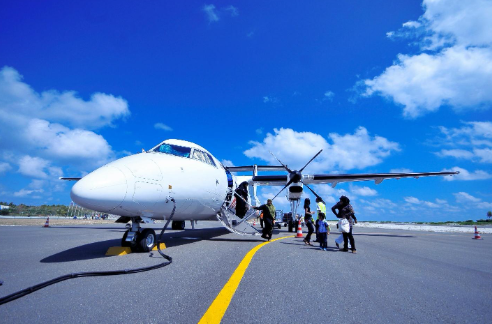
When passengers board an aircraft, they often take for granted the immense effort that goes into ensuring the plane is safe and ready for flight. Behind the scenes, maintenance teams work tirelessly to inspect, repair, and fine-tune every component of the aircraft. Their role is critical—not only for operational efficiency but also for the safety of everyone on board. Understanding what these teams do and why their work matters sheds light on one of the most essential aspects of aviation.
The Complexity of Aircraft Maintenance
Modern aircraft are marvels of engineering, comprising thousands of interconnected systems. From engines and hydraulics to avionics and landing gear, each part must function flawlessly. Maintenance teams follow strict schedules and protocols to check these systems regularly. Routine inspections help identify potential issues before they escalate, ensuring that even the smallest irregularity is addressed promptly. This proactive approach is what keeps flights smooth and safe.
Precision and Compliance with Standards
Aircraft maintenance is governed by stringent regulations set by aviation authorities worldwide. These standards dictate how often inspections occur, what procedures must be followed, and which materials can be used. Compliance is non-negotiable; it ensures that every aircraft meets the highest safety benchmarks. Maintenance teams meticulously document every task, creating a transparent record that regulators and airlines can review. This level of precision is vital for maintaining trust in air travel.
Specialized Fluids and Materials for Reliability
Beyond mechanical checks, maintenance involves using specialized fluids and materials that enhance system performance. For example, hydraulic systems require fluids that can withstand extreme temperatures and pressures without compromising safety. One widely recognized specification is a quality MIL-PRF-5606, a hydraulic fluid known for its stability and fire-resistant properties. Using such high-grade materials ensures that critical systems operate reliably under demanding conditions, reinforcing the importance of detail in maintenance practices.
The Human Element: Expertise and Coordination
While technology plays a significant role, human expertise remains at the heart of aircraft maintenance. Skilled technicians undergo rigorous training to understand complex systems and troubleshoot issues effectively. Coordination among teams is equally important—engine specialists, avionics experts, and structural engineers often work together to keep aircraft in peak condition. This collaborative effort ensures that no aspect of the plane is overlooked, creating a seamless process that supports safe and timely departures.
Conclusion
Aircraft maintenance is far more than a behind-the-scenes task; it is a cornerstone of aviation safety and reliability. Every inspection, fluid replacement, and compliance check contributes to a system designed to protect lives and maintain operational excellence. While passengers may never witness these efforts, they are the reason air travel remains one of the safest modes of transportation. Thanks to the dedication and precision of maintenance teams, every takeoff begins with confidence.
