
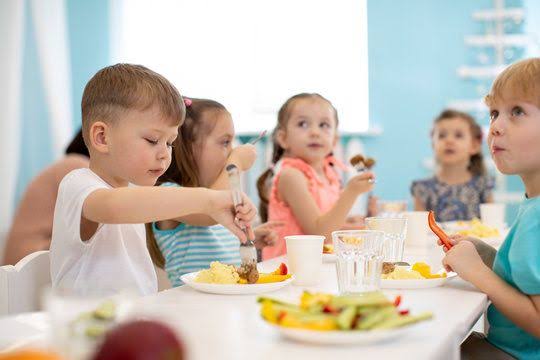
The eating habits children develop during their early years can influence their relationship with food well into adolescence and adulthood. Preschool is an important setting for shaping these habits because children begin making food choices outside the home, observing their peers, and becoming more independent during mealtimes. A well-designed nutrition program can turn everyday meals into opportunities to explore different foods, understand basic nutrition, and develop a positive attitude toward healthy eating without making food choices feel restrictive.
For families evaluating the Best Preschool in San Jose CA, nutrition practices deserve attention alongside classroom instruction, safety, and developmental activities. A quality early learning environment recognizes that healthy eating supports children’s overall well-being and ability to participate in daily activities. Through balanced menus, consistent routines, food-related learning experiences, and positive mealtime interactions, preschool programs can help establish practical habits that children carry into their family lives.
Why Nutrition Education Matters During the Preschool Years
Early childhood is a period of rapid physical growth and development. Children need a variety of nutrients to support bone development, brain function, energy levels, and immune health. However, knowing which foods provide these nutrients is only one part of healthy eating.
Preschoolers are also developing food preferences, learning to recognize hunger and fullness, and becoming more comfortable with unfamiliar tastes and textures. Repeated exposure to different foods in a relaxed environment can make trying new ingredients less intimidating.
Nutrition education at this stage should focus on exploration rather than rules. Children benefit from understanding that different foods contribute to the body’s needs and that balanced eating includes variety.
Practical Ways Preschool Nutrition Programs Encourage Healthy Choices
1. Offer Balanced and Varied Menus
A thoughtful preschool menu should include a range of food groups, such as fruits, vegetables, whole grains, protein sources, and dairy or suitable alternatives.
Variety is particularly important because children may initially reject unfamiliar foods. Serving different fruits, vegetables, and grains throughout the week allows them to encounter new flavors without pressure.
For example, a menu might include oatmeal with fruit, whole-grain sandwiches with vegetables, or rice with beans and cooked greens. Meals should also consider age-appropriate portions, nutritional requirements, cultural preferences, and individual dietary needs.
2. Make Food Exploration Part of Classroom Learning
Nutrition education becomes more meaningful when children can connect discussions with practical experiences.
Teachers can introduce activities such as sorting fruits and vegetables by color, identifying different food textures, or discussing where common ingredients come from. A classroom garden can provide another opportunity to observe how plants grow and how fresh produce reaches the table.
Simple cooking activities, with appropriate supervision, also introduce basic food preparation skills. Washing vegetables, mixing ingredients, or assembling a fruit salad helps children develop familiarity with nutritious foods.
3. Establish Positive and Consistent Mealtime Routines
The atmosphere surrounding meals can influence how children respond to food. Predictable schedules, comfortable seating, and sufficient time to eat allow preschoolers to develop independence.
Educators can model healthy eating by participating in meals and speaking positively about different foods. Children also learn through observation, so seeing adults enjoy a variety of ingredients can encourage curiosity.
Importantly, staff should avoid forcing children to finish everything on their plates. Respecting hunger and fullness cues helps children gradually develop a healthier understanding of their appetite.
4. Encourage Peer Learning Without Food Pressure
Preschool children often observe and imitate their classmates. Sitting together during meals creates opportunities to notice different foods and learn from positive peer interactions.
A child who is hesitant to try a vegetable may become curious after seeing another child enjoy it. However, encouragement should remain gentle. Food should never become a reward, punishment, or source of embarrassment.
Important Factors in Planning a Preschool Nutrition Program
An effective nutrition program must accommodate more than general dietary guidelines. Children’s individual circumstances and developmental needs should guide menu planning and mealtime procedures.
Important considerations include:
- Food allergies: Maintain accurate allergy records and prevent cross-contact during food preparation and serving.
- Dietary restrictions: Consider medical, cultural, and family-specific dietary requirements.
- Food safety: Follow proper storage, preparation, handwashing, and age-appropriate serving practices.
- Developmental readiness: Offer suitable textures, manageable portions, and foods prepared to reduce choking risks.
- Family communication: Share menus and discuss changes in dietary needs with parents.
Programs should also recognize that food preferences vary considerably. A nutritious meal plan needs flexibility without compromising food safety or nutritional balance.
How Parents and Preschools Can Work Together
Healthy eating habits are easier to reinforce when children encounter consistent messages at school and home. Parents can ask about weekly menus, discuss new foods introduced in the classroom, and involve children in selecting produce during grocery shopping.
Families can also recreate simple classroom activities at home, such as washing vegetables or identifying different food groups while preparing dinner.
Parents interested in exploring the school’s educational environment can view its location on Google Maps and arrange a visit to learn more about its approach to nutrition and daily routines.
Common Questions About Preschool Nutrition Programs
How can preschools encourage picky eaters?
Repeated, pressure-free exposure to unfamiliar foods can help children become more comfortable with different flavors and textures. Offering small portions alongside familiar foods is a practical starting point.
Should children be required to finish their meals?
No. Children should generally be encouraged to recognize their own hunger and fullness signals rather than being required to clean their plates.
How often should preschoolers try new foods?
There is no universal schedule. Offering variety regularly and reintroducing previously rejected foods without pressure can gradually expand children’s food preferences.
Establishing Healthy Habits Through Everyday Meals
Preschool nutrition programs do more than provide food during the school day. They create opportunities for children to explore ingredients, develop independence, observe positive eating behaviors, and understand the importance of dietary variety. When educators combine balanced menus with supportive mealtime routines and practical nutrition activities, healthy eating becomes a natural part of early learning. These experiences can help children build a more positive relationship with food while giving families useful habits to reinforce at home.
