
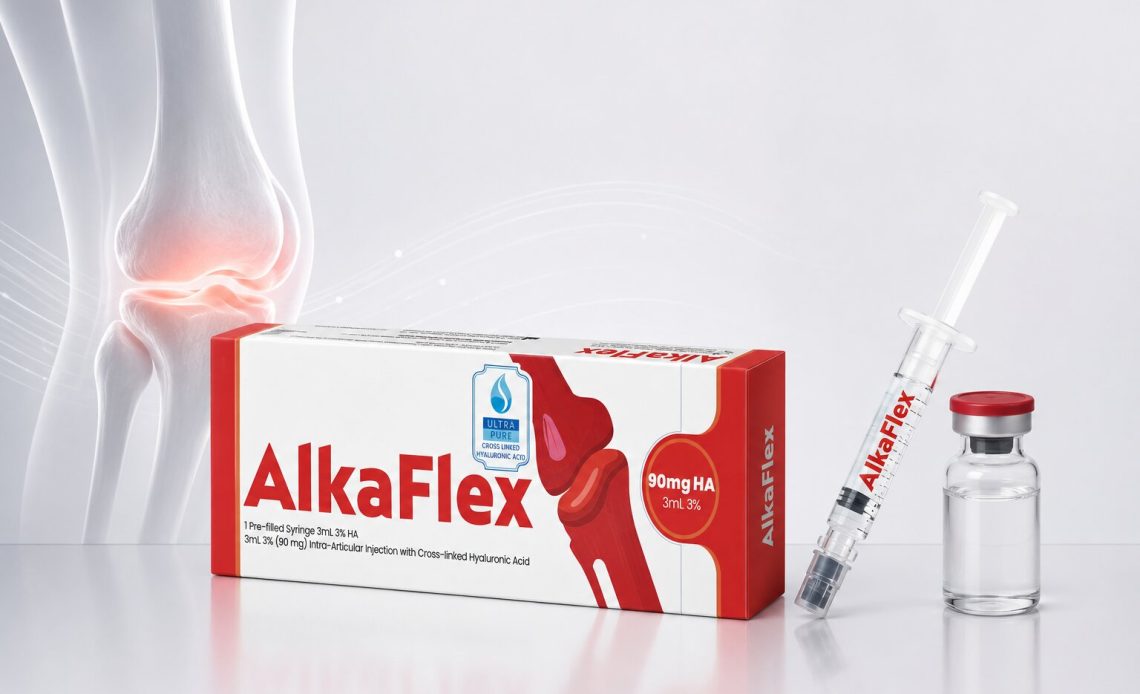
Raw hyaluronic acid metabolizes within hours inside the human body. Natural enzymes hunt down and break apart this linear sugar molecule rapidly, which makes unmodified HA completely useless for structural volume replacement. Scientists solve this inherent problem by chemically modifying the natural molecule to resist immediate degradation. This targeted structural alteration forms the absolute foundation of modern hyaluronic acid (HA) dermal fillers. We are looking at a complex balance between synthetic chemistry and tissue physics; the goal is to create a gel that can be pushed smoothly through a tiny needle but still hold a distinct, firm shape under the skin. Clinical success depends heavily on filler rheology. Physicians must consider how a gel deforms and flows under sheer stress to predict exactly how it will behave once integrated into living tissue. Injectable gel dynamics dictate whether a product will project sharply like native bone or spread softly like subcutaneous fat.
The Mechanics of Molecular Bonds
Linear chains of HA glide freely past each other in their natural state. Manufacturers utilize cross-linking technology to bind these individual chains together into a solid, three-dimensional network. The most common synthetic agent for this binding process is 1,4-butanediol diglycidyl ether; researchers and chemists refer to this simply as BDDE cross-linking. The BDDE molecules act like tiny structural bridges between the parallel HA strands. The degree of cross-linking directly determines the physical stiffness and resilience of the resulting gel. Formulations built with thousands of these microscopic bridges become firm and robust. Formulations containing fewer bridges remain relatively soft and highly pliable.
We must also draw a clear distinction between free HA vs cross-linked HA within the syringe itself. Most commercial products purposefully include a small percentage of unlinked, free HA to act as an internal lubricant. This extra fluid phase helps the thicker, cross-linked gel network extrude easily through a narrow gauge needle without requiring excessive manual force. A 2020 rheological study published in the Journal of Cosmetic Dermatology confirmed that minor variations in this specific ratio alter both extrusion force and tissue integration dramatically. The laboratory data indicated that higher ratios of unlinked fluid reduce friction during the injection process but may slightly decrease the immediate lifting capacity once the product settles.
Sourcing the Right Structural Tools
Medical professionals rely heavily on a consistent, predictable supply of these highly engineered medical devices. A reliable supply of the proper formulations ensures that practitioners possess the exact rheological profiles required for wildly diverse patient presentations. The modern aesthetic market offers an immense variety of specific dermal fillers. Those who manage clinic inventory often order dermal fillers for aesthetic clinics to keep a comprehensive, reliable range of these sophisticated gels readily on hand. A consistent inventory of dermal fillers consists of sterile, pre-filled syringes containing non-animal sourced, stabilized hyaluronic acid suspended in a balanced physiological buffer. The products operate strictly as regulated medical devices and are carefully calibrated for specific tissue depths, relying on precise molecular weights and modifications designed to perform safely and predictably within the human body. Immediate access to various dermal fillers allows a clinic to tailor treatments down to the millimeter rather than relying on an ineffective, generalized approach.
Measuring the Metrics in the Laboratory
Rheologists quantify filler characteristics using specific mathematical values. The elastic modulus, denoted as G-prime, measures a gel’s ability to recover its shape after shear deformation. Products with a high G-prime are firm and hold their ground under pressure. The viscous modulus, denoted as G-double prime, measures the fluid-like behavior and inability to bounce back. The ratio between these two properties is the tangent delta. A low tangent delta indicates a highly elastic, solid-like gel, while a high tangent delta indicates a more viscous, syrup-like fluid. Manufacturers manipulate these specific variables during the heating and mixing phases of production. Chemists carefully alter the temperature and the concentration of the BDDE molecules to engineer a product designed explicitly for the deep fat pads or one engineered strictly for the superficial dermis. Scientists evaluate the force required to push the material out of a standard syringe. High extrusion forces cause hand fatigue for the physician and increase the risk of uneven product placement. Advanced cross-linking technology focuses heavily on reducing this extrusion force while maintaining high elastic modulus inside the tissue. The balance requires intense precision at the molecular level.
Physical States of the Gel under Pressure
Two primary manufacturing methods dictate the final texture and behavior of the product. The aesthetic industry broadly classifies these variations as monophasic vs biphasic fillers. A biphasic gel contains highly cross-linked microscopic particles suspended in a non-cross-linked carrier fluid; it behaves somewhat like a mixture of wet sand and water. A monophasic gel consists of a single, uniform, cohesive mass that acts more like a continuous block of thick jelly. When laboratory technicians evaluate monophasic vs biphasic HA gels under a rheometer, they note distinct mechanical differences in how the materials behave under applied pressure. Biphasic formulas often register a higher elastic modulus, which translates directly to superior lifting capacity for deep structural work near the bone. Monophasic formulas tend to offer higher cohesivity, meaning they hold their shape together remarkably well during repeated muscle contraction.
A completely separate comparison exists between highly cross-linked vs lightly cross-linked fillers. Stiff, highly linked gels resist downward deformation perfectly when placed under the heavy weight of thick skin. Soft, lightly linked gels integrate smoothly into delicate, thin-skinned areas without causing visible lumps or surface irregularities. Practitioners must also account for the physical reality of gel swelling and water uptake. Hyaluronic acid is an intrinsically hydrophilic molecule by nature. Some specific formulations expand significantly over the weeks following injection as they actively draw in surrounding tissue fluid; practitioners must under-correct slightly when utilizing these specific products to avoid late-onset puffiness.
Anatomy, Layering, and Biomechanics
Physicians matching filler to facial anatomy require a deep, uncompromising appreciation of human biomechanics and tissue architecture. The face operates as a highly dynamic structure featuring distinct fascial layers, isolated fat pads, and aggressive musculature. Placement depth matters just as much as the actual product choice. Clinicians must choose appropriately between superficial vs deep injection planes based strictly on the target area. A heavy, stiff gel placed too superficially results in visible nodules, a bluish Tyndall effect, and a completely unnatural appearance. A thin, soft gel injected deeply into the tissues simply wastes the product, as it lacks the mechanical lifting capacity to push the overlying anatomical structures upward against gravity.
We can look closely at specific anatomical challenges across different facial regions to see these principles in action.
- The periorbital region requires extreme caution. The tear trough demands a very low viscosity, lightly bound product with absolute minimal water affinity to prevent prolonged edema in the notoriously delicate under-eye skin.
- The midface operates on different physics entirely. The cheek requires a robust, structurally firm gel placed deeply over the periosteum to accurately mimic the hard projection of the native zygomatic bone.
The lower third of the face presents an entirely different set of mechanical requirements. The lips, tear trough, cheek, and jawline treatment zones all require distinctly customized approaches that respect local tissue dynamics. The jawline needs a sharp, highly reticulated product that will refuse to migrate under the continuous, heavy stress of the masseter and platysma muscles. Conversely, the mouth demands high flexibility. Facial movement and tissue mobility must dictate the choice for any perioral injections. When a patient smiles, speaks, or eats, the perioral tissues stretch drastically in multiple directions. A stiff gel placed in the vermilion border will look rigid, blocky, and artificial during normal conversation. A highly cohesive, monophasic product flexes naturally with the orbicularis oris muscle and returns gracefully to its original shape without structural failure.
Time and Tissue Response
All unmodified and modified HA products are fundamentally temporary implants. Filler longevity and degradation depend on a complex, ongoing interaction between the specific properties of the injected gel and the patient’s unique biological environment. Endogenous hyaluronidase enzymes constantly attack the synthetic polymer network inside the body. Densely modified gels resist this enzymatic breakdown much longer than softer, less cohesive products. Mechanical sheer stress also plays a massive role in the degradation timeline; fillers placed in highly mobile areas like the lips break down significantly faster than the exact same product placed deeply over an immobile cheekbone. Macrophages eventually clear the fragmented sugar chains from the local tissue completely.
Certain gels exhibit a phenomenon called isovolemic degradation. The polymer chains inevitably break down over several months. The remaining intact chains simultaneously bind more water molecules to compensate for the lost volume. The visible clinical result appears stable even while the actual amount of hyaluronic acid drops steadily. The patient maintains their desired aesthetic outcome for a longer period before requiring a repeat treatment. This biological behavior proves highly advantageous in large volume corrections.
Safety remains the primary, overriding advantage of this specific material class. The exact chemical structure of the polymer chain permits hyaluronidase reversibility. If a practitioner inadvertently injects the gel directly into a facial blood vessel, they can immediately flood the surrounding area with recombinant hyaluronidase to dissolve the physical blockage. This exogenous enzyme cleaves the glycosidic bonds in the HA backbone aggressively, turning a thick, obstructive gel into a harmless thin liquid almost instantly. This critical safety net simply does not exist with alternative injectables like calcium hydroxylapatite or poly-L-lactic acid formulations. The absolute ability to reverse a severe aesthetic complication is exactly why hyaluronic acid continues to dominate the global medical aesthetics market. Practitioners can correct minor overfilling or address severe vascular compromise safely, provided they recognize the signs and act quickly.
