
A puzzle habit can be a simple way to create a quieter, more focused moment in a full day. Whether you prefer crosswords, Sudoku, logic grids, word searches, or variety books from Penny Dell Puzzles, the goal is not to solve the hardest challenge possible. It is to find a format you genuinely look forward to returning to.
The most sustainable approach is small, flexible, and enjoyable. Puzzles can give you an opportunity to practice attention, recall, pattern recognition, and problem-solving, but they work best as one part of a balanced routine that also leaves room for sleep, movement, learning, meals, and relationships.
Why Puzzle Habits Work
Puzzles give your mind a defined task with a clear next step: find a word, test a number, spot a pattern, or eliminate an option. That structure can make a short break feel purposeful without requiring a large block of time. Still, it helps to keep expectations realistic. Doing puzzles is not a guaranteed way to prevent memory loss, dementia, or any medical condition.
Brain health is influenced by many factors. Physical activity, meaningful engagement, and attention to overall health are all part of the broader picture, a view that connects with research on cognitive reserve. A puzzle can complement those habits, rather than carry the entire load.
Choose The Right Puzzle
Match the puzzle to the moment. A good choice feels engaging enough to hold your attention, but not so demanding that you avoid opening the book.
- For a quick break: Pick a short word search, mini crossword, or simple number puzzle.
- For deeper focus: Try a longer logic puzzle, a cryptogram, or a detailed visual challenge.
- For relaxation: Choose a familiar format with rules you already understand.
- For families: Use puzzles with clear instructions and clues that invite more than one person to contribute.
- For older adults: Look for large print, strong contrast, spacious layouts, and pages that are comfortable to handle.
Start With Small Sessions
Begin with 10 to 15 minutes at a regular time, such as after breakfast, during an afternoon pause, or before dinner. Stop while you still want to continue. This makes tomorrow’s session easier to begin.
Consistency matters more than completing a difficult puzzle every day. Once a short routine feels natural, add a few minutes, or try a longer challenge on a day when your schedule allows.
Create A Comfortable Space
A welcoming setup removes small barriers that can interrupt the habit. Use good lighting, a supportive chair, and a stable table or desk. Keep a pencil, eraser, reading glasses, and a drink nearby. A folder, tray, or portable container makes it easy to protect unfinished work without turning a shared surface into permanent clutter.
Consider silencing notifications during puzzle time. For people who want a break from constant scrolling, a hands-on activity can offer a calmer alternative. Cleveland Clinic describes how tech-free hobbies can help people unwind, while also emphasizing that the activity should not become a source of frustration.
Build A Weekly Routine
Variety keeps a puzzle habit from feeling like another obligation. Try this loose weekly rhythm:
- Monday: Start with an easy puzzle.
- Tuesday: Choose a different puzzle type.
- Wednesday: Take a brief puzzle break during a busy day.
- Thursday: Attempt something slightly more challenging.
- Friday: Share a puzzle with a friend or family member.
- Weekend: Set aside more time for a favorite format or experiment with a new one.
If you miss a day, simply restart the next day. A flexible routine survives real life better than a perfect streak.
Keep The Hobby Balanced
Enjoyment is the measure of success. Take a break if your eyes, hands, neck, or attention feel tired. Switch between easy and challenging puzzles, and do not turn every session into a race unless competition makes it more fun. It is fine to leave a difficult page unfinished and return to it later with fresh eyes.
Pair puzzle time with other supportive habits. Stand up and stretch when you finish a page, drink water, take a short walk, or use the session as a transition before preparing a meal or calling someone you care about.
Make Puzzles Social
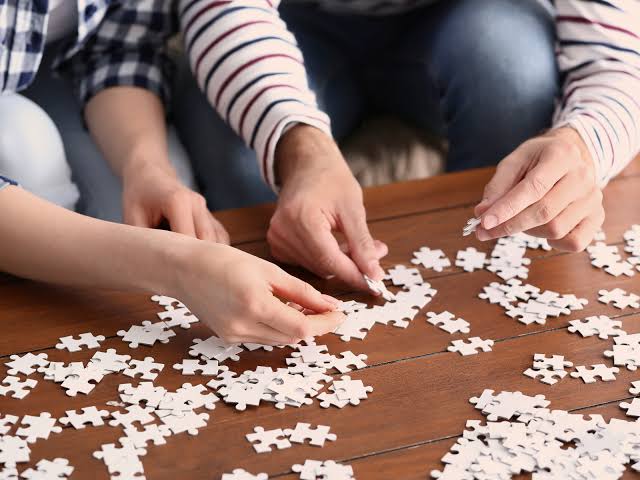
Puzzles do not have to be solitary. Work through clues with a partner, let family members pick the next format, or host a casual puzzle night. Comparing solving methods can be more enjoyable than comparing speed. Shared puzzling also gives people an easy conversation starter during visits, travel, or quiet gatherings.
Avoid Common Mistakes
- Starting with a puzzle that is much too difficult.
- Expecting dramatic results after only a few sessions.
- Using puzzle time to avoid sleep, exercise, or necessary responsibilities.
- Letting an unfinished puzzle create pressure.
- Buying more books or apps than you can realistically use.
- Ignoring poor lighting, uncomfortable seating, or eye strain.
Try A Simple Seven-Day Plan
- Day One: Solve an easy puzzle for 10 minutes.
- Day Two: Repeat at the same time of day.
- Day Three: Try a different type of puzzle.
- Day Four: Notice whether the session feels calming, stimulating, or frustrating.
- Day Five: Invite someone else to join you.
- Day Six: Spend 15 to 20 minutes on a longer challenge.
- Day Seven: Review what you enjoyed and choose a realistic plan for the next week.
Final Takeaway
A balanced puzzle habit should feel inviting, not demanding. Easy puzzles still count, paper and digital formats can both work, and a frustrating challenge can always wait for another day. The best routine is the one that fits your life, supports regular moments of focus, and leaves plenty of space for rest, movement, learning, and connection.
