
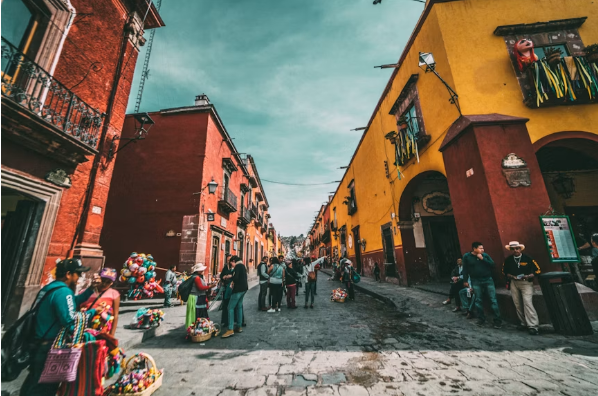
Mexico’s early months reveal a different side of the country—one where destinations feel more relaxed without sacrificing warmth or adventure. Once the holiday rush fades, Mexico in January and February offers travelers a welcome change of scenery, with generally dry weather in many popular destinations and opportunities to visit between major vacation peaks.
If you’re browsing flight deals to Mexico in December, the first step is choosing what you want from the trip. A Caribbean beach stay, a Pacific wildlife outing, and a city break offer distinct experiences, even within the same winter travel window.
Why January and February hit the sweet spot
These months sit within the dry season across much of Mexico’s central highlands and popular coastal regions. Warm beach days contrast with the cooler mornings and evenings of inland cities, creating options for travelers who want either ocean time or long afternoons exploring neighborhoods.
For those considering the best time to visit Mexico, the appeal is the balance between weather and atmosphere. Here, “low season” refers to quieter windows after the holiday rush. The broader winter season still draws visitors to the coasts, and the experience varies by destination and week.
- Early January: A trip to Mexico in January can still overlap with holiday vacations, especially during the first week.
- Between holiday peaks: Later January and parts of February offer windows when some destinations feel less crowded than during the year-end rush.
- Festival and long-weekend dates: US holiday weekends, Mexican public holidays, and Carnaval celebrations can create pockets of heavier demand.
Warm beaches for a winter reset
The Mexican Caribbean
Cancún and the Riviera Maya combine pale sand and Caribbean water with access to cenotes and Maya archaeological sites. Cancún suits travelers who want a beach-centered base, while Playa del Carmen offers a walkable downtown alongside its coastline. A few days here can move naturally between the shore and the peninsula’s inland landscapes.
The season is generally drier than summer, although passing showers and winter cold fronts can bring wind or cooler days. That variation gives the region a more nuanced winter character than an uninterrupted stretch of tropical heat.
Puerto Vallarta
Puerto Vallarta brings together Banderas Bay, hillside neighborhoods, and a city center that rewards wandering. The Malecón connects waterfront views with public art, while the streets beyond lead to galleries, cafés, and places serving regional food. A stay here can feel equally shaped by the town and the sea.
Winter’s typically dry days make outdoor dining and coastal exploring particularly appealing. Evenings are cooler, and the Pacific has a different feel from the Caribbean, with swimming conditions varying by beach.
Mazatlán
Mazatlán offers broad stretches of sand alongside a historic center with restored buildings, plazas, and a thriving seafood culture. The waterfront promenade gives the city a strong connection to the ocean, while its older neighborhoods bring a distinctive architectural setting to a beach trip.
January and February generally bring sunny afternoons and cooler nights. Carnaval adds a lively dimension when its dates overlap with a visit, transforming parts of the city through parades, music, and celebrations.

Whale watching on the Pacific coast and Baja California
Winter also brings a seasonal reason to look beyond the shoreline. Humpback whales migrate to Banderas Bay, where the usual viewing season runs from December through March. Their surfacing, tail movements, and occasional breaches make a boat outing a compelling complement to a Puerto Vallarta stay.
Farther northwest, Los Cabos combines desert scenery with a whale-watching season generally extending from December through April. Its position near the meeting of the Pacific and the Sea of Cortez creates a striking backdrop for observing humpbacks and other marine life.
Cities to explore in milder weather
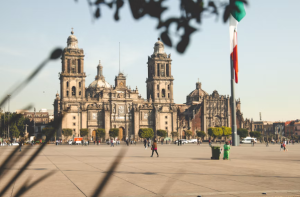
- Mexico City’s winter rhythm suits museum visits, neighborhood walks, and afternoons in Chapultepec. Its elevation brings crisp mornings and cool evenings, with daytime conditions often comfortable for exploring. The city’s scale also means a visit can revolve around one interest, from art and architecture to markets and contemporary food.
- Guadalajara offers historic plazas, regional cooking, and a close connection to Jalisco’s craft and musical traditions. Nearby Tlaquepaque adds galleries and artisan workshops to an urban stay. Generally dry winter days make it appealing to move between cultural interiors and the streets around them.
- Merida stays warmer than the central highlands, but winter generally brings less intense heat than late spring. Its historic center, Yucatecan cuisine, and evening activity give it an appealing daily rhythm. Excursions to cenotes and Maya sites expand the experience beyond the city without making the beach its main attraction.
How to plan from December
- Prepare two date combinations: Compare departure and return pairs that work with everyone’s calendar, allowing for local festivals and holiday weekends.
- Include weekday travel: Review midweek flights alongside weekend options. Compare schedules and availability within your travel window, keeping the full itinerary in view.
- Coordinate flights and lodging: Confirm suitable accommodations before committing, and account for airport transfers, baggage, and any planned activities in the total trip budget. For a short stay, the time between landing and reaching your accommodation matters as much as the flight schedule.
- Check documents early: Every air traveler needs a valid passport book. US citizens generally visit visa-free for short tourist trips; review current official entry guidance for each traveler’s nationality and remember that immigration officials determine the authorized stay.
- Choose excursions carefully: For whale watching, use authorized operators, confirm seasonal operating dates, and review weather-related cancellation terms and wildlife-viewing practices. Remote wildlife destinations require additional transport planning.
Frequently asked questions
How many days should I allow for a first winter visit?
Four or five full days can work well for one city or beach base. Allow more time for a second destination, particularly when a transfer takes up much of a day.
Can young children join a whale-watching tour?
Age policies vary by operator and vessel. Ask about minimum ages, child-sized life jackets, boarding arrangements, and the outing’s duration before reserving.
Do I need a rental car for a city stay?
A central location can support a trip organized around walking and local transportation. A rental car may be useful for countryside excursions; consider parking and the destinations you want to reach.
Your winter escape awaits
The dry season delivers reliable weather, the crowds thin out after the holidays, and nature provides spectacular shows from whale migrations to perfect beach days. Whether you’re drawn to the turquoise waters of the Caribbean, the dramatic Pacific coast, or the cultural richness of colonial cities, these months offer the best of what Mexico provides.
The combination of comfortable temperatures, fewer tourists, and natural phenomena like whale watching creates a window that savvy travelers have learned to appreciate. Mexico in January and February isn’t just about escaping winter—it’s about experiencing the country when conditions align perfectly for exploration, relaxation, and discovery.
