
Key Takeaways
- Garage doors deserve a place in every Estero hurricane-preparation plan.
- Routine checks should include panels, tracks, rollers, seals, hinges, locks, and opener functions.
- Loose hardware, corrosion, uneven movement, and unusual noises should be addressed before severe weather arrives.
- Some older doors may benefit from approved reinforcement, while others may be better candidates for replacement.
- Trained garage door professionals should handle springs, cables, and off-track doors.
In Estero, Florida, a garage door has to contend with humid air, driving rain, strong thunderstorms, and the possibility of tropical weather. Scheduling Estero garage door repair before a storm is approaching can help homeowners address worn parts and safety concerns while there is still time to make informed decisions. A garage door is often one of the largest exterior openings in a home. When it is loose, damaged, or poorly secured, wind and rain can more easily enter the garage. A practical preparation plan focuses on early inspections, approved upgrades when needed, and safe maintenance throughout the year.
Why Garage Doors Matter During Estero Storms
Southwest Florida homeowners know that severe weather can develop quickly during the warmer months. High winds can place substantial force on doors, windows, roofs, and other exterior components. The National Weather Service identifies the garage door as a vulnerable part of the home during hurricane preparation, making its condition worth checking well before a watch or warning is issued. If a garage door is damaged or forced out of position, the garage may be exposed to wind-driven rain and debris. That does not mean every door needs to be replaced, but it does mean small maintenance issues should not be ignored. Local wind requirements, product approvals, and installation rules can vary, so homeowners should confirm which standards apply to their specific property in Estero.
A Simple Garage Door Inspection Checklist
A basic visual inspection can reveal concerns early. With the door closed and the area clear, look over the system for visible wear, loose parts, or changes in how the door operates.
- Check panels for cracks, dents, rust, bending, or separation between sections.
- Look at tracks for bends, gaps, loose fasteners, and signs that the track has shifted.
- Watch for worn rollers, rough movement, or wobbling as the door travels.
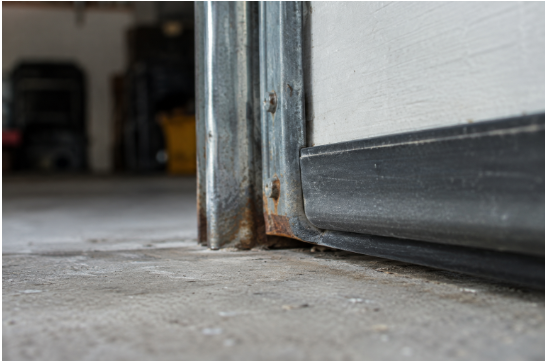
- Inspect hinges, brackets, and connectors for corrosion, missing fasteners, or looseness.
- Examine the bottom seal for splits, gaps, flattening, or signs of water entering beneath the door.
- Test the opener, wall control, photo-eye sensors, and manual lock according to the manufacturer’s instructions.
- Make sure the emergency release cord is accessible in case a power outage affects the opener.
Do not attempt to adjust springs, cables, or other high-tension components. A garage door is heavy, and its components can cause serious injury when serviced incorrectly.
Common Weak Points to Watch
Small defects can become more serious when wind and rain increase pressure on the door system. Loose track fasteners may allow movement where the door should remain stable. Worn rollers can make the door travel unevenly. Corroded hinges and brackets may no longer provide the same reliable connection they once did. Pay attention to a door that shakes while moving, makes new grinding or scraping sounds, stops unevenly, or leaves visible daylight around the edges when closed. Other warning signs include water beneath the bottom seal, a door that reverses without an obstruction, or a panel that appears bowed or misaligned. These are reasons to arrange an inspection rather than waiting for the next storm forecast.
Garage Door Reinforcement Options
The right solution depends on the door’s age, condition, design, and installation. A professional assessment can help determine whether repairs, reinforcement, or replacement is the sensible path.
- Professional inspection: A technician can assess mechanical wear, mounting points, track condition, and visible structural concerns.
- Targeted repairs: Replacing damaged rollers, hinges, brackets, seals, or hardware may improve safe operation when the door itself remains in good condition.
- Approved bracing: Some doors can accept reinforcement systems designed for that model and configuration.
- Replacement: A severely corroded, repeatedly damaged, or outdated door may be a better candidate for a new system.
Avoid improvised braces, random lumber, or hardware that was not designed for the door. Miami-Dade County advises homeowners to reinforce garage doors and tracks or replace them with hurricane-tested doors, which highlights the value of using compatible, purpose-built solutions.
When to Consider a Wind-Rated Door
A wind-rated door may deserve serious consideration if the current door has extensive rust, weakened panels, recurring operational problems, or no clear documentation of its performance rating. Ask for product labels, installation instructions, and applicable approval information before selecting a replacement. Wind-rated and impact-resistant are related but different descriptions. A wind-rated door is designed for specified wind-pressure performance. An impact-resistant product is also tested to address debris impacts. The appropriate choice depends on the property location, local requirements, insurance considerations, and the door system being installed.
A Practical Maintenance Plan
Before Hurricane Season
- Inspect the door and schedule service for visible damage or unreliable operation.
- Locate product labels and keep installation or warranty documents in a dry, accessible place.
- Check the bottom seal, mounting hardware, opener controls, and emergency release.
- Clear stored items away from tracks, the opener area, and the path of the door.
During Monthly Checks
- Watch the door open and close from a safe distance.
- Listen for changes in noise or movement.
- Test photo-eye sensors and confirm the opener reverses as intended.
- Look for new gaps, moisture, corrosion, or loose fasteners.
After Heavy Weather
- Check for bent tracks, shifted hardware, damaged panels, and water intrusion.
- Do not operate a door that appears off track, bowed, or unstable.
- Take photos of visible damage from a safe location before cleanup or repairs.
What to Do Before a Storm
When severe weather is expected, close the garage door fully and make sure it is secured according to its normal operating instructions. Bring in loose outdoor items, move valuable belongings away from the door when practical, and keep vehicles positioned so they do not obstruct an exit. Follow local emergency instructions and avoid outdoor repairs during strong winds, lightning, or flooding.
Storm Preparation Mistakes to Avoid
- Waiting until a storm warning is issued to schedule needed repairs.
- Ignoring new noises, uneven travel, rust, or loose hardware.
- Using a vehicle as a brace against the garage door.
- Adding unapproved braces without confirming compatibility.
- Locking the door manually while the opener is still active.
- Assuming a newer-looking door automatically meets current local requirements.
- Operating a visibly damaged door after a storm.
Frequently Asked Questions
How often should a garage door be inspected?
Perform basic visual checks throughout the year and complete a more thorough review before hurricane season. Arrange professional service when the door becomes noisy, uneven, damaged, corroded, or difficult to operate.
Can every garage door be reinforced?
No. Some doors can accept compatible reinforcement, while others may be too damaged, old, or unsuitable for a practical upgrade. A professional evaluation can help identify the safer option.
What should happen if a garage door is damaged after a storm?
Keep people and vehicles away from the affected area, avoid operating the door, document damage when safe, and arrange an inspection. Contact an insurance provider if the damage may be part of a claim.
Conclusion
Preparing an Estero garage door for hurricane season does not have to be complicated. Start with regular visual checks, address wear before it becomes urgent, use approved repair or reinforcement options, and leave high-tension or structural work to trained professionals. Check the springs, cables, rollers, tracks, hinges, weather seals, and opener for visible damage or unusual movement, and make sure the door closes and locks properly. Homeowners replacing a door should also confirm the required wind-pressure rating and installation requirements for the property. It is also helpful to keep the garage area clear of loose items that could become hazards during strong winds. Taking care of these details before a storm is approaching gives you more time to arrange repairs and address problems safely. A well-maintained garage door is one more important part of a thoughtful Florida storm-preparation plan.
