
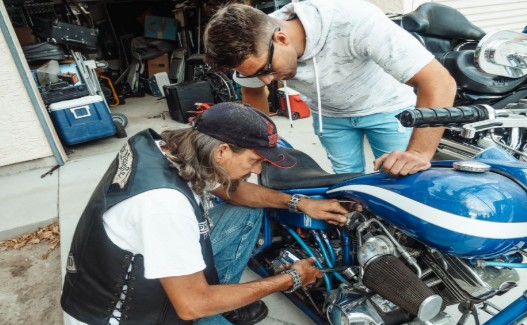
Motorcycle repair is an intricate balancing act of art and science, demanding not only technical expertise but also a craftsman’s touch. Whether it’s a routine check-up or a complex overhaul, the importance of a trusted service cannot be overstated. In this landscape, Ban Hock Hin – Trusted Motorcycle Repair stands out as a key player, providing a benchmark for quality and reliability in motorcycle maintenance.
Understanding Motorcycle Mechanics
At the heart of motorcycle repair lies a deep understanding of mechanics. The sheer variety of models and makes requires a mechanic to have both a general grasp and specific expertise. Elements such as engines, brakes, transmissions, and electrical systems vary significantly and demand meticulous attention. A professional technician must differentiate between the nuances of a two-stroke engine versus a four-stroke engine, understanding the individual intricacies that govern their performance.
Diagnosing Issues: A Systematic Approach
Effective motorcycle repair begins with a precise diagnosis. This step involves systematic troubleshooting, from visual inspections to more intricate electronic diagnostics using advanced tools. Mechanics often rely on their accumulated wisdom, often looking beyond the obvious, as many problems are interconnected, making them elusive to pinpoint at first glance. Simple issues like a misaligned front wheel might indicate deeper, underlying problems in the frame or suspension.
Routine Maintenance and Its Importance
Routine maintenance is essential for both performance optimisation and the longevity of any motorcycle. Regular tasks like oil changes, chain maintenance, and tyre inspections are the backbone of good motorcycle care. A neglected chain could lead to serious malfunctions or accidents, as could brake systems not kept in ideal condition. Scheduling regular maintenance checks aids in precluding major repairs, ensuring that minor issues are corrected before they evolve into significant problems.
The Role of Technology in Modern Repairs
In recent years, technology has dramatically altered the landscape of motorcycle repair. Computerised diagnostics and management systems have augmented the capabilities of technicians, providing them with tools such as digital micron gauges and electronic service manuals. This technological revolution allows mechanics to access vast databases of information quickly, enhancing their ability to perform precise repairs and track detailed service histories.
Parts Replacement and Customisation
Parts replacement is another critical aspect of motorcycle repair. Given the high-performance nature of motorcycles, using original or high-quality replacement parts is crucial. Mechanics must ensure compatibility and adhere to the specifications defined by manufacturers to maintain safety and performance standards. Customisation is another facet where knowledge of parts plays a role. Performance upgrades or aesthetic alterations need insight into the effects on the bike’s overall mechanics.
Environmental Considerations in Motorcycle Repairs
The modern emphasis on environmentally friendly practices has had a marked impact on motorcycle repair. Workshops are now more conscious of waste management, ensuring used oils, coolant, and batteries are disposed of in environmentally responsible ways. Moreover, the increasing popularity of electric motorcycles introduces new dimensions of repairs, focusing on battery maintenance and electronic systems management, pushing mechanics to adapt further.
Crafting a Career in Motorcycle Repair
Pursuing a career in motorcycle repair can be a deeply rewarding path for those with a passion for two-wheelers and problem-solving. It combines practical skill sets with constant learning and technological adaptation. Training and certification play vital roles here, with technicians often pursuing specialised courses and apprenticeships to stay abreast of the latest advancements and safety protocols.
Workshop Management and Customer Service
Motorcycle repair does not solely rely on the technical skills of mechanics; it also hinges on effective workshop management and excellent customer service. Ensuring operational efficiency, from parts inventory to the allocation of jobs, forms the backbone of any successful repair facility. Clear communication with clients about repair processes and costs is crucial in building trust and nurturing repeat business.
The Future of Motorcycle Repair
Looking to the future, the field of motorcycle repair is poised for significant transformations as green technology and autonomous systems become more prevalent. With motorcycles integrating advanced technologies, repair professionals will need to gear up for challenges that blend traditional mechanical skills with software and sensor management.
Educating for Motorcycle Repair Excellence
Education and ongoing training are integral for maintaining high standards in motorcycle repair. Through dedicated courses that blend hands-on experience with theoretical knowledge, technicians are better prepared to address diverse challenges effectively. Staying informed of emerging trends and new technologies remains paramount for those committed to delivering exceptional repair services.
Motorcycle repair is not just a job—it’s a commitment to safety, efficiency, and enduring performance. With establishments like Ban Hock Hin – Trusted Motorcycle Repair setting industry standards, the future of motorcycling looks promising, with an unwavering focus on precision, expertise, and innovation.
