

Laser-Assisted In Situ Keratomileusis, widely known as LASIK, is a revolutionary procedure that has transformed the lives of millions by providing them with clear vision and reducing their dependency on corrective lenses. The appeal of having a life unburdened by glasses or contact lenses is undeniable; however, the journey to LASIK is not taken lightly. A crucial step in this process is the LASIK assessment, ensuring that prospective candidates are suitable for the procedure. For a thorough understanding of your suitability, engaging in a “LASIK Assessment & Eye Screening by LSC Eye Clinic” is crucial, as it provides essential evaluations that are key in determining candidacy.
The Importance of a LASIK Assessment
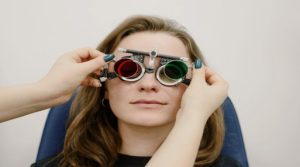
The LASIK assessment is essential, as it provides a detailed examination of the eye’s current health and vision stability. It’s important to note that not everyone is an ideal candidate for LASIK, making this assessment a critical tool to prevent complications and ensure effectiveness. During this evaluation, healthcare professionals review various factors, including corneal thickness, refractive errors, pupil size, and overall eye health. This comprehensive check-up helps to mitigate risks and tailor the surgical approach to individual needs.
Components of the LASIK Assessment
Corneal Thickness and Eye Health
One of the primary checks during a LASIK assessment is measuring the corneal thickness. LASIK involves reshaping the cornea to improve the way light enters the eye. Therefore, a certain level of corneal thickness is necessary to avoid compromising corneal integrity post-surgery.
In addition to corneal thickness, the overall health of the eye is rigorously examined. Conditions such as severe dry eye syndrome, keratoconus, or glaucoma can disqualify a patient from undergoing LASIK. Eye health must be optimal to ensure that healing and recovery proceed smoothly after the procedure.
Refractive Error Evaluation
The degree of refractive error is also evaluated. LASIK is ideal for those with myopia, hyperopia, or astigmatism within a certain range. Individuals with extreme prescriptions may find better results with alternative refractive surgeries. Accurate measurement of refractive errors ensures the maximum benefit of surgery and avoids over or under-correction.
Pupil Size
Pupil size in low-light conditions is another parameter assessed during LASIK evaluation. Patients with large pupils may experience increased risks of post-surgical complications such as halos or glare in low light, hence requiring careful consideration and modifications in surgical planning.
Pre-Surgery Preparations and Advisory
Based on the LASIK assessment, specialists can provide detailed pre-operative guidance. Candidates may be advised to cease wearing contact lenses weeks before surgery to allow the cornea to return to its natural shape. Furthermore, patients are briefed on what to expect during and after the surgery. Understanding potential risks and benefits allows for informed consent and realistic expectations.
Advanced Technologies in LASIK Assessments
Technological advancements have revolutionised LASIK assessments. Wavefront technology, for instance, is used to create a detailed map of the eye, allowing for an even more customised and precise vision correction. Additionally, optical coherence tomography (OCT) provides three-dimensional imaging of the cornea, offering insights into structural integrity and potential abnormalities, which are critical for tailoring the surgical procedure to an individual’s unique anatomy.
Implications of Lifestyle and Age
Candidate suitability extends beyond the physiological parameters assessed during screenings. Lifestyle factors and age also play a significant role. For athletes and individuals with active lifestyles, the stability and safety provided by LASIK can be particularly beneficial. However, the demands of their lifestyle may necessitate specific precautions pre and post-surgery.
Age is another vital consideration. While there is no set age limit for LASIK, eye prescriptions need to be stable for at least a year to ensure lasting results, often implying suitability from late teens onwards. Certain age-related vision issues, like presbyopia, may require alternative treatments, and these considerations are addressed during the LASIK assessment.
The Critical Nature of Follow-up Appointments
Post-operative care and follow-up appointments are essential components of the LASIK process. Regular monitoring ensures that the eyes heal correctly and that any issues, such as infections or flap complications, are promptly addressed. Commitment to follow-up appointments contributes to the success and longevity of the vision correction achieved through LASIK.
Common Misconceptions and Clarifications
Misunderstandings about LASIK assessments often lead to unwarranted concerns or false assumptions about the procedure. Some may worry about pain during assessments or surgery, but modern techniques ensure minimal discomfort and use local anaesthetics. Additionally, the fear of losing vision is largely unfounded, with high success rates and meticulous pre-surgical evaluations designed to avert such risks.
The Role of Professional Guidance
The intricacies involved in LASIK assessments highlight the need for professional guidance throughout the process. Whether clarifying doubts or understanding potential outcomes, specialised clinics equipped with experienced professionals and advanced technology play a pivotal role. If you are contemplating this life-altering procedure, engaging in a “LASIK Assessment & Eye Screening by LSC Eye Clinic” is an advisable first step.
Understanding that LASIK entails both medical and personal considerations emphasises why comprehensive assessments cannot be overstated. With technology advancing rapidly and risks decreasing, more people can find a path to unhampered vision therapy through appropriate LASIK screenings and surgeries.
