
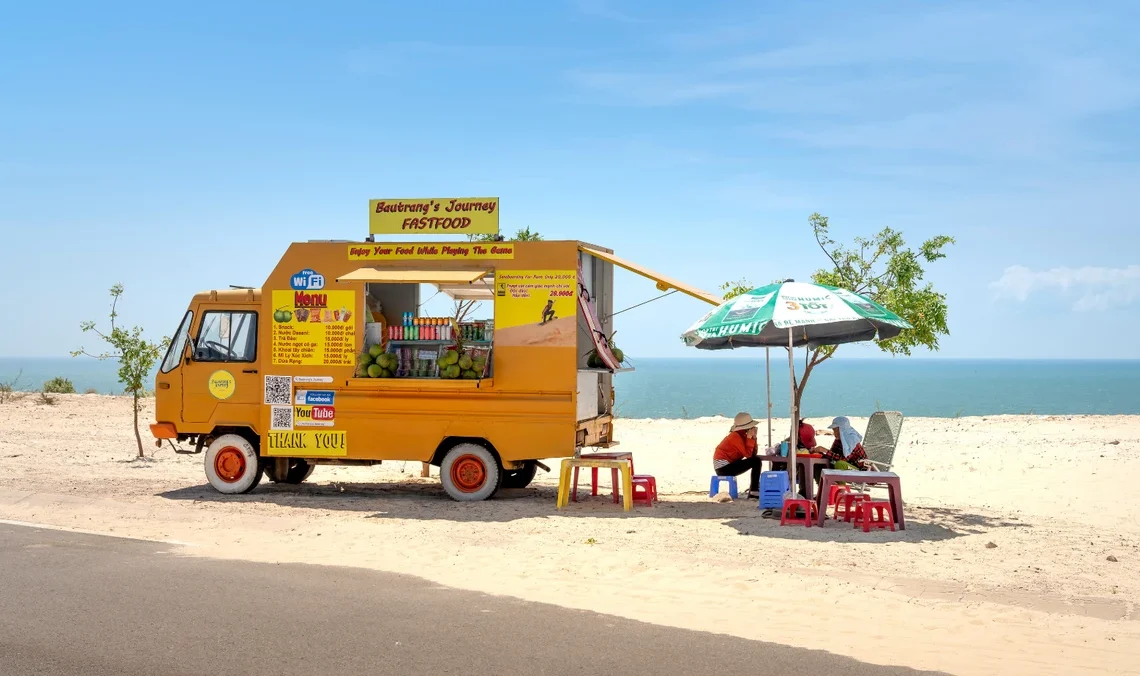
Florida’s food scene has always been scrappy and fast-moving – pop-ups at breweries, chef collabs in borrowed kitchens, trucks that become cult favorites overnight. But there’s a noticeable shift right now: more of those concepts are planting roots and opening permanent doors. This isn’t just about ambition; it’s about conditions on the ground in the Sunshine State. Visitor volume is up, seasons are stretching, and operators want tighter control over consistency, allergens, and the guest experience when the weather swings.
1) Reliable foot traffic is back (and bigger), making leases pencil out
Pop-ups thrive when demand is spiky; storefronts depend on dependable. The simplest reason we’re seeing more permanent addresses is that Florida’s foot traffic has become more predictable again, thanks in part to tourism holding near all-time highs. You still need a distinctive hook – menu clarity, a line-moving service model, and strong unit economics – but greater certainty around daily visits reduces the risk of “dead days” that used to punish fixed locations. State figures recently confirmed a record number of visitors in Q2 2025, with 34.4 million travelers and overseas visitation up double-digits year-over-year – exactly the sort of tide that lifts counters and cafés, not just carts.
A second, quieter factor: when you move from ad-hoc locations to a consistent address, your regulars don’t have to hunt you down on Instagram stories or wonder which farmers market you made it to. That consistency changes purchasing behavior – families plan routines, office workers loop you into their lunch circuit, and weekenders return before they fly out. This is where example concepts matter. As one illustration, Banana Daddy in Miami has been signaling a shift toward a permanent home base, with public posts about a Midtown storefront; it’s the same brand DNA (scratch-made soft-serve and sundaes) but anchored to a reliable address so fans can actually show up without guesswork.
2) Heat is now a year-round operational variable, so interiors matter more
Weather has always shaped Florida menus, but operators increasingly talk like building engineers: shade, queue design, hold times, and HVAC. The reason is straightforward – longer summers. Climate analyses show Miami’s “summer-like” season has stretched by weeks compared with the 1970s. That doesn’t just make outdoor service sweaty; it affects product quality, staff comfort, equipment strain, and even insurance and spoilage considerations. In practical terms, a storefront lets teams standardize temperature control, add backup freezers or glycol units, and stage indoor lines to keep throughput from melting in the sun. And yes, the brand presentation – lighting, seating, sight lines – stays consistent, which matters when social posts and word-of-mouth are doing the heavy marketing. For operators, four walls are increasingly a quality-assurance tool, not just a vibe.
Take a high-sugar dessert on a blazing September afternoon (which, these days, still behaves like mid-July): textures shift faster, cones sag, toppings slide, and the “Instagram-ready” moment collapses into a napkin triage. Indoors, the same item holds its shape, staff can pre-stage garnishes, and ticket times stabilize. Multiply that across a hundred orders and you’re not just protecting guest experience – you’re protecting margins. Storefronts also make it feasible to test micro-tweaks, like altering overrun, swapping base formulas seasonally, or shifting the cold chain by an extra prep fridge, none of which is practical in a parking-lot setup during a heat burst. It’s not dramatic, but it’s decisive.
3) Allergen-aware menus need tighter control – and brick-and-mortar gives it
Florida’s audience is a mosaic: locals, snowbirds, cruise spillover, conference crowds, families juggling allergies, and health-driven eaters looking for simple labels. That mix means a single “we can’t accommodate today” can cost more than one sale; it can cost a whole office’s weekly routine. In a fixed space, operators can build clear prep lines, install color-coded tools, and train staff against one layout instead of fifteen. They can also publish consistent allergen information and keep it current – a relief for parents and a logistics win for the team. Concepts that grew up in mobile form often already trimmed their ingredient lists out of necessity; the storefront stage lets them double-down on cross-contact controls, swap in dedicated storage, or run small-batch tests without the chaos of hunt-and-peck venues.
There’s another benefit: consistent training and repetition. Temporary setups force constant improvisation – different power, different sink access, varied hand-wash compliance, “which side is coldest today?” A single kitchen removes a lot of those variables. The result for guests is simple: they trust the product more. And trusted products lead to bigger parties choosing you as the default “everyone can eat here” stop, which, in Florida’s event-heavy calendar, compounds pretty fast.
4) Brand equity grows faster when fans can reliably find (and share) you
It’s easy to romanticize the pop-up chase – blink-and-you-miss-it menus, text-to-unlock drops – but many Florida diners just want a sure thing after the beach. Storefronts become landmarks: a place you recommend to visiting family, the spot your kids remember by color and countertop, the dessert that shows up in a hundred vacation reels. That repeatability is brand equity, and it’s hard to build when you’re in a different parking lot every Saturday. The state’s tourism numbers add fuel to this – more travelers equals more first-time brand impressions, which convert better when a Google Map pin exists and the hours don’t shift weekly. Again, this dynamic is statewide, from Gulf Coast day-trippers to Central Florida convention traffic, and it’s visible in the analytics of any operator who’s opened their doors near high-flow corridors.
The ripple effects touch other local businesses, too. A permanent dessert shop may partner with nearby coffee bars for cross-promos, build midweek “locals nights,” or plug into neighborhood associations. Even travel content ecosystems benefit; readers planning routes along the Panhandle often triangulate where to stop for treats between beaches and boardwalks. If you’re navigating Florida – mapping a road-trip and toggling between Destin, Okaloosa, or lesser-known stretches, guides like give a sense of where the action clusters – and where a quick sugar stop actually fits the day. A storefront gives those planners a fixed point to pin, and pins turn into visits, photos, and, if the product nails it, ritual.
5) Operations: cost control, staffing, and line speed all get saner indoors
The unglamorous truth: brick-and-mortar can simplify the ugly parts. Labor scheduling is easier when weather is less of a coin flip. Deliveries and storage waste drop when there’s a walk-in and predictable receiving. Equipment maintenance is proactive instead of “what broke in transit.” And speed of service – arguably the biggest lever for unit economics in high-volume dessert/snack formats – usually improves in a purpose-built line with elbow room and fixed utilities. For Florida operators, these tweaks matter during tourism surges (spring break, holiday weeks, cruise cycles) when a slow line equals lost revenue and bad reviews amplified by the same visitor volume that’s supposed to be your tailwind. With four walls, you can run honest stress tests before the rush hits.
Let’s be fair: leases bring their own headaches – tenant-improvement costs, code inspections, rent escalations, and the constant discipline of keeping a crew sharp Monday through Thursday, not just weekends. But as climate and crowds reshape the playing field here, more founders are deciding those headaches are the manageable kind. They buy control in exchange for rent, then use that control to tighten the experience, cut waste, and convert first-timers into Friday-night regulars. That’s not hype; it’s just operations.
